

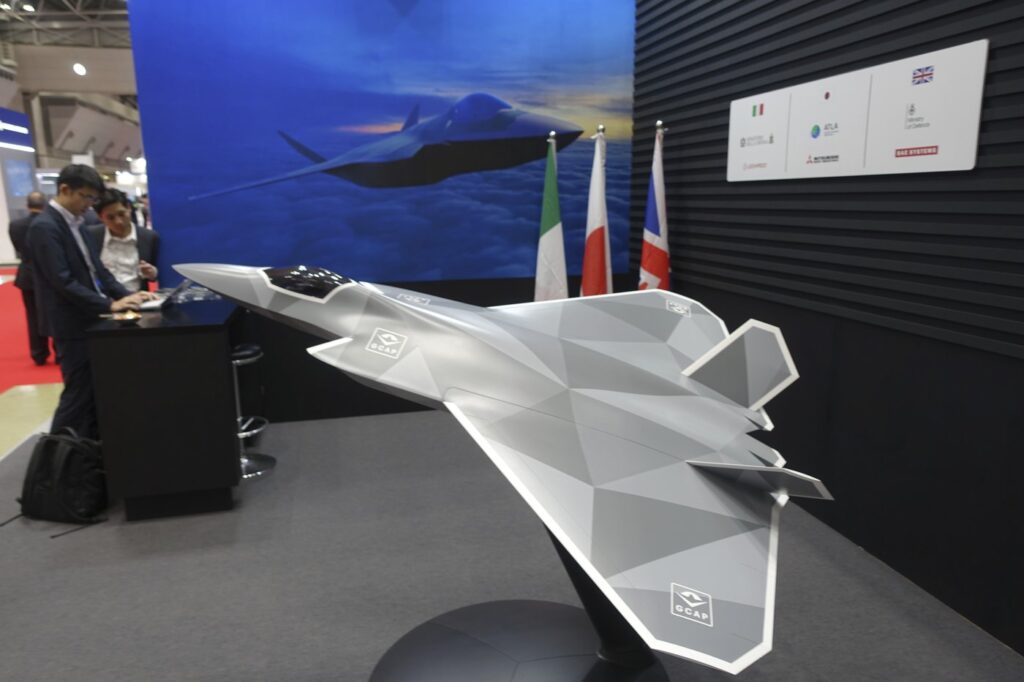
OTTAWA – This week, Canada is expected to engage in a multinational program aiming to develop a next-generation fighter jet, although it will not participate as a full member of the initiative.
For several months, international news outlets have reported on Canada's anticipated involvement in the Global Combat Air Program (GCAP), a collaborative effort led by the United Kingdom, Japan, and Italy to produce a sixth-generation fighter aircraft. The anticipated collaboration comes as part of Canada's broader defense strategy amidst evolving global security challenges.
Sources indicate that Canada will likely pursue observer status in the program, which entails gaining access to internal information regarding the GCAP. This status will enable Canadian officials to closely monitor developments in the fighter program and assess the feasibility of a more formal involvement in the future. Such access is crucial as it positions Canada to make informed decisions regarding its defense capabilities without committing extensive resources at this stage.
Several prominent Canadian cabinet ministers are currently present at the biennial Farnborough Air Show in the United Kingdom, which is a significant venue for aerospace and defense announcements. Speculation suggests that an official announcement regarding Canada’s involvement in the fighter jet program could be made on Tuesday, generating considerable interest in both defense and aerospace sectors.
Canadian Defence Minister David McGuinty's office has remained tight-lipped regarding any official comments or confirmations about the program. However, during a previous visit to Japan in the preceding month, McGuinty expressed to reporters that Canada is “anxious to learn more about” the fighter program. He discussed this topic in conversations with Japan's defense minister, indicating that the Canadian government is keenly interested in staying abreast of developments in the program.
As Canada navigates its defense procurement strategy, the potential participation in the Global Combat Air Program reflects a broader commitment to collaborate with key allies in order to enhance military capabilities. This partnership is particularly significant as countries around the globe seek to develop advanced technologies and maintain strategic advantage in aerial combat.
In conclusion, as Canada prepares to engage with the GCAP through observer status, it indicates a proactive approach to understanding and potentially integrating cutting-edge defense technology in its military strategy. The developments at the Farnborough Air Show will likely shed more light on Canada’s future steps in this collaborative aviation initiative.








