

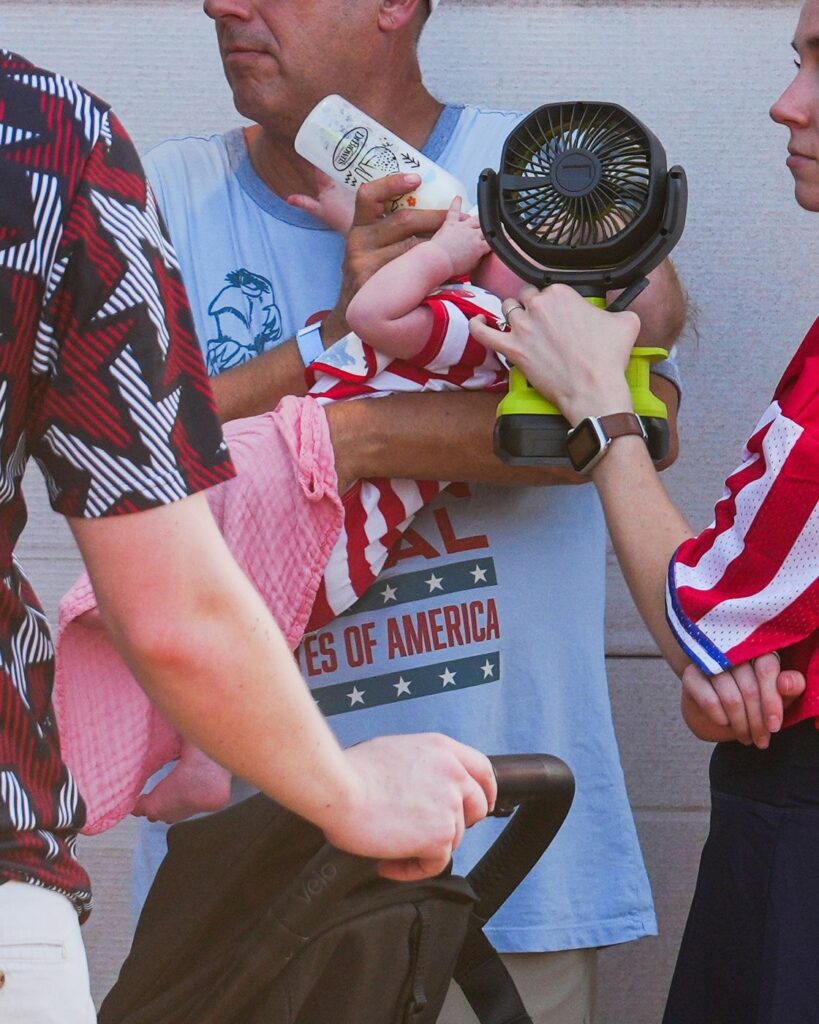
Infants, toddlers, and young children require outdoor activity to develop strong bodies and minds. However, they also need extra precautions when exposed to heat. This summer brings heightened concerns for parents regarding the duration of outdoor play, signs of well-being, and activities to avoid in extreme temperatures. Human-caused climate change has led to longer and more intense heat waves, making it essential for caregivers to be vigilant about heat-related illnesses in children, particularly in regions experiencing severe heat conditions.
Dr. Katherine Williamson, a pediatrician at Rady Children’s Health in Orange, California, emphasized the increasing risk posed by hot weather. “We talk about drowning and choking with toddlers, and now we’re starting to add in heat,” she stated, underscoring the growing need to address heat as a potential risk for young children.
Children are more vulnerable to heat-related illnesses due to their physiological characteristics. They sweat less than adults and possess a higher metabolism that leads to quicker overheating. Furthermore, their higher surface area-to-mass ratio means they absorb heat more readily. Since kids generally spend more time outdoors than adults, parents must be on alert for signs of heat illness.
Indicators of dehydration in infants may include a lack of tears or fewer wet diapers. To ensure proper hydration, parents should feed infants smaller quantities of fluids more frequently. Symptoms such as fatigue and flushed skin might suggest that a child needs a break to cool down. Additionally, Dr. Williamson pointed out that increased irritability in children can be a sign that they are overheating and require immediate attention.
To keep children safe in hot weather, experts recommend several critical tips. Parents should avoid outdoor activities during the hottest parts of the day. Dressing children in loose, light-colored clothing is advisable, as is the application of sunscreen to protect delicate skin. Providing plenty of fluids is essential, and snack options like watermelon and strawberries, which contain high water content, can also help keep children hydrated.
Dr. Debra Langlois, a pediatrician at the University of Michigan Health C.S. Mott Children’s Hospital, advises that while spending time outdoors is important, caregivers should limit exposure to extreme heat. Children should not remain indoors all the time, but caution is necessary.
One common misconception involves shielding strollers with blankets or other covers to protect children from the sun. However, this practice can trap heat and hinder air circulation, making it even hotter inside the stroller. Instead, using a stroller’s built-in canopy for shade is recommended. Moreover, parents should regularly check metal parts of the stroller that might heat up and potentially cause burns.
Another critical caution is never leaving children in cars, even if parked in the shade with windows open. Car interiors can heat up dramatically within a short period, posing a significant risk of heat stroke. According to the National Highway Traffic Safety Administration, 31 children died from heat-related incidents in vehicles in 2025. To prevent this tragedy, caregivers can leave a purse or personal item in the back seat as a reminder or place a stuffed animal in the passenger seat to avoid forgetting a child inside.
When returning to a parked car on hot days, it is crucial to check that the metal parts of the car seat are not too hot for a child. For added comfort, using a sunshade can help maintain cooler interior temperatures, and activating the air conditioning beforehand is recommended for immediate relief. Experts also suggest opening windows for 10 to 20 seconds while running the air conditioning to cool down the car quickly.








