

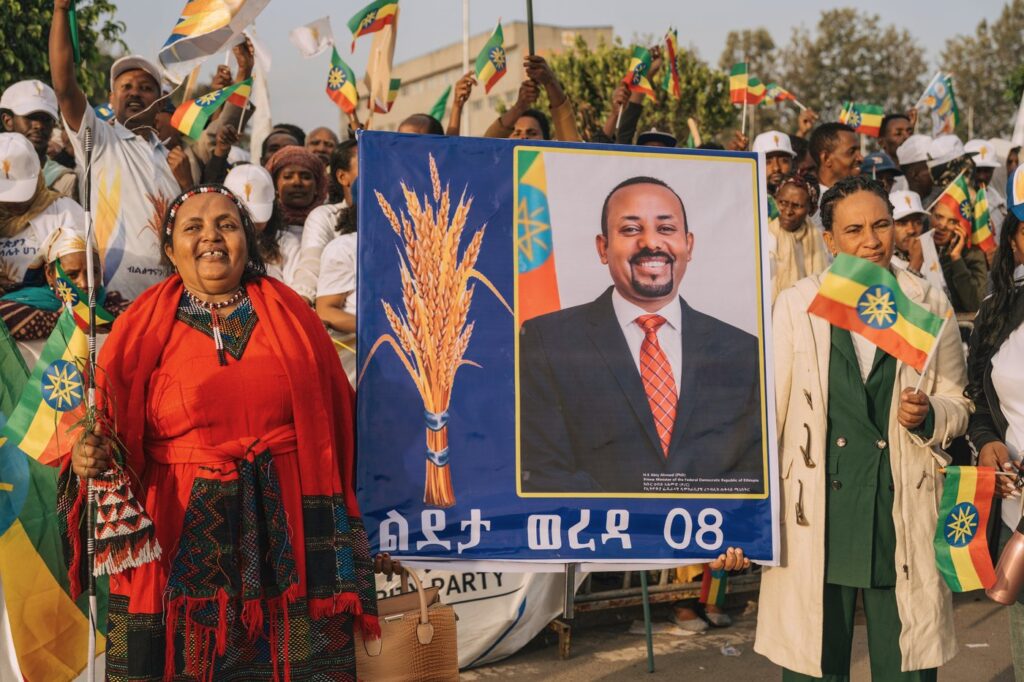
ADDIS ABABA, Ethiopia (AP) — Ethiopia is gearing up for elections on Monday, where Prime Minister Abiy Ahmed's Prosperity Party is anticipated to secure a dominant victory amid a fragmented opposition landscape. The ruling party currently holds more than 500 seats in the House of Representatives, and is expected to garner enough votes to allow Abiy to continue his tenure for another five years.
Approximately 50 million of Ethiopia’s 130 million population are projected to cast their ballots for House of Representatives members, although insecurity in populous regions like Amhara and Oromia may hinder voter turnout. The electoral system permits voters to choose their representatives, who subsequently elect a prime minister. Additionally, citizens will have the opportunity to vote for members of local regional government councils.
This election cycle highlights themes of national reconciliation, especially following the conflicts in regions such as Tigray, Oromia, and Amhara. The government has also emphasized development, pledging to undertake significant projects. Notably, former Kenyan President Uhuru Kenyatta is leading a 73-member observation team from the African Union, stressing the importance of peaceful elections given Ethiopia's role as the host of the AU headquarters.
Despite Abiy’s earlier commitments to democratization, his administration faces scrutiny over numerous accusations of human rights violations against critics and journalists. The country has endured immense turmoil during Abiy's leadership, particularly the Tigray war, which resulted in hundreds of thousands of casualties following clashes between federal forces and regional troops. A peace agreement, signed in November 2022, remains fragile amid ongoing tensions.
Abiy garnered international recognition when he was awarded the Nobel Peace Prize in 2019 for resolving a long-standing conflict with Eritrea. However, relations between the two countries have soured recently, with Ethiopia alleging Eritrean support for destabilizing rebel factions. This alarming backdrop raises fears of potential conflicts spilling over, particularly in the Tigray region, which has experienced significant humanitarian crises exacerbated by famine and disputes over resource allocation from the central government.
The Tigray People’s Liberation Front, the ruling party in Tigray, has been banned, and the region will not participate in this national election, further marginalizing it amid ongoing humanitarian issues. Tigray has not had federal representation for the past six years. Observers predict that this election may be more credible due to "technological advancements" and heightened public awareness. Yet, some opposition groups argue that the playing field favors the ruling party significantly.
Opposition leader Mistresilasie Tamerat, head of the Ethiopian People’s Revolutionary Party and the youngest candidate in this election, criticized the electoral process as "far from genuine and democratic," asserting that the ruling party holds an unfair advantage that hampers their ability to engage effectively with constituents. Eyoel Solomon, representing the main opposition Ezema party, has called for an end to identity-based politics amidst rising ethnic tensions and violence in the country.
In Addis Ababa, campaigning has been subdued with a noticeable heavy military presence in the city. Despite the general public discourse centered on the forthcoming vote, few traditional campaign activities, such as rallies and door-to-door outreach, have taken place. The electoral authority has designated Monday as a national holiday to facilitate participation, closing government offices to encourage citizen voting.








