

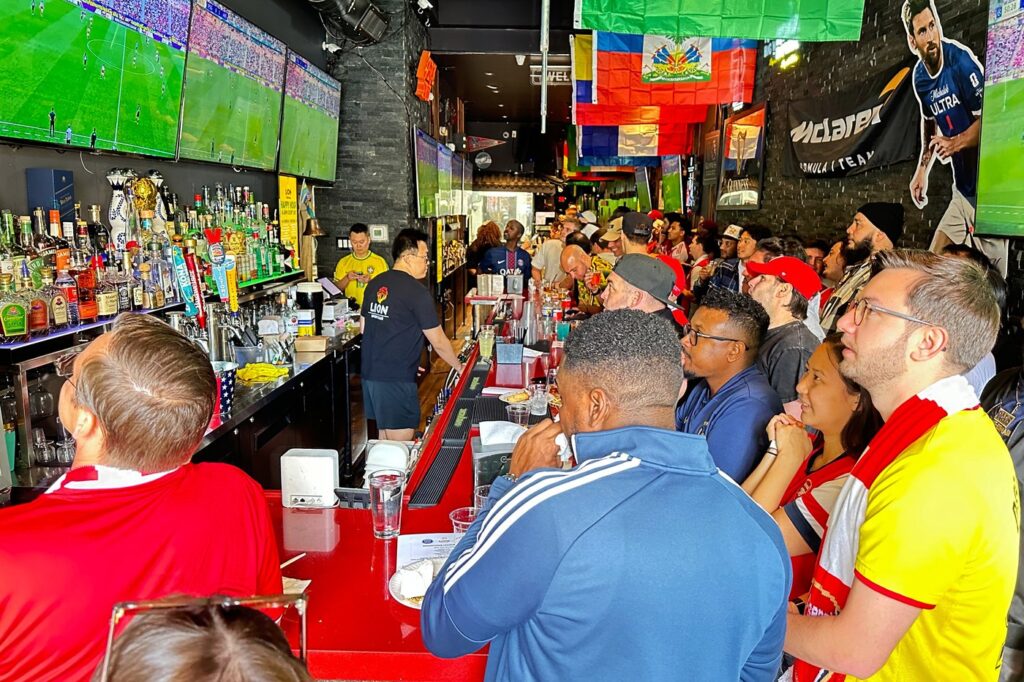
In an effort to enhance the experience for soccer fans during the upcoming FIFA World Cup, a growing number of U.S. cities are extending bar and restaurant hours. This move comes as state leaders aim to support local businesses and provide better opportunities for fans, particularly those who may not be able to afford tickets to the matches. The extended hours also represent a last-ditch effort to stimulate sales, as expectations for the economic benefits of the World Cup have become less optimistic.
So far, states such as Kansas, Missouri, New Jersey, Pennsylvania, Rhode Island, and Washington—either hosting World Cup matches or located nearby—have approved various measures to extend alcohol sales during this global sporting event. Additional proposals are currently under consideration in New York and Massachusetts. As a result of these approvals, Philadelphia bars can remain open until 4 a.m., while some establishments in Kansas City may operate until 5 a.m.
While the extended hours are contingent on municipal approvals and businesses are not mandated to remain open late, the hospitality industry welcomes these options amidst persistent challenges related to declining sales and inflation. Mark Prinzinger, the owner of Lion Sports Bar in Philadelphia, has embraced the change by hiring extra staff, streamlining menus, and planning late-night programming to cater to soccer enthusiasts. He emphasizes the communal spirit of the World Cup, stating, “People want to have a beer with other soccer fans, and the great thing about the World Cup is that it brings people together from all over the world to watch a sport that everybody loves.”
During the World Cup and the America 250 anniversary celebrations in Pennsylvania from June 11 to July 20, restaurants and bars in the state will be permitted to extend their closing times from 2 a.m. to 4 a.m. Governor Josh Shapiro illustrated his support for the legislation by sharing a video of himself opening a beer, encouraging Philadelphia to celebrate responsibly.
Despite bipartisan support for the new hours, some critics have voiced concerns regarding public safety and the potential strain on law enforcement. Kansas City Mayor Quinton Lucas had initially expressed reservations, suggesting that operating hours until 5 a.m. might be excessive. However, he eventually supported a plan that allows for bars and restaurants to remain open until 3 a.m., with provisions for certain establishments to operate until 5 a.m. upon submitting a security plan to local authorities.
In Rhode Island, legislators are considering extending alcohol sales to 3 a.m. and closing times to 4 a.m., as the current last call in the state is 1 a.m., with some exceptions in Providence. Rep. Teresa Tanzi acknowledged that not all patrons will be excessive drinkers, highlighting that families might simply seek a casual dining experience while enjoying a game.
The late-night alcohol sales extension is not unique to the U.S.; similar measures have been taken in England and Wales, where pubs can stay open until 2 a.m. during matches involving English or Scottish teams. In Scotland, local authorities have the discretion to allow pubs to remain open for 30 minutes after matches conclude.
However, the actual demand for late-night food and drink during the World Cup remains uncertain. According to David Henkes, a senior principal at Technomic, consumer behavior has shifted significantly since the COVID-19 pandemic, resulting in earlier outings and decreased overall spending. He noted the current challenges of staying open late due to labor shortages and questioned whether the potential revenue would be sufficient for many businesses to justify these extended hours.








