

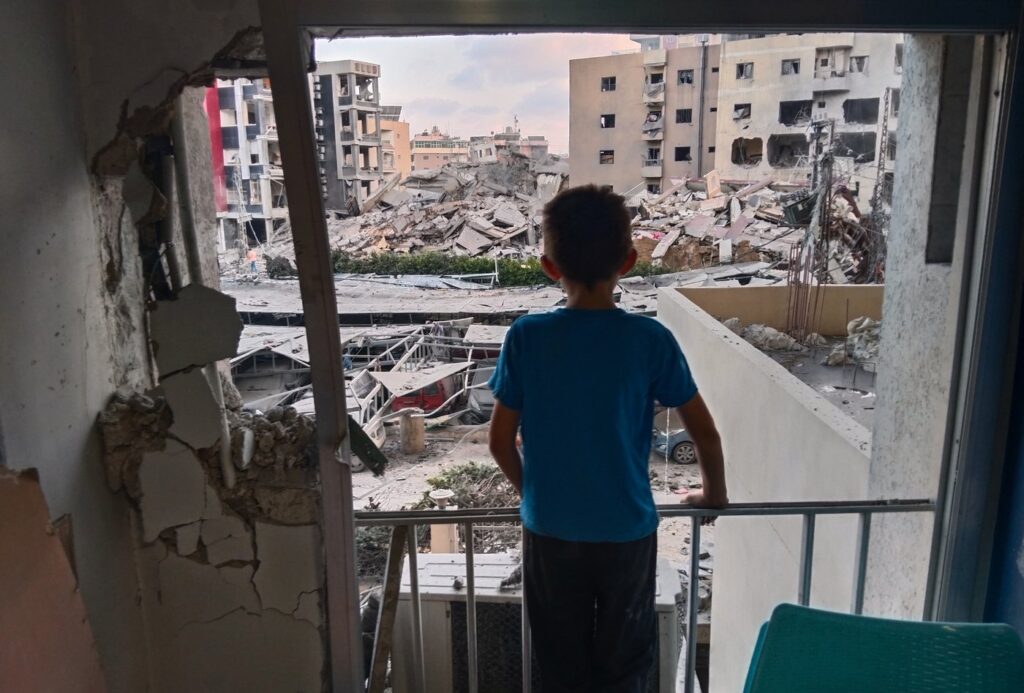
On June 1, 2026, Israel conducted an airstrike in the Lebanese port city of Tyre, leading to significant destruction at the Jabal Amel Hospital. This attack has elicited a wave of fear among residents in the Dahiyeh area of Beirut, as Israel issued warnings of further strikes should Hezbollah continue its attacks on Israeli communities. The airstrike not only destroyed adjacent buildings but also severely damaged the hospital, impacting the availability of medical services in the area.
The Jabal Amel Hospital, a crucial facility in southern Lebanon, experienced heavy damage following the strike. Images from the scene show the aftermath of the attack, with shattered windows and debris strewn across the hospital grounds. Patients were seen navigating through damaged areas of the hospital, specifically in locations like the labs and patient rooms. The airstrike highlighted the risks faced by medical facilities in conflict zones, raising concerns about the provision of healthcare amidst ongoing violence.
In the wake of the airstrike, the situation in the Dahiyeh region of Beirut prompted many residents to flee the area. People rushed to evacuate their homes and seek safety elsewhere, triggered by Israel's threat to conduct further bombings if Hezbollah escalates its attacks. Reports from the ground indicate that traffic congestion increased significantly as families attempted to leave the southern suburbs, creating a chaotic scene as individuals sought refuge in safer locations.
The airstrike on Tyre is indicative of the ongoing tensions between Israel and Hezbollah, which have frequently resulted in military exchanges over the years. As one of the most sensitive areas in the ongoing Israel-Lebanon conflict, Tyre remains a focal point for military actions, further complicating the humanitarian situation. Residents of both Tyre and surrounding areas now grapple with the immediate consequences of the airstrike, not only in terms of safety but also concerning access to vital services.
The images captured following the airstrike depict the dire conditions faced by both the hospital staff and patients. For instance, a nurse was seen looking through a shattered window, while others documented the damage within the hospital. The attack serves as a grim reminder of the precarious situation for medical personnel working in conflict zones, where facilities are often at risk of being targeted due to their proximity to military targets.
As regional tensions intensify, the humanitarian implications of such military actions weigh heavily on the civilian population. The destruction of the Jabal Amel Hospital exemplifies the broader impact of the conflict on health services in Lebanon. In light of this incident, concerns regarding the protection of civilians during military operations are increasingly prominent, raising questions about international humanitarian law and the responsibility of warring parties to safeguard medical facilities and personnel.
The ongoing situation necessitates international attention and response, as communities affected by the violence face enormous challenges. Families forced to flee their homes are likely to require immediate assistance and support, heightening the need for humanitarian aid in affected regions. The cycle of violence between Israel and Hezbollah continues to place immense strain on the Lebanese populace, exacerbating an already complex humanitarian crisis.








