

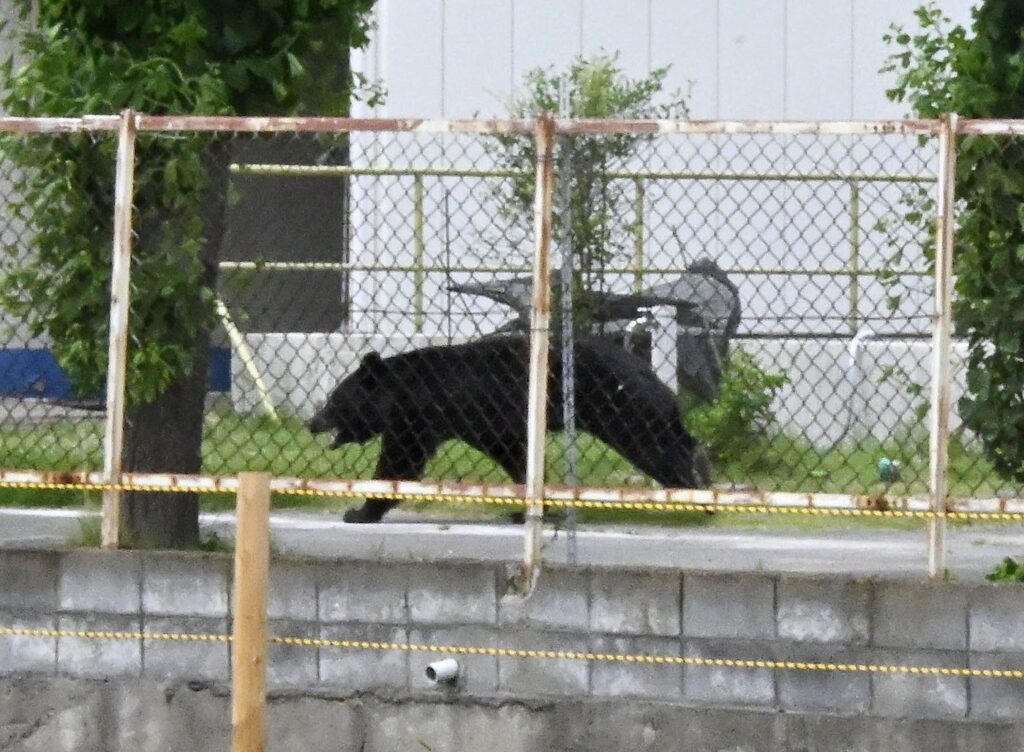
TOKYO — A recent bear attack in a residential area of Fukushima, Japan, has left four people injured, highlighting the concerning trend of increasing bear-human encounters in the region. This alarming incident took place on Tuesday when a black bear chased and attacked employees at the Fukushima Steel Works and a nearby company, underscoring the dangers posed by the growing bear population in Japan.
The Environment Ministry of Japan reported a staggering 13 fatalities due to bear attacks in 2025, which marked the highest number of deaths and attacks recorded in any single year. This surge in bear-related incidents can be attributed to the bears' encroachment into areas populated by humans, particularly in regions experiencing demographic declines, which have resulted in fewer individuals trained to manage wildlife effectively.
On the day of the recent attack, police and fire department officials quickly responded to an emergency call from the Fukushima Steel Works, which reported that a bear had attacked two of its employees. Security cameras captured alarming footage of the bear pursuing a man in his 20s, who was thrown to the ground as he attempted to escape. The bear then moved onto the factory grounds, injuring a second male employee in his 60s. In addition to these two cases, a third man in his 60s and an 80-year-old woman from the neighborhood were also attacked. Fortunately, while the three men sustained minor injuries, the woman suffered moderate injuries; none of the injuries were deemed life-threatening.
As of Tuesday afternoon, the bear had not yet been captured and was believed to still be within the confines of the second company’s compound, prompting the deployment of uniformed police officers equipped with long sticks to monitor the situation. Meanwhile, local schools, including Noda Elementary School, closed their doors and transitioned to online classes, urging students and parents to avoid non-essential outings for safety.
This bear attack has reignited fears among residents reminiscent of last year's similar incidents in Japan's northern Akita prefecture, where over 60 individuals were attacked by bears, leading to four fatalities. The growing bear population in areas with declining human inhabitants is increasingly becoming a public safety concern. As a proactive measure, the Japanese government has estimated the overall bear population to be approximately 57,800 and has introduced a comprehensive bear management strategy aimed at systematic culling. Under this initiative, the number of municipal bear control staff is set to triple to 2,500 within the next five years, and the inventory of bear traps will double.
In light of these events, bear sightings have also been reported in Tokyo's western suburbs, particularly in Okutama, which is known for its hiking trails. Park officials are taking steps to address the problem by setting up additional traps and promoting bear alerts through social media channels. A public awareness campaign has been intensified, advising hikers and mushroom foragers to heed notifications regarding bear sightings. They are encouraged to avoid outdoor activities during dawn and dusk when bears are most active.
The Environment Ministry has put forth guidelines for individuals who may come across a bear. Recommendations include remaining calm, moving slowly, and avoiding sudden movements, such as running. In the event of an attack, individuals are advised to protect themselves by lying face down, curling up, and covering their necks to reduce the risk of serious injury.








