

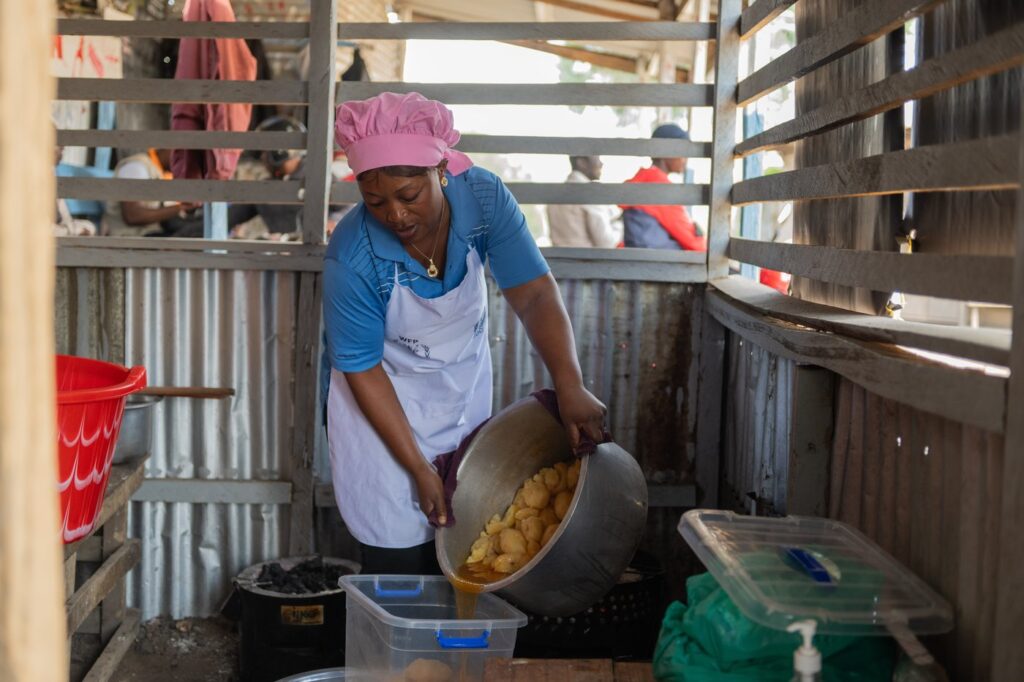
BUNIA, Congo (AP) – In the midst of the ongoing Ebola outbreak in eastern Congo, volunteer Arlette Basekawike plays a crucial role by preparing meals for patients and healthcare workers at the Evangelical Medical Center. With her hair covered by a pink bonnet, she dedicates her days to cooking nutritious meals, including porridge, omelets, and bread for breakfast, along with fish and fufu for lunch and dinner.
Basekawike emphasizes the importance of food in the treatment process, stating, “Even though the patients have this disease, they still feel better when they eat, and the doctors have the energy to treat the sick and give them medication.” Her approach is reminiscent of parental care, aiming to provide comfort through nourishment during a critical time of health crisis.
The outbreak, attributed to the rare Bundibugyo virus, began spreading in May and has exacerbated an already dire food crisis in the region. Armed conflicts have displaced millions, and the ongoing Ebola outbreak poses additional challenges to the local population. Olivier Nkakudulu, head of the World Food Program (WFP) in Ituri province, described the situation as a “crisis on top of a crisis,” highlighting the acute food insecurity faced by many in the region.
The WFP is struggling with financial constraints due to cuts from major funding sources, including the United States. These budget issues are affecting their operations and complicating efforts to contain the Ebola outbreak, which has drawn global attention as a health emergency. Nkakudulu stressed that the lack of funding might necessitate prioritizing some patients over others, risking inadequate resources for a region in desperate need.
Health workers are facing challenges not only from the outbreak but also from community resistance and attacks against them. The slow delivery of aid due to ongoing conflict complicates their efforts to manage the disease's spread. Despite these obstacles, the health teams have so far managed to address the nutritional needs of patients, serving 404 meals since the food assistance began on May 28, with 120 meals served recently through various health facilities.
As of now, the Ebola outbreak has resulted in at least 282 confirmed cases and 42 deaths, with suspected cases surpassing 1,000 across Ituri, North Kivu, and South Kivu provinces. The virus has also made its way into Uganda, prompting the closure of borders to contain the crisis. The Bundibugyo virus currently has no approved vaccine or treatment, with recent reports indicating that five individuals have successfully recovered from the disease.
The outbreak's scale has expanded from the initial three health zones to 22 as reported by Congo’s Ministry of Health. Nkakudulu warned that without more funding, the agency may struggle to meet the rising demands tied to the increasing number of Ebola cases.
In this challenging environment, volunteers like Basekawike remain essential, providing not just food, but also compassion and care to those suffering from the illness and to the health workers combating the outbreak, highlighting the critical intersection of nutrition and healthcare amidst a significant public health crisis.








