

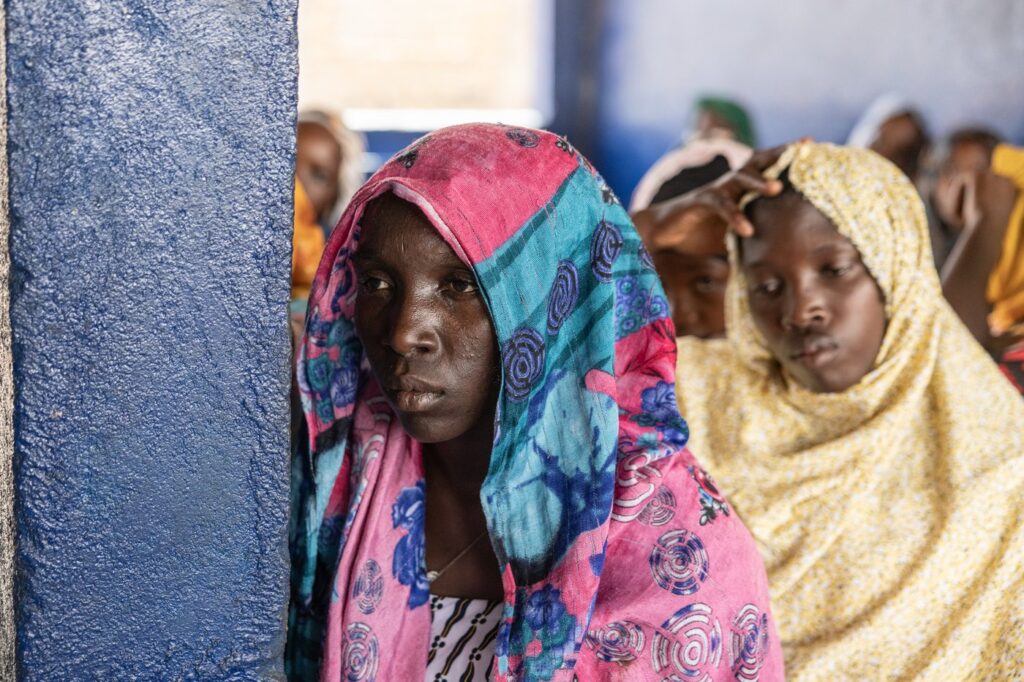
Pregnant women fleeing from Sudan to the Central African Republic (CAR) encounter significant health risks, stemming largely from an unstable healthcare system and the difficulties associated with displacement. In CAR, the maternal mortality rate is alarmingly high; women are 40 times more likely to die in childbirth compared to those in the United States. This stark statistic underscores the perilous situation faced by mothers-to-be in a nation grappling with ongoing conflict and limited resources.
Upon arrival in CAR, many of these women find themselves reliant on a fragile healthcare framework that has been further strained by recent cuts in humanitarian aid. The challenges are exacerbated for refugees as they adjust to a new and often chaotic environment while trying to secure medical care for themselves and their unborn children. The Birao District Hospital, among others, has seen a rise in the number of women seeking pre-natal consultations, yet the demand often outweighs the available resources.
Photographs from the Birao District Hospital capture the tense atmosphere within its walls. Women wait anxiously for their appointments, some dealing with complications such as malaria, which can have severe implications for both mother and child. The scenes paint a vivid picture of desperation as nurses and medical staff strive to provide care within a system that is insufficiently funded and overburdened.
The plight of women is made even more poignant by individual stories, such as that of Amna Adam Hessen, who experienced the heartbreak of a stillborn delivery. Emotional support and pain management services are critical, yet they are often in short supply. Several women, alongside their families, navigate the emotional and physical challenges of childbirth, with some resorting to giving birth on the streets due to a lack of facilities or timely medical attention.
Additionally, a visit to the Korsi Refugee Camp highlights the daily struggles faced by these women. Here, they perform necessary tasks such as fetching water while also caring for their newborns in a camp setting. One poignant image portrays Maude Ahmad Fadala, who gave birth on the street, cradling her baby within the camp. Such experiences reveal the harsh realities of displacement and underscore the urgent need for enhanced medical support, especially for vulnerable populations like pregnant women.
The healthcare landscape in CAR remains disheartening. With the depletion of resources, women endure long waits for essential medical services, including pre-natal consultations and post-natal care. The local pharmacy is a crucial service point, where pregnant women receive medications, and yet the supply is often precarious, reflecting the broader humanitarian crisis impacting the region.
As the situation in CAR continues to evolve due to ongoing conflicts and reduced international aid, the risks for pregnant women remain acute. The combination of inadequate healthcare facilities, high maternal mortality rates, and the trauma of displacement creates a calamitous scenario for mothers and their children. The international community's response to these challenges will play a vital role in determining the health and wellbeing of these vulnerable populations in the future.








