

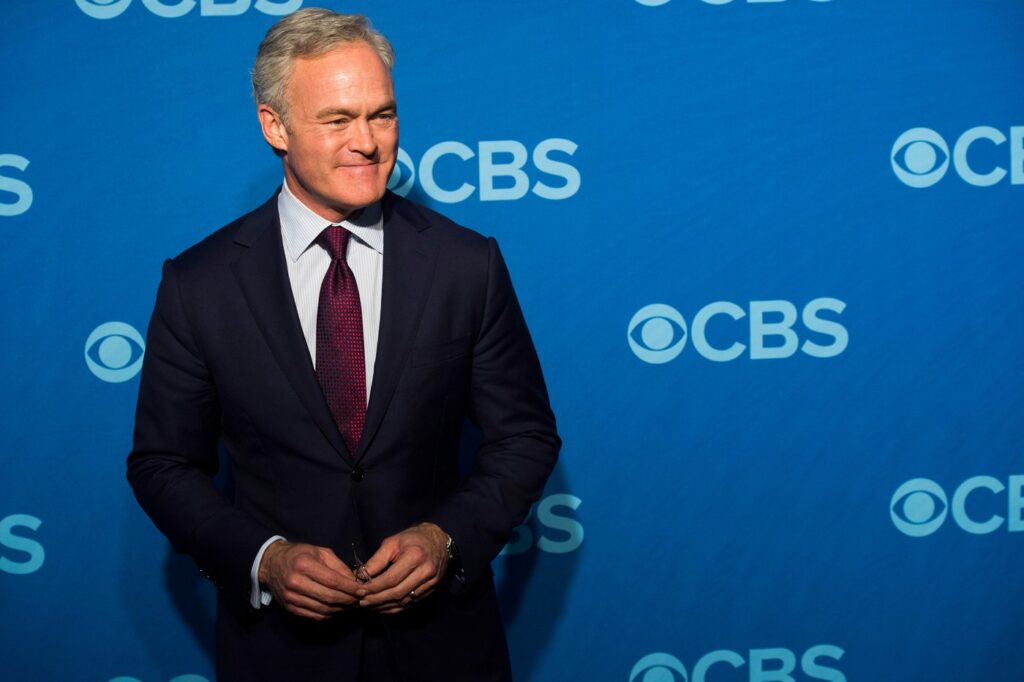
CBS News has taken the significant step of firing longtime “60 Minutes” correspondent Scott Pelley on Tuesday. This decision came just one day after Pelley reportedly criticized Editor-in-Chief Bari Weiss, stating she was “murdering the show” and questioning the qualifications of its new producer, Nick Bilton. This incident is indicative of the mounting turmoil at one of America's most influential television news programs and the news unit that oversees it.
Pelley voiced his concerns during a meeting on Monday, where he addressed the staff regarding Bilton, who was appointed by Weiss just a week earlier. Reports from the Status website indicate that Pelley expressed his dissatisfaction with the leadership of the program during this initial discussion with the new executive producer.
In a termination notice that was made available on Tuesday night, Bilton accused Pelley of executing an “ambush” against him during the meeting. The notice stated, “Yesterday, you hijacked my first meeting with staff to disparage me, my qualifications, and my intentions with remarkable incivility and contempt.” This direct criticism highlights the friction between the longtime correspondent and the new leadership.
Pelley Faces Accusations of Hostility
Pelley's agent did not provide an immediate comment on the developments as of Tuesday night. However, media correspondent Dylan Byers shared a statement on X, quoting Pelley as expressing concerns about being pressured into journalism that contained “falsehoods and bias.” In his statement, Pelley conveyed his gratitude for his time at CBS, saying, “I depart after 37 years at CBS with one emotion—a heart brimming with gratitude for the men and women of CBS News who encouraged and enriched my work, very often at the risk of their own lives. I pray for a day when those people and their ideals are honored again.”
Status claimed to have a recording of the contentious meeting, where Pelley reportedly challenged Bilton about the recent firings of Bilton’s predecessor, Tanya Simon, along with correspondents Sharyn Alfonsi and Cecilia Vega. Pelley allegedly remarked that Weiss was brought in with the intention of undermining the news outlet, asserting, “and she’s doing exactly that.”
In the dismissal letter, Bilton remarked on Pelley’s “performative display of hostility,” declaring that it demonstrated a lack of interest in contributing to the future success of “60 Minutes.” This instance of conflict follows a series of challenging periods for CBS News, especially since Bari Weiss took charge last year, and Pelley’s termination marks a continuation of this unsettling trend.
The controversies at CBS News have been exacerbated by Weiss’s memo to staff five days prior, wherein she indicated it was time for a “new approach” for “60 Minutes,” which has been the longest-running prime-time show since it first aired in 1968. Weiss and CBS News president Tom Cibrowski expressed their ambitions to shape the program to thrive in the 21st century. However, Pelley expressed fears that the journalistic integrity of the program, renowned for its investigative journalism and rigorous interviews, was under threat.
Scott Pelley has been a significant figure in broadcast journalism since he began working for CBS in 1989. He served as the chief White House Correspondent from 1997 to 1999 during the presidency of Bill Clinton and anchored “CBS Evening News” from 2011 to 2017. The implications of his firing spotlight the growing tensions and shifts at CBS News amid its quest for a new direction under Bari Weiss's leadership.








