

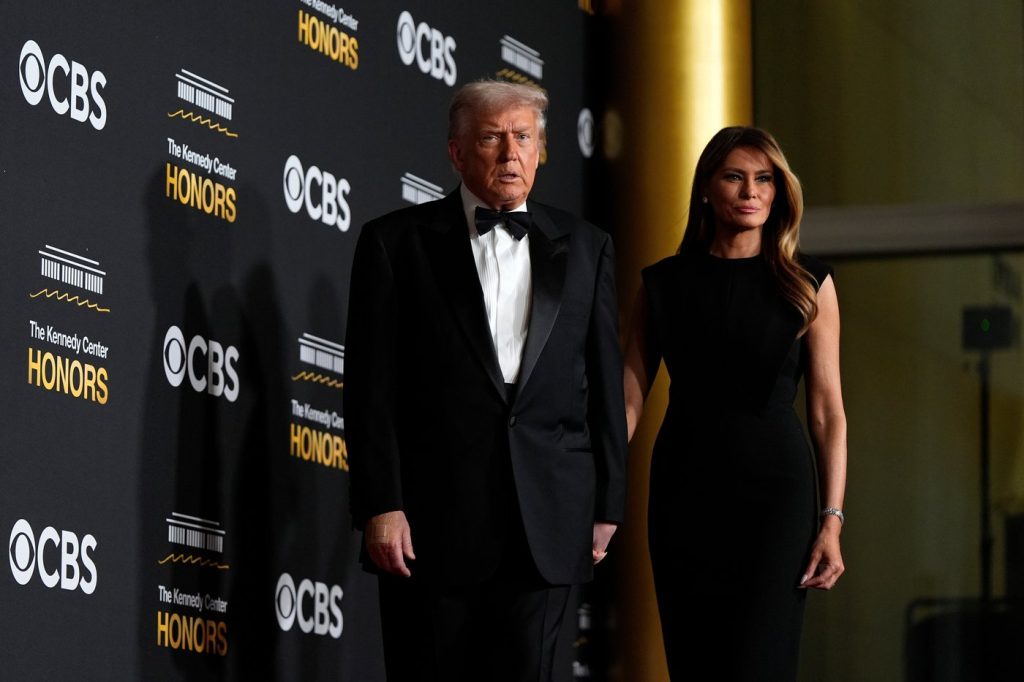
In a recent turn of events, President Donald Trump confirmed he would be the headlining act for the upcoming Great American State Fair, amidst a wave of performer withdrawals citing concerns that the event was too closely aligned with his presidency. This decision has clarified what was perceived as an attempt by Trump to regain the spotlight and control over a national celebration meant to commemorate America’s 250th anniversary.
Trump’s approach to hosting events has historically been about centering attention on himself, a tendency that has roots in his background as a reality television star and an entertainer. His decision to kick off the fair with a rally further underscores his desire to remain central in the spotlight, even steering national celebrations toward his personal brand. The fair is set to begin on June 25, 2026, just ahead of other notable events, including a UFC match scheduled for June 14 that Trump has linked to the anniversary celebrations as well.
Throughout history, various presidents have hosted large events, but Trump’s style is distinctive. While Andrew Jackson hosted an unruly reception during his inauguration in 1829 and Franklin D. Roosevelt relaxed with cocktails among friends at informal gatherings, Trump's version is more self-focused. He has embraced hosting since returning to the White House, actively planning events across his luxury properties, including Mar-a-Lago and locations in New Jersey and Virginia.
Despite concerns from critics that Trump may overshadow significant events meant to unify the country, White House spokesman Davis Ingle pointed out Trump’s extensive renovations to the White House as part of the anniversary celebrations. These renovations are part of a broader effort to enhance Washington's appeal during the historic semiquincentennial, which Ingle believes deserves national recognition.
Trump has found innovative ways to inject his likeness into the anniversary. The State Department is set to issue passports featuring his image, and officials have proposed a new $250 bill adorned with his likeness. Additionally, the U.S. Mint is producing a 24-karat gold commemorative coin with Trump’s portrait, echoing past practices of using commemorative coins for significant anniversaries like America's 150th in 1926 with President Calvin Coolidge.
In contrast, previous presidents such as Ulysses S. Grant and Gerald Ford approached national anniversaries with a focus on participation rather than self-aggrandizement. Ford inaugurated significant events during the bicentennial celebrations despite being embroiled in his re-election campaign. Observers note that while Ford sought to promote patriotism, Trump generally exhibits a disdain for traditional presidential norms, often veering into self-promotion instead of paying homage to the historical significance of the celebrations.
As Trump prepares to host the World Cup in 2026—a tournament jointly held with Canada and Mexico—he continues to extend his unique hosting style. Trump has established a federal task force for the World Cup, collected a peace prize from FIFA, and indicated his intention to present the tournament's trophy personally. His involvement in the World Cup draw further demonstrated his keen interest in being at the center of major events, a proposal that includes renaming the Kennedy Center after himself amidst ongoing legal challenges.
With a clear intent to ensure his personal brand remains prominent, Trump's actions stand in stark contrast to those of his predecessors who showcased a more collective spirit during such national festivities. Experts suggest that Trump’s inclination to dominate discussions around the anniversary reflects a broader trend of self-centered leadership, contrasting sharply with the ideals of unity and collective national pride that such commemorations typically embody.








