

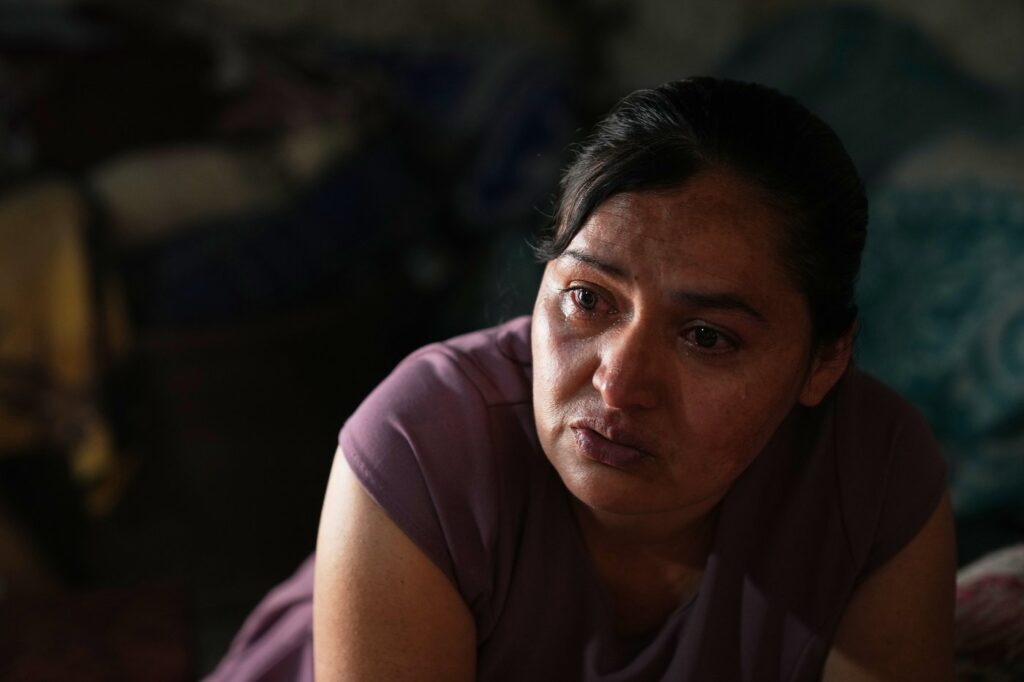
Eleven-year-old Ederson Galicia Alva felt a wave of panic wash over him as federal agents pulled his mother aside for questioning at the Miami airport immediately after they landed. His excitement about returning to school and playing with his friends faded, replaced by fears of being separated from her once more. This was not the first time Ederson faced governmental trauma; in 2018, when he was just three years old, he was forcibly separated from his mother at the U.S.-Mexico border due to the first Trump administration's family separation policy. The two were kept apart for months before being reunited through legal intervention. Despite gaining legal protections, the family faced a second separation in June of last year, which led them to Guatemala after spending almost a year in the indigenous highlands. Their return to Florida was made possible by a federal judge’s order that deemed the government’s actions illegal.
As an Associated Press investigation revealed, even years after the initial family separations caused global outrage, the government has continued to separate children from their families. Despite a landmark legal settlement aimed at preventing such actions, federal agents have reportedly re-separated dozens of children from their parents. Some parents found themselves detained or deported under aggressive immigration enforcement policies, despite being legally protected from removal. Lee Gelernt, an attorney for the American Civil Liberties Union and lead counsel in the lawsuit that halted the original separations, emphasized that children are being re-traumatized by these actions.
Under Trump's renewed anti-immigration push during his second term, family separations began to occur differently. In contrast to the earlier separations at the border, parents now face the dilemma of choosing between leaving their children behind in the U.S. upon arrest or deportation. Acting DHS spokesperson Lauren Bis stated that the agency complies with all court orders but maintains that enforcing immigration laws is essential for restoring order.
Ederson's mother, Mirsy Maricela Alva López, recounted the terror she felt during their second separation. After an initial four-and-a-half months of being confined in a government shelter in Arizona back in 2018, Ederson struggled to recognize his mother upon their reunion. Following the Biden administration's approval of a settlement to the class action suit, Ederson and his family received legal status and support to stay in the U.S. However, just months later, Alva López was arrested while working near Mar-a-Lago and was deported to Guatemala, causing the family to experience separation again.
After a journey back to Guatemala, Ederson and his family lived in significantly different conditions than in Florida, facing economic hardships and cultural barriers. Lacking friends and familiarity, Ederson felt isolated and struggled with his school performance. He repeatedly questioned his mother about her job-related absence, indicating the psychological toll the separations had taken on him.
Throughout the years, the ACLU has documented the lasting impact of the separations, reporting that over 11,800 families were affected by the initial policy. The most recent data indicates that some parents are still being detained and deported, even when it contradicts their legal protections. Additionally, family members with protected status have been subjected to wrongful deportations as recent as late last year, highlighting a continuing pattern of negligence by government agencies.
Amidst rising deportations in recent months, many separated families remain fearful of navigating the immigration bureaucracy, often unaware of their rights or opportunities for asylum. Meanwhile, the administration has not clarified whether a vital legal services contract for affected families will be renewed as impending deadlines loom for families needing to secure their legal status. Furthermore, support services that were initially promised have dwindled due to funding cuts and heightened restrictions during Trump's current term.
As families await reunions, the emotional and psychological scars of separation continue to weigh heavily. For Alva López, after being deported last year, the road to reunification with her children has been fraught with uncertainty and dread over another potential separation. Their return to the United States came with just two weeks of humanitarian parole, heightening Alva López's concerns about the continuation of their stay and the possible impending dread of another separation.








