

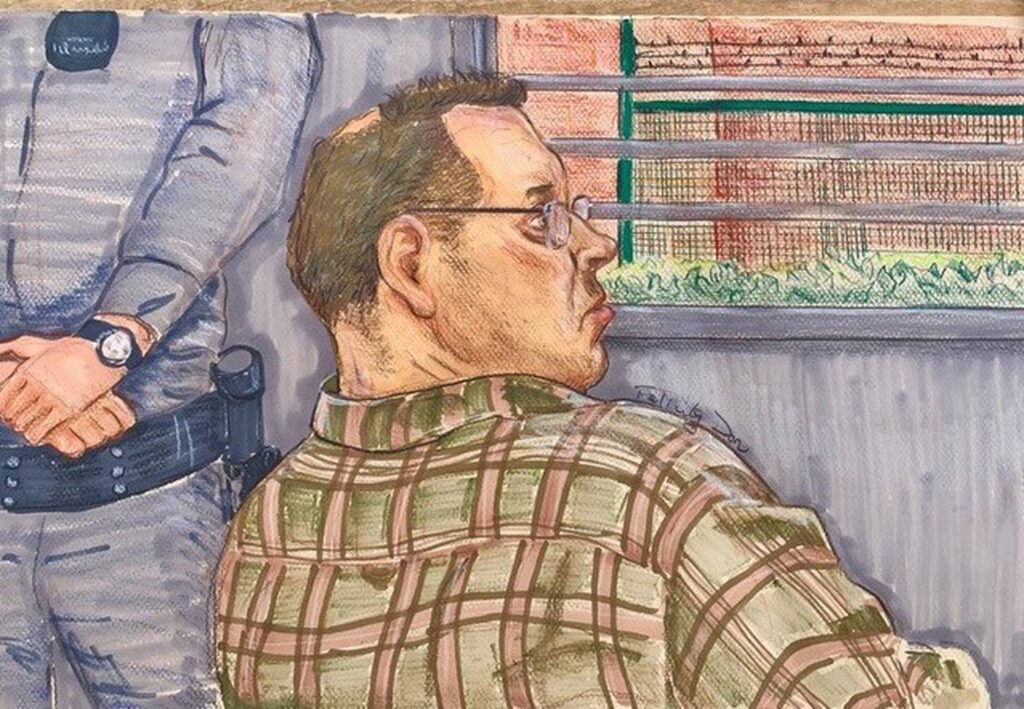
The British Columbia Review Board has made a significant decision regarding Allan Schoenborn, a man previously convicted of the tragic and brutal slayings of his three children. Chairperson Geneviève Boudreau announced that Schoenborn has been granted a conditional discharge, which comes with specific requirements aimed at ensuring public safety and supporting his treatment.
According to Boudreau, Schoenborn is mandated to attend a psychiatric clinic for ongoing treatment. Additionally, he is required to stay at the Forensic Psychiatric Hospital located in Coquitlam, British Columbia, should the board deem it necessary. This decision reflects the board's commitment to striking a balance between public safety and the rehabilitation needs of individuals who have been found not criminally responsible for their actions due to mental health issues.
The written disposition from Boudreau outlines various conditions that Schoenborn must adhere to. Notably, he is required to report any intimate relationships he enters into, maintain good behavior, and refrain from possessing or using any weapons or drugs. These stipulations serve to monitor Schoenborn's reintegration into society, ensuring that he does not pose a risk to himself or others.
In 2010, Schoenborn was found not criminally responsible for the heinous acts committed in 2008, which involved the stabbing and smothering of his three children, aged five, eight, and ten, in their home in Merritt, British Columbia. This ruling was based on the conclusion that Schoenborn was unable to understand the nature of his actions due to severe mental illness at the time of the offenses.
In a notable turn of events, Schoenborn legally changed his name to Ken John Johnson in May 2021. This action prompted a legislative response from the B.C. government, which introduced new laws aimed at preventing individuals with serious criminal convictions from changing their names. This legislation reflects broader societal concerns regarding accountability and the potential implications of name changes for public safety.
The board's decision regarding Schoenborn's conditional discharge is not set in stone. It is stipulated that his case will be reviewed again in one year, allowing the board to assess his compliance with the outlined conditions and overall progress in treatment. This annual review aims to evaluate whether the measures in place are effective and to make necessary adjustments to ensure the safety of the community.
This development has garnered significant attention and raises important questions about mental health, justice, and public safety in the context of violent offenses. The conditional discharge underscores the complexity of cases where mental illness plays a central role in criminal behavior and the challenges faced by the legal system in addressing such issues.
Overall, the decision by the British Columbia Review Board reflects a careful consideration of both Allan Schoenborn's needs for treatment and the imperative to protect the public from potential harm. As the situation continues to evolve, the review board will monitor Schoenborn's progress and compliance with the imposed conditions, ensuring that the interests of justice are upheld in a sensitive manner.








