

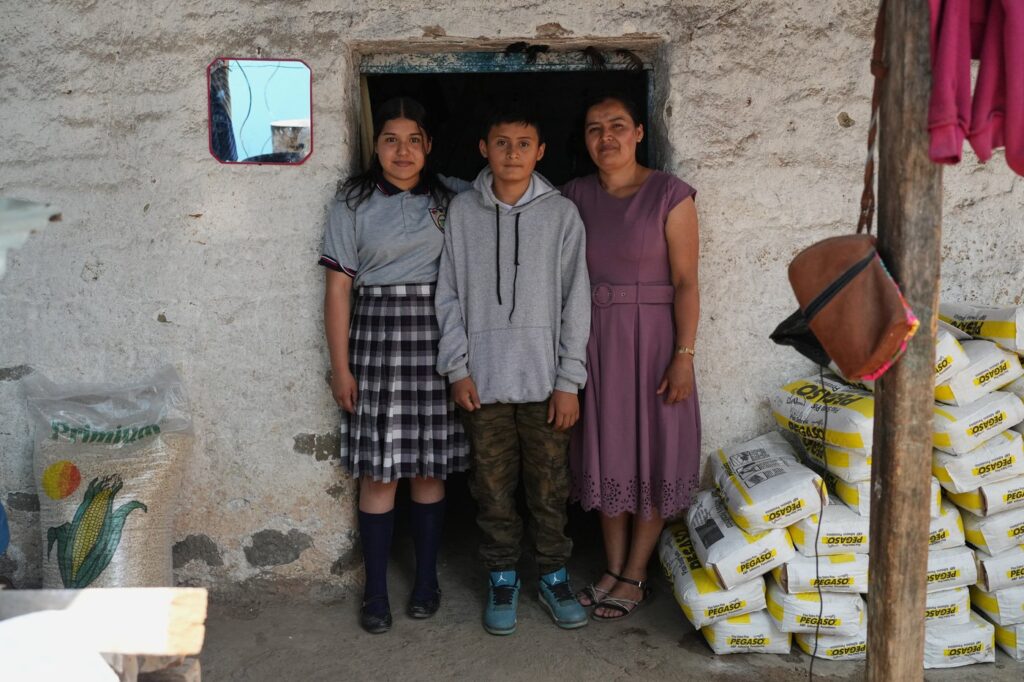
In 2018, Ederson Galicia Alva, at just 3 years old, was forcibly taken from his mother at the U.S.-Mexico border under the Trump administration's family separation policy. He was kept in a government facility for months before legal intervention facilitated their reunion. However, in June of the previous year, Ederson and his mother faced separation once again and were ultimately sent back to Guatemala, despite existing legal protections intended to keep families united.
After almost a year in Guatemala's indigenous highlands, Ederson's family was finally permitted to return to Florida last week, following a federal judge's ruling that the government had acted unlawfully. The complexities surrounding their situation highlighted ongoing challenges, even eight years after the initial policy sparked global outrage. An investigation revealed that the government has illegally re-separated dozens of children from their families, contravening a legal settlement designed to prevent such actions.
The investigation by the Associated Press (AP) uncovered that during the current Trump administration, there have been numerous instances of family separations. While federal agents have vowed to increase deportations, the consequences have disproportionately impacted parents of tens of thousands of children, with many separated under cruel circumstances. Unlike the forcible separations seen in 2018, current separations often occur when parents are detained or deported, leaving them to choose between leaving their children behind or returning home to their countries of origin.
In response to inquiries about the government’s policies, Lauren Bis, an acting Assistant Secretary of the Department of Homeland Security (DHS), stated that the agency complies with all court orders and that enforcing immigration law is non-negotiable. This stance comes in light of the legal challenges posed by NGOs and activist judges, according to Bis. Immigration officials have also argued that they retain the statutory authority to execute removal orders despite the previous legal settlement.
The family separation policy was formalized in late 2017 under the guidance of Stephen Miller, a senior policy advisor in the Trump administration. The ACLU initiated a class action lawsuit in February 2018 to stop this practice after it became widely known that many families were torn apart, leading to a judge's order that required the government to cease these separations due to the irreparable harm they caused.
Despite the existing settlement, which offers special legal protections to separated families—including pathways to asylum and access to support services—many parents and children remain vulnerable. As deportations have surged recently, fear has kept numerous separated families from navigating the legal landscape to access the benefits of the settlement. Additionally, the expiration of various protections, including the urgency attached to asylum applications and legal service contracts, has generated further anxiety among separated families.
Ederson's family faced economic hardships while in Guatemala, with their struggle exacerbated by concerns about maintaining connections with friends in the U.S. After receiving news that they could return under a judge's order, they embarked on their journey back, carrying passports and travel documents. Upon arrival in Miami, however, immigration officials promptly began questioning Ederson's mother, leading to uncertainty regarding their stay, where she was granted only two weeks of humanitarian parole.
This precarious situation demonstrates the ongoing complexities surrounding immigration policies and family separations. Ederson's mother, Alva López, refrained from disclosing the temporary nature of their return to her children, worried that it would reignite their fears of potential separation. The emotional toll of being separated, deported, and subsequently reunited under such precarious circumstances highlights the ongoing challenges faced by families entangled in the U.S. immigration system.








