

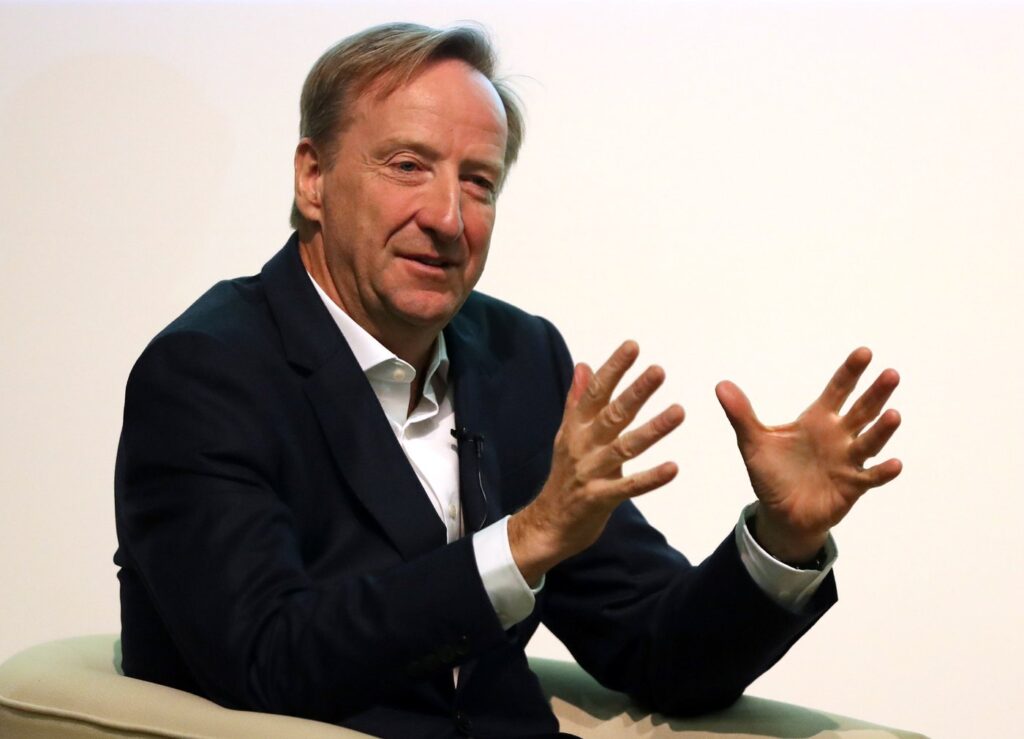
LONDON (AP) — Prince William and British Prime Minister Keir Starmer have expressed their condolences following the passing of former MI6 spy chief Alex Younger, who died at the age of 62. Younger led the United Kingdom's foreign intelligence agency, known as the Secret Intelligence Service, from 2014 to 2020, becoming one of the first individuals to be publicly named to this prestigious position, colloquially referred to as C. His death was confirmed by the government, which noted that he had been diagnosed with cancer.
BBC broadcaster Nick Robinson, a friend of Younger, shared a poignant anecdote about the former spy chief's battle with cancer. After receiving his diagnosis, Younger humorously nicknamed his tumor “Putin,” drawing a direct connection to the Russian president. This illustrates not only his bravery in facing illness but also his well-known views on international relations.
Prince William, who undertook internships at the U.K.'s intelligence and security agencies in 2019, remarked that Younger embodied the very best qualities of the Secret Intelligence Service, highlighting his “integrity, courage, and unwavering commitment to protecting this country and its people.”
Prime Minister Keir Starmer paid tribute to Younger, stating that he would be fondly remembered by many ministers, colleagues, friends, and family for his dedication to British public life and national security. Currently, the head of MI6, Blaise Metreweli, echoed Starmer's sentiments, stating that Younger exemplified the service's core values of integrity, courage, creativity, and respect, contributing significantly to both the U.K. and global security.
Younger was educated at St. Andrews University in Scotland and served as an officer in the British Army before his 1991 entry into MI6. He enjoyed a three-decade career in the intelligence service, which included significant assignments in the Western Balkans during the tumultuous 1990s. Reflecting on his experiences, he noted the satisfaction of playing a key role in bringing war criminals to justice for their involvement in the violent displacement of countless individuals.
In the aftermath of the September 11 attacks, Younger worked in Afghanistan and was in charge of counterterrorism efforts, including overseeing the security measures for the 2012 London Olympics. He candidly described the dual nature of a spy's life, recognizing both the excitement of being part of a secretive world while also acknowledging the isolation it can bring.
Younger had a complex view of the portrayal of spies in popular culture, particularly the iconic character of James Bond. While acknowledging that Bond has created a powerful brand for MI6, he remarked that if someone like Bond were to apply to MI6 today, they would need to change their ways. This statement reflects a recognition of the evolving demands and standards within modern intelligence operations.
Ultimately, Younger left behind a legacy of commitment to public service and national security, remembered for his contributions to protecting Britain and his efforts to strengthen the country's intelligence capabilities.








