

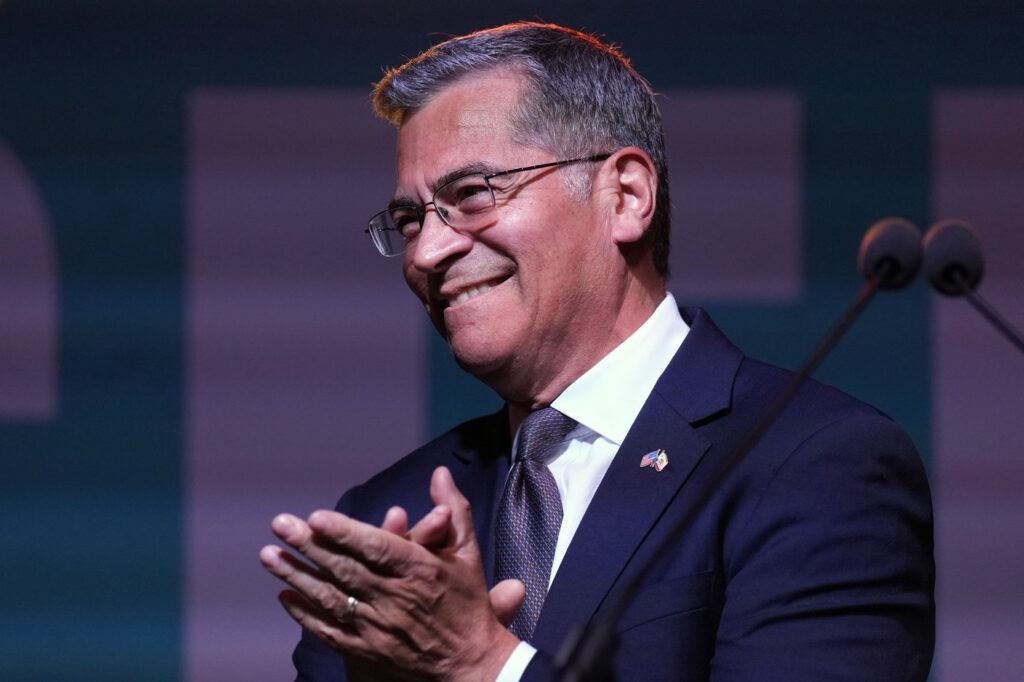
In the upcoming gubernatorial races this fall, at least three key figures from President Joe Biden's administration are seeking election as representatives of the Democratic Party. These include former U.S. Interior Secretary Deb Haaland of New Mexico, former U.S. Health and Human Services Secretary Xavier Becerra of California, and Keisha Lance Bottoms, a former senior adviser and the Democratic nominee in Georgia's gubernatorial race.
As these candidates prepare for November, questions arise about the potential impact of their ties to Biden, especially following his exit from the White House amidst low approval ratings. Haaland expressed her commitment to the people of New Mexico during her acceptance of the Democratic nomination but did not mention Biden directly in her speech, highlighting her own credentials instead.
Concerns among Biden's allies are surfacing, with some former aides criticizing the recent visibility of the Biden family, particularly through Jill Biden's book tour and Hunter Biden's social media presence. Former White House aide Rodericka Applewhaite indicated that some Democratic candidates may be avoiding Biden's involvement in their campaigns to stay clear of any potential backlash.
Both Haaland and Becerra aim to shift the narrative towards President Donald Trump in their campaign materials, yet neither referenced Biden during their primary speeches. Instead, they focus on promoting their achievements while attacking Republican policies. Meanwhile, Biden did not endorse either candidate prior to the primaries.
Republicans are preparing to spotlight the connections between Democratic candidates and the Biden administration, framing these ties as vulnerabilities. Montana Governor Greg Gianforte criticized Haaland's dedication to Biden's policies, while the Democratic Governors Association emphasized the party's focus on local issues rather than Trump’s agenda.
In Georgia, Keisha Lance Bottoms has taken a different approach, explicitly highlighting her collaboration with Biden on her campaign website and actively seeking his endorsement. She expressed to CNN that there is a growing desire for Biden's leadership amongst constituents as she campaigns. Despite this connection, she refrains from publicly emphasizing her role in the Biden administration, typically redirecting to local issues during her speeches.
Recent polling indicates that Biden's overall favorability has declined significantly, with only about a quarter of U.S. adults rating his presidency as "good" or "great." This discontent is shared even among some Democrats, who describe his presidency as mediocre at best. Public perception has been compounded by the Biden family's recent controversies, including Hunter Biden's interactions on social media and Jill Biden's critical remarks about her husband's past debate performances and his decision to run for reelection.
The fallout from Jill Biden's comments has caused friction among Democratic allies, leading to public disagreements regarding the timing and appropriateness of such discussions. The tension showcases the delicate balance candidates must strike as they navigate their connections to the current administration while separate themselves from its declining popularity as they head into crucial gubernatorial races.








