

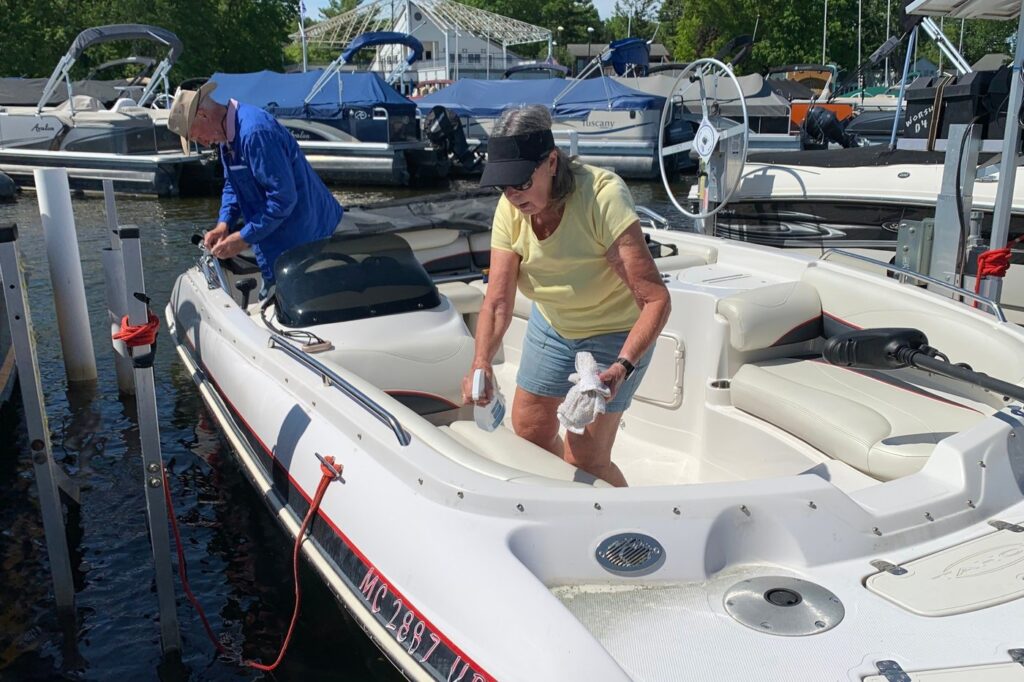
DEXTER TOWNSHIP, Mich. (AP) — As warm weather returns to Michigan, Malik Amine and his brother prepared their family’s pontoon boat for the summer. With the cover off and Portage Lake shimmering under the sun, the brothers faced an important decision: how much gasoline to put in the boat's 52-gallon engine.
Recreational boaters are experiencing financial strain similar to that of motorists, largely due to rising gas prices stemming from geopolitical issues, including the ongoing Iran conflict. Although U.S. gas prices have recently decreased, they remain 34% higher than the previous year, according to AAA. Diesel fuel, which some boaters also utilize, has seen an increase of 53% compared to last year. Ethanol-free gas, preferred by many boaters and classic car enthusiasts, is now priced between $7 and $7.99 per gallon at certain locations, significantly impacting those looking to fuel up.
One local gas station near Portage Lake, located 60 miles west of Detroit, recently sold ethanol-free fuel for $7 per gallon. Amine noted the dramatic increase in costs compared to last year and expressed his intention to fill the tank only as necessary: “I think it’s probably a little bit smarter to do what you need and fill it as much as you need,” he remarked, acknowledging uncertainty about when current global tensions would ease.
The National Marine Manufacturers Association estimates that approximately 100 million Americans engage in boating activities each year, contributing to a $230 billion industry. Conversations with boaters suggest that while many plan to continue their water outings, the high gas prices are leading some to reassess their boating habits and trip plans. Ellen Bradley, the association's chief brand officer, noted a shift in boater behavior, stating, “I may not go as far. I may not as fast.” Many are opting to remain longer at their docks or enjoy swimming rather than cruising.
Neil and Kathleen Donohoe, who reside aboard a 50-foot diesel-powered boat named Granuaile, have been cruising along the East Coast and to the Bahamas for seven years. While maintenance is usually their largest expense, they are feeling the pinch of inflated fuel prices, especially with their boat's 1,500-gallon hold. The couple plans to stay within the Chesapeake Bay area this summer rather than venture further afield, citing both cost and a moral discomfort with spending large sums on fuel while others struggle financially.
Boating-related businesses are also feeling the effects of fluctuating fuel prices. The Seattle Sailing Club, which offers lessons and charters, reported a 10.7% increase in its fuel bill since the beginning of the conflict. Lindsey Brown, the club’s office manager, disclosed that prices at their marina rose from $6.50 to $7.99 per gallon for diesel. With the busy season approaching, Brown is concerned about the potential impacts of sustained high prices on their business operations.
Melissa Kunnert, the owner of NautiMi On the River, adjacent to Portage Lake, operates an ice cream and gift shop while also renting out pontoon boats. Despite increased fuel costs, Kunnert has chosen not to raise her prices, speculating that higher overall travel costs may keep more customers nearby rather than seeking distant vacations. She noted, “I’m interested to see if we’ll have the same amount as previous years (or) if we will have more because people don’t want to use their gas, they want ours.”
In Traverse City, Michigan, Robert Hinds, who owns Central Coast Angling, has had to introduce a $50 fuel surcharge for his fishing trips. Hinds utilizes a 22-foot boat that he tows based on fishing conditions, necessitating additional fuel for his truck. However, he's faced several cancellations, with potential customers calculating the implications of increased travel costs. Hinds recently opted out of a fishing trip to Wisconsin after estimating a $400 diesel fuel expense for his truck.
This summer, as fuel costs continue to fluctuate due to ongoing international crises, the boating community in Michigan and beyond is navigating a new landscape, balancing their desire for recreational activity with the realities of economic pressures affecting fuel prices.








