

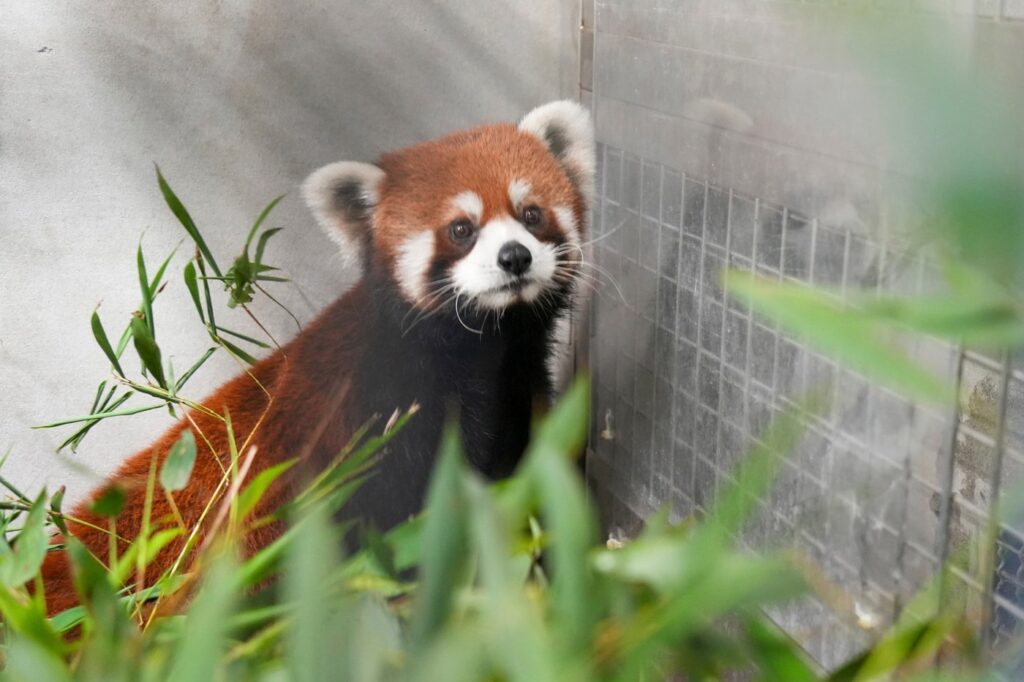
On Saturday, TAIPEI, Taiwan, witnessed a significant milestone in zoological collaboration as a pair of endangered red pandas were received at the Taipei City Zoo from China. This exchange marks the first transfer of animals between Taiwan and China in over a decade, reflecting both a rare moment of cooperation and the continuing tensions that exist between the two regions.
The red pandas included a 3-year-old male and a 2-year-old female, both of whom will undergo a month-long quarantine period before being acclimated to their new environment at the zoo. Following this adjustment phase, the adorable animals will be presented to the public for the first time. Initial observations indicated that while the male panda was adventurous, exploring his surroundings and eating, the female remained cautious, preferring to observe her new habitat. As of now, the pandas have not been given names.
The last time Taipei received red pandas from China was in 2014, when they obtained the animals from a zoo located in Fujian province. Red pandas are unique creatures that are native to regions including China, Nepal, Laos, and Myanmar, among others. This exchange not only signifies the importance of species conservation efforts but also highlights the efforts made at the city level to maintain connections despite broader geopolitical challenges.
As part of this exchange program, Taipei City is also set to send white-handed gibbons to Shanghai, showcasing ongoing cooperation between local governments. Although formal communications between the central governments of Taiwan and China are currently severed and tensions remain high regarding Taiwan's status, these city-level exchanges provide a platform for maintaining relations and mutual interests in wildlife conservation.
The situation surrounding the red panda exchange reflects the complex dynamics of Taiwanese and Chinese relations, particularly amidst the highly charged political atmosphere. While the broader geopolitical climate remains uncertain, local collaboration represents a glimmer of hope for continued partnerships in various sectors, including wildlife preservation.








