

PRISTINA, Kosovo (AP) — Kosovo is set to conduct its third parliamentary election in just 18 months this weekend, amidst growing frustration over a persistent political impasse. This election is considered critical as the region aims to advance its aspirations for integration into the European Union and NATO.
The early parliamentary vote, scheduled for Sunday, follows the failure of the main political parties to reach a consensus on a successor to former President Vjosa Osmani, whose term ended in March 2023. Albin Kurti's center-left Vetevendosje party has maintained a clear parliamentary majority since the snap election in December 2022. However, the president of Kosovo is selected by a parliamentary majority of at least 80 out of 120 members, a number that neither Kurti nor the opposition can currently achieve.
The escalating political stalemate has led to widespread disappointment among the approximately 2 million voters in Kosovo, who express a desire for the government to prioritize issues related to the economy and living standards rather than political maneuvering.
Vlora Kryeziu, a business figure from Pristina, voiced concern over the reminiscent cyclical nature of the political crisis, stating, "We will for sure have the same result." At 52 years old, she expressed dissatisfaction and a sense of futility regarding societal progress in changing the status quo.
The initial inconclusive election held in February 2025 left Kosovo without a functioning government for much of the previous year, necessitating the subsequent election in December. Kosovo is currently one of the youngest and poorest nations in Europe, having declared its independence from Serbia in 2008 after a conflict that led to NATO's intervention in 1999.
Kosovo’s independence is recognized by the United States and most EU nations, though Serbia and its allies Russia and China have not acknowledged it. For Kosovo to proceed with its EU membership aspirations, it has been urged to improve relations with Belgrade.
This week, European Council President Antonio Costa called for Kosovo to end its political stalemate, emphasizing the need for unity towards EU integration. "The European Union can support Kosovo, but it cannot do Kosovo’s own homework," he declared in Pristina. He stressed the need for robust, stable, and functional institutions capable of enacting reforms and capitalizing on EU opportunities.
In the lead-up to the election, Prime Minister Albin Kurti has appealed for voter support, accusing opposition parties of fabricating a crisis and causing repeated elections despite the population's desire for stability. The two principal opposition parties, the Democratic Party of Kosovo and the Democratic League of Kosovo, countered by accusing Kurti of seeking to monopolize control over political institutions.
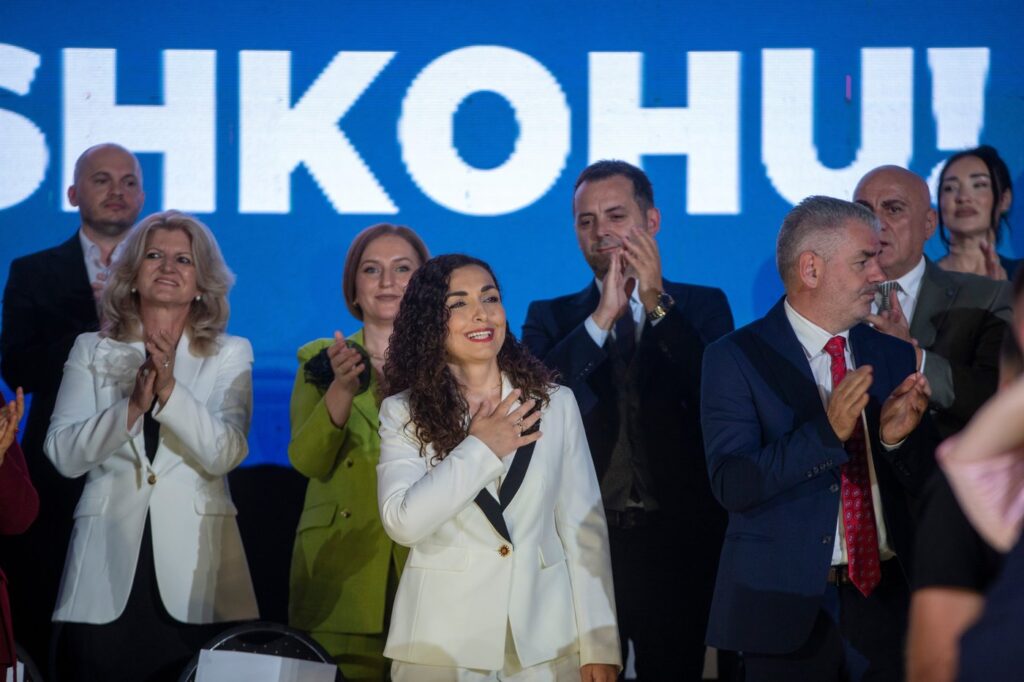
Former President Osmani, who is now contesting the election on the LDK party list, finds herself in a challenging position after Kurti opted not to endorse her for a second term. Political analyst Artan Muhaxhiri expects no "tectonic change" in voting patterns from the last election, where Kurti's party garnered over 50% of the vote. He forecasts the continuation of the political deadlock unless leaders are willing to compromise and bridge existing divides.
The prolongation of this political crisis has detrimental effects on Kosovo's economy, which is already reeling from global energy price fluctuations. The institutional vacuum caused by the political deadlock has also delayed access to EU and other international funding resources available for the country.








