

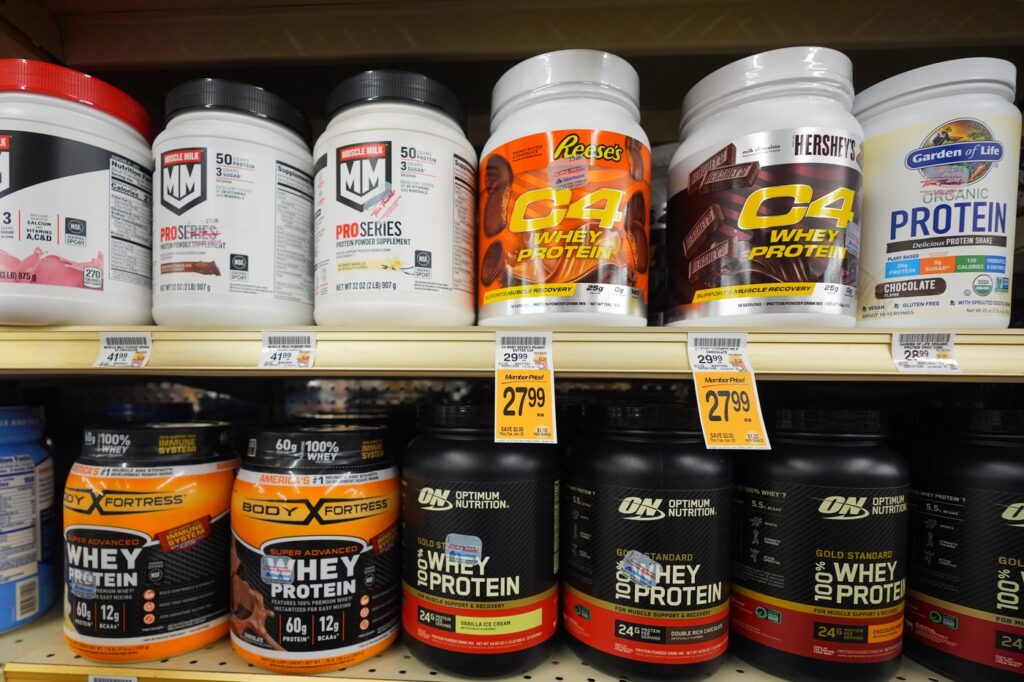
Global consumers increasingly demand more protein in their diets, but the dairy industry faces challenges in meeting this demand. Athletes and older adults have traditionally relied on smoothies and shakes containing whey protein concentrate—a byproduct of cheese-making—to support muscle maintenance and growth. Recently, food companies have incorporated whey protein into a wide range of products, including breakfast cereals, Pop-Tarts, potato chips, bagels, and Starbucks drinks, to satisfy the growing appetite for high-protein offerings.
According to NielsenIQ, the average U.S. supermarket boasts 38,708 products that promote their protein content. However, this trend towards ingredient-conscious shopping has led to shortages of food-grade whey protein, driving prices to unprecedented levels. Kathleen Wolfley, vice president of Ever.Ag Insights, remarked that demand is currently exceeding supply.
Wholesale prices for whey protein have begun to rise significantly in 2024, with an acceleration noted in 2023. Whey protein concentrate containing 80% protein—often favored by food manufacturers and supplement producers—now trades at over $13 per pound in the U.S., marking a staggering 250% increase from the previous year. Meanwhile, whey protein isolate, which has a higher protein content of at least 90%, has risen in price by 150% year-over-year.
This price surge is inevitably affecting consumers, with U.S. retail prices for whey protein concentrate increasing by approximately 15% over the past year. More premium whey isolate powders have experienced even greater price hikes. In Europe, a similar trend is observed, with 80% whey protein concentrate reaching a new average price of 26,450 euros ($30,518) per metric ton in late May, more than double the price from less than a year ago.
The production of whey protein is closely tied to cheese production, as milk contains two key proteins: casein and whey. During the cheese-making process, the casein forms solid curds while the liquid whey is dried and turned into powder. The U.S. has traditionally been a cheese-loving nation, which generates a substantial amount of excess whey. However, due to a growing demand for high-protein snacks domestically, much of this whey protein is now being retained in the U.S. for use in various food products and supplements, significantly reducing exports.
Data shows a 47% drop in U.S. exports of 80% whey protein concentrate and whey protein isolate to China during the first four months of the year. Jasper Endlich, a dairy analyst at Vesper, noted that domestic demand has halted many exports, as there is simply not enough product to satisfy U.S. consumers. Consequently, China is turning to Europe for whey protein, which is also facing shortages due to reduced U.S. exports.
One of the factors contributing to the rising demand for whey protein is the use of GLP-1 weight-loss drugs, such as Wegovy and Zepbound. These drugs are designed to suppress appetite, meaning that the foods consumed need to be nutritionally dense. Users are encouraged to maintain a diet rich in protein to feel satisfied longer and preserve muscle mass during weight loss. An estimated 6% of obese and diabetic patients in the U.S. utilized GLP-1 drugs last year, with reports suggesting usage as high as 12% of the adult population in the U.S.
Tight supply conditions and inflated costs have prompted some manufacturers to pass along price increases to consumers for protein powders and protein-enriched products. Now Foods, an Illinois-based producer of health foods and nutritional supplements, recently raised the prices of its whey protein products after enduring higher raw ingredient costs over two years. However, they do not foresee additional price increases for the remainder of the year and are considering expanding their product line to include alternatives with lower-cost milk protein concentrate.
Investments are currently being made to increase whey protein production capabilities, although immediate relief from supply constraints is unlikely. Irish nutrition company Glanbia plans to boost its whey protein isolate production in New Mexico, but this additional capacity will not be operational until 2027. Canadian company Agropur is also planning to enhance whey protein manufacturing in various states and provinces.
In the meantime, elevated prices may lead some consumers to curtail their purchases of whey protein powders, especially during a time when overall grocery costs are rising. Wolfley suggested that declining retail demand could help alleviate some of the supply issues at the wholesale level, though the resolution of these challenges may take time.








