

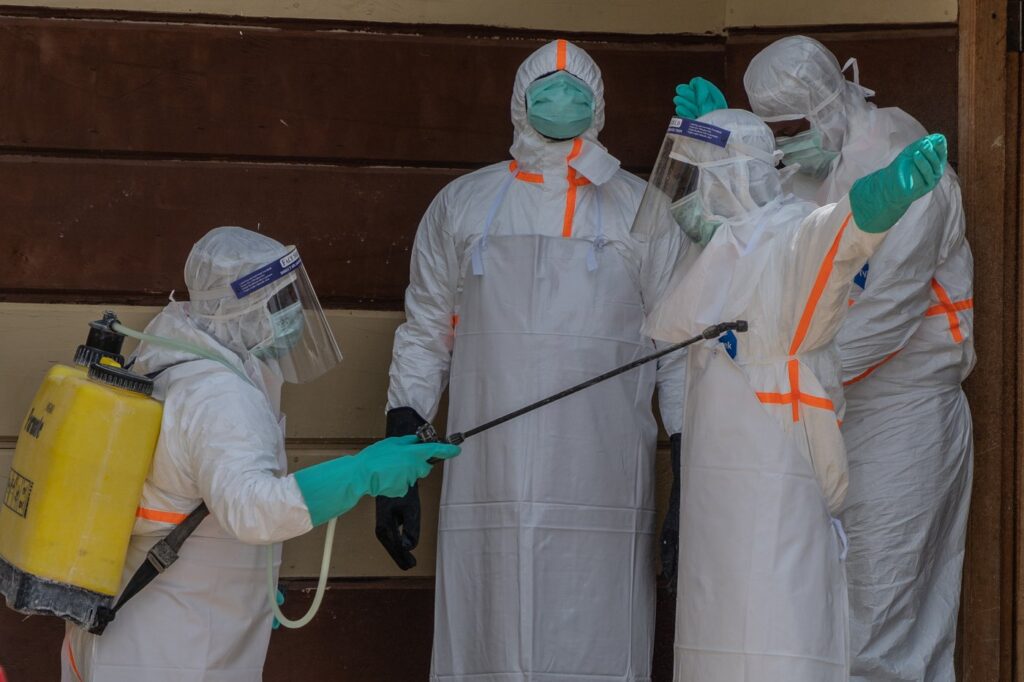
KINSHASA, Congo (AP) - The Congolese authorities have reported a significant surge in Ebola cases within a single day, as multiple challenges continue to impede the response to the outbreak declared a month ago. These challenges include weak contact tracing efforts, ongoing insecurity, and funding shortages.
On Sunday, the Congolese Ministry of Health announced 72 new Ebola cases within 24 hours, pushing the total number of confirmed cases to 782. Among these, 181 confirmed deaths have been reported, following an additional 32 deaths that were confirmed.
The actual number of cases in Congo is believed to be underestimated, as the outbreak was confirmed only on May 15, weeks after it likely began. Furthermore, the contact tracing coverage rate has dropped to 56%, representing a significant decline from the previous week.
This latest Ebola outbreak is attributed to the rare Bundibugyo virus, which currently lacks an approved vaccine or treatment, in contrast to the Zaire virus responsible for most of Congo's past 16 outbreaks of the disease.
As of now, 56 individuals have recovered, and the current fatality rate stands at 23%, according to the health ministry. In response to the escalating situation, the World Health Organization has announced an intensified effort in testing, contact tracing, and treatment.
The Africa Centers for Disease Control and Prevention (Africa CDC) also emphasized its commitment to mobilizing technical expertise, enhancing laboratory systems, and engaging with communities to accelerate the response to the outbreak.
The head of Africa CDC, Jean Kaseya, stated, "We remain committed to supporting affected countries until transmission is stopped. We call on partners and donors to urgently mobilize resources to strengthen the response and save lives."
The outbreak is primarily located in Congo's eastern province of Ituri, which accounts for over 90% of the cases. Additionally, cases have been identified in the neighboring North Kivu and South Kivu provinces and have even crossed into Uganda.
According to the U.N. humanitarian office, nearly one million individuals have been displaced due to conflict in Ituri, complicating efforts for effective contact tracing, as people often flee from attacks or move frequently. The region is characterized by dense forests and challenging road conditions, making remote villages accessible only after days of travel.
Compounding the issue, the thousands of artisanal miners who frequently travel between remote sites in the mineral-rich region further hinder effective tracing.
Banchereau reported from Dakar, Senegal. The report is co-authored by Jean-yves Kamale and Mark Banchereau from The Associated Press.








