

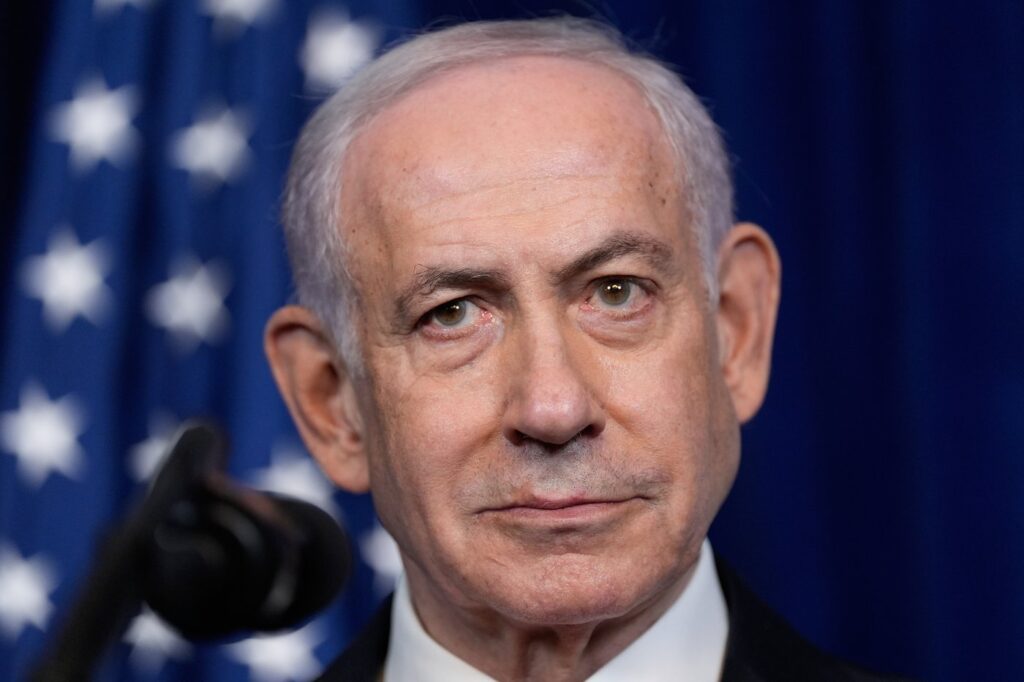
JERUSALEM (AP) - An interim deal reached between the U.S. and Iran has sparked outrage among Israelis across various political affiliations, who perceive the agreement as a catastrophic development for Israel. The primary target of their ire is Prime Minister Benjamin Netanyahu, who has yet to publicly address the situation as of Monday evening. The criticism from government officials, political opponents, and commentators suggests a growing consensus against Netanyahu ahead of upcoming elections this fall.
Critics argue that Netanyahu misled former President Donald Trump into a conflict with Iran while overhyping what could be achieved from the war. As Trump sought to disengage from the conflict, many believe that Netanyahu's miscalculations regarding Trump's willingness to engage in prolonged warfare have left Israel vulnerable. Former Prime Minister Ehud Barak expressed that "Israel is paying the price of Netanyahu's hubris and blindness," arguing that Iran has emerged stronger while Israel has become weaker under Netanyahu's leadership.
Yair Lapid, a key challenger to Netanyahu in the approaching elections, labeled the deal as "one of the most shocking failures in Israel's foreign and security policy," and asserted that the situation must be remedied, a task he claims Netanyahu can no longer accomplish.
The U.S.-Iran agreement complicates Israel's military operations in Lebanon, especially following its invasion of southern Lebanon after missile strikes from Iranian-backed Hezbollah. Iran has maintained that any diplomatic resolution with the U.S. must include a cessation of Israeli military actions in Lebanon. As negotiations progressed, Trump reportedly became increasingly frustrated with Israel's military strikes, fearing they could undermine the peace process. Ultimately, Trump opted to withdraw from the conflict, potentially constraining Israel's military strategies in Lebanon.
This predicament places Netanyahu in a delicate position, where curtailing military operations in Lebanon might be necessary to maintain a favorable relationship with Trump, despite popular support within Israel for continued military action. Defense Minister Israel Katz asserted the intention to maintain troop presence in Lebanon despite the diplomatic developments.
As political tensions surge, former U.S. Ambassador to Israel Daniel Shapiro emphasized that any aggressive action from Hezbollah could escalate pressure on Netanyahu at home, particularly with the opposition also poised to challenge him. Shapiro noted that such dynamics offer significant leverage to Hezbollah and, by extension, Iran.
Israel's military objectives in Iran also remain unfulfilled. Following the commencement of the war on February 28, which aimed to dismantle Iran's nuclear capabilities, analysts contend that four months of military engagement have left Iran in a robust position, with its proxy networks and missile capabilities intact. Moreover, Iran has asserted control over the crucial Strait of Hormuz, impacting global trade and raising costs for essential goods.
Concerns are rife among Israeli officials that the recently brokered deal with the U.S. could lead to a substantial financial boon for Iran, facilitating a phased lifting of sanctions and the release of frozen assets. Political commentator Anna Barsky noted that while Israel believes the war may have delayed Iran's nuclear advancements, it did not alter the nation's strategic goals. Additionally, Yair Golan, a left-leaning party leader and former general, criticized the deal, claiming it would effectively provide financial support to the Iranian regime while leaving its nuclear infrastructure and missile threats unchanged.
As the political fallout from the deal continues to unfold, the implications for Israel's security strategy and regional standing remain uncertain, creating a heightened atmosphere of tension and dissent toward Netanyahu's leadership.








