

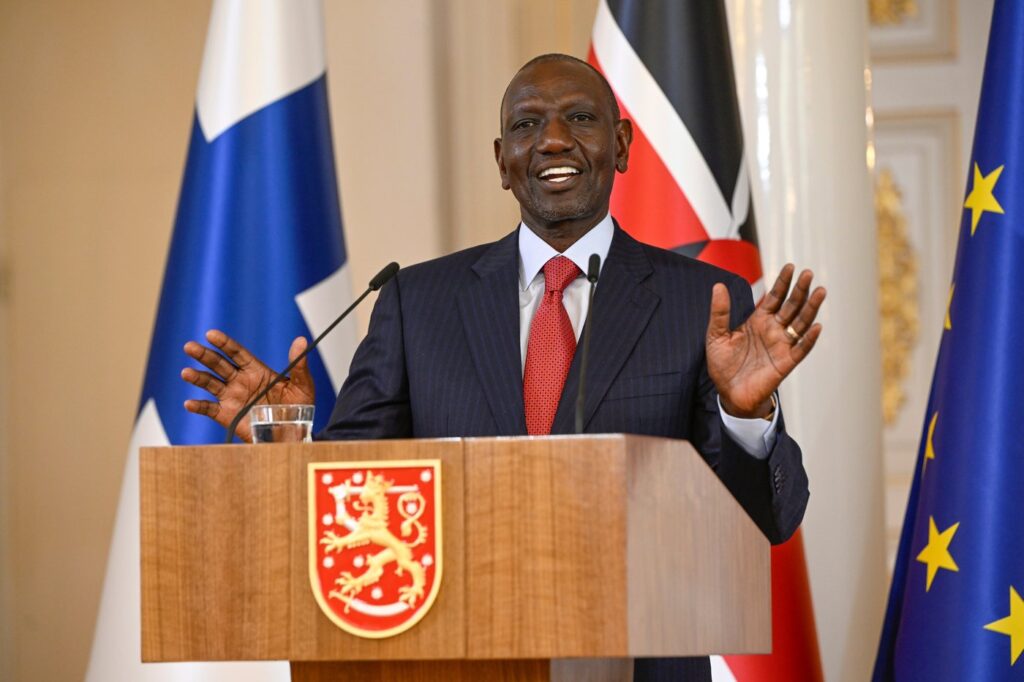
NAIROBI, Kenya (AP) – In a significant step towards addressing human rights violations, President William Ruto announced on Monday that Kenya will implement compensation for almost 2,000 victims of abuses related to recent protests. This initiative marks a rare instance of national reparations being conducted outside of the judicial framework in the country.
The violent protests in Kenya have led to extensive damage, resulting in hundreds of deaths, injuries, and severe business losses. The latest incidents, which revolved around the establishment of an Ebola quarantine center for American citizens, culminated in two demonstrations that left three individuals dead and many others wounded.
The compensation process will commence next week for the victims after they undergo vetting by the state-funded human rights commission. The total payout for reparations is anticipated to reach approximately $15 million. This decision is part of Ruto's broader commitment to acknowledging the suffering endured by these individuals.
During the unveiling of the national Reparations Framework Report, President Ruto emphasized that the compensation signifies the state's acknowledgment of the harm inflicted and does not imply an admission of guilt. He stated, "A nation heals by tending to its wounds rather than pretending they do not exist." This statement highlights the importance of confronting past injustices as a means to foster national healing.
In particular, the country witnessed numerous fatalities and injuries during the annual anti-government protests that occurred in June 2024 and June 2025. These protests, spurred by public dissent against increased taxes, resulted in property damages estimated in the millions. The government claimed that these demonstrations were further complicated by criminal elements taking advantage of the unrest.
While introducing the reparations program, Ruto clarified that the compensation should not be misconstrued as the "price of life, of pain or of loss," nor should it be viewed as a "reward for violence or criminality," especially in a nation where such protests are commonplace. His remarks underscore the delicate balance between providing reparations and discouraging future acts of violence.
Claris Ogangah, who leads Kenya's National Commission on Human Rights, expressed optimism regarding the compensatory payments, stating that they would play a crucial role in the healing process for the nation. She articulated the emotional weight behind the statistics referenced in the Reparations Framework Report, asserting that every figure represents a unique human story involving families and communities whose suffering has often gone unrecognized. Ogangah noted, "By giving voice to these experiences, the report contributes to a national process of healing founded on truth, recognition, and remembrance."
This initiative by President Ruto reflects a significant moment in Kenya’s journey towards addressing the legacy of human rights violations linked to civil unrest. As the country aims to reconcile past grievances, the continued dialogue surrounding these injustices will be essential in fostering a more inclusive future for all Kenyan citizens.








