

OTTAWA – Amnesty International and the Canadian Council for Refugees have initiated a new Federal Court challenge contesting the constitutionality of the Safe Third Country Agreement, a treaty with the United States stipulating that refugees must claim asylum in the first country they enter. This legal action highlights concerns about the treatment of refugees at the Canada-U.S. border.
The organizations argue that a 2023 Supreme Court ruling regarding the Safe Third Country Agreement is being violated. The court's decision allows refugees to avoid being sent back to the U.S. if there is a credible threat of unnecessary detention or deportation to a place where their rights and lives are in jeopardy. This ruling is crucial for ensuring the safety and protection of vulnerable individuals seeking asylum in Canada.
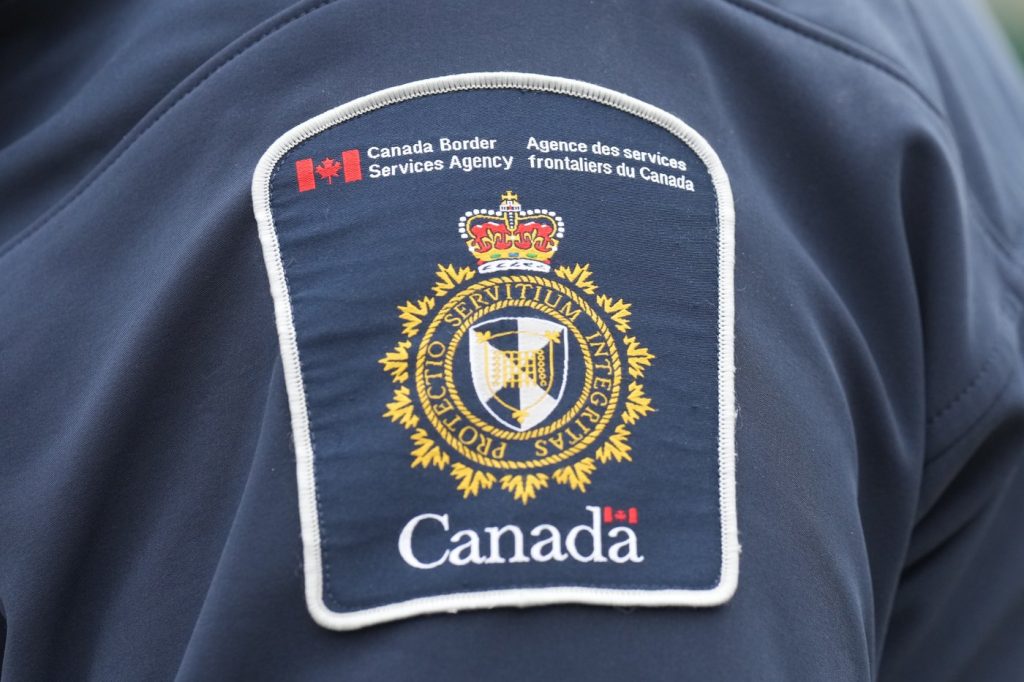
According to the advocacy groups, the Canada Border Services Agency (CBSA) is failing to properly implement the Supreme Court's ruling. They assert that the agency is improperly denying entry to individuals who have legitimate fears for their safety, despite substantial evidence indicating that their rights are at risk.
Central to this challenge is the case of a Honduran family who were reportedly denied entry into Canada after their asylum claims in the U.S. were terminated. The family faced a two-week detention in the U.S. before being deported back to Honduras, where they are now forced to live in hiding due to persistent threats from gangs, which were the primary reason for their initial flight from their home country.
This latest case is distinct from another constitutional challenge to the entire Safe Third Country Agreement, in which Amnesty International and the Canadian Council for Refugees are also engaged, alongside the Canadian Council of Churches. The ongoing legal battles signify heightened scrutiny and concerns regarding the treatment of refugees at the U.S.-Canada border under current immigration policies.
The implications of these legal challenges are significant, as they not only impact individual refugees but could also result in changes to the broader framework governing asylum claims and the responsibilities of the CBSA. With growing attention on refugee rights and protection, these cases may set important precedents in Canadian immigration law and policy.








