

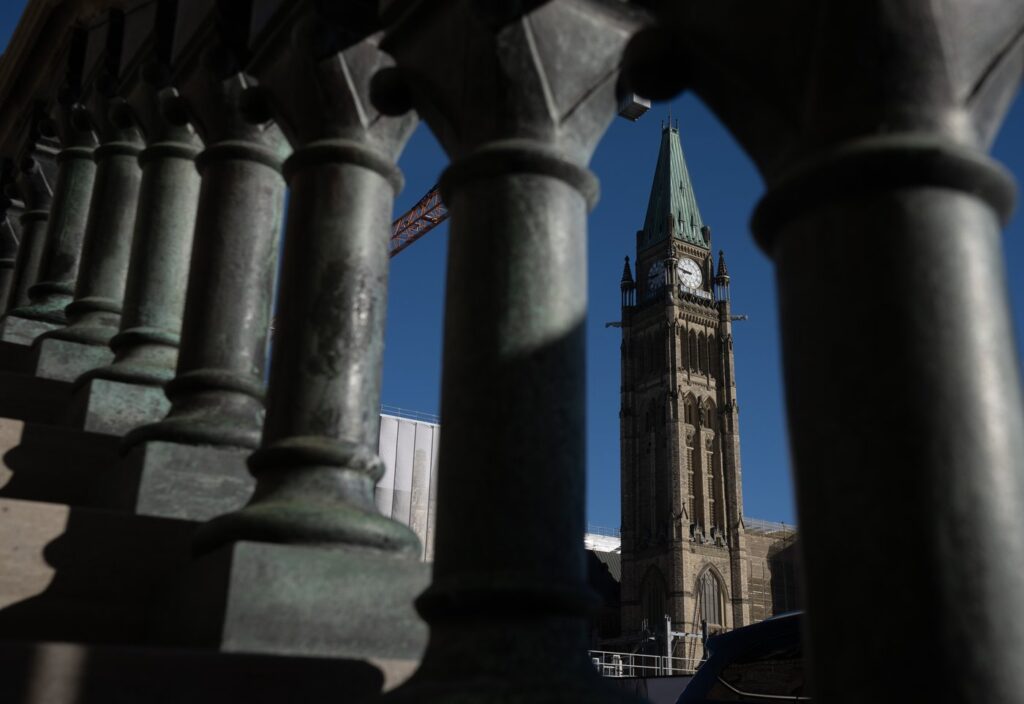
OTTAWA — Parliamentarians have returned to Ottawa, where discussions are set to continue regarding the government's significant economic and labour legislation, Bill C-39. This 243-page bill seeks to transform various aspects of federal project decision-making and labour relations, with a focus on national defence and security procurement legislation also in the pipeline.
Bill C-39 aims to establish a one-year timeframe for federal project decisions and to designate specific "zones of national interest," where certain projects will receive pre-approval. The legislation also proposes modifications regarding when the jobs minister can intervene in labour disputes, aiming to reduce instances of work stoppages.
The bill is expected to undergo committee study; however, instead of proceeding to a regular standing committee, a special committee will be formed within the House of Commons for this purpose.
Cindy Woodhouse Nepinak, the national chief of the Assembly of First Nations, has expressed concerns that the government could "abuse" its majority powers to push the bill through, potentially impacting First Nations rights by restricting mandatory consultations.
Labour groups, including the Canadian Labour Congress, have also voiced opposition to the bill, arguing that the proposed measures threaten the fundamental right to strike. Bea Bruske, president of the Canadian Labour Congress, highlighted that the International Trade Union Confederation has reached out to Prime Minister Mark Carney, warning that the proposed labour regulations may "highly likely violate" Canada's international labour obligations. Bruske emphasized the importance of maintaining Canada's commitment to fundamental labour rights and urged the government to reconsider the provisions within the legislation.
The Canadian Union of Public Employees (CUPE), one of Canada’s largest unions, has vowed to oppose Bill C-39 if it is enacted without amendments. Conversely, voices from the business sector have stated that the bill does not do enough to prevent job actions.
Jobs Minister Patty Hajdu remarked that the bill aims to implement "guardrails" around the minister's powers to intervene during strikes or lockouts, compelling individuals to return to work as necessary.
Moreover, Procurement Minister Joel Lightbound announced a new piece of legislation, titled "an act respecting production, procurement and investment in relation to national defence and national security." This legislation is part of initiatives stemming from the Defence Investment Agency, established a year prior to overhaul defence procurement processes.
The Canadian government has been rapidly increasing its defence spending, aiming to meet the NATO target of allocating five percent of GDP annually towards defence initiatives.
On the opposition side, Conservative Leader Pierre Poilievre has articulated a motion to urge the government to set a target for Canada to produce one million barrels of diesel per day, especially in light of soaring fuel prices. In a video message released on Sunday, Poilievre indicated that this objective could be accomplished through emergency permits and tax relief for refining, storage, and transportation operations.
The Conservative motion also emphasizes the importance of extending the fuel excise tax exemption until at least July 1, 2027. Poilievre further asserted that the government should establish a strategic energy reserve, creating stockpiles to mitigate potential shortages that may drive prices up. He noted that Canada is the only G7 nation without such a reserve, despite having significant oil reserves.
The International Energy Agency requires member nations to maintain a 90-day supply of their net fuel imports to use during shortages. However, Canada remains exempt from this stipulation as it exports more fuel than it consumes.
This legislative activity occurs against a backdrop of near-record-high diesel prices, with the Canadian average hovering around $2.60 per litre. The current pause on the fuel excise tax, extended last month until January 31, 2027, will gradually return to its original rate starting April 1, 2027.
Parliamentarians are scheduled to remain in Ottawa until Friday, at which point they will return to their ridings for another constituency week, coinciding with the Thanksgiving holiday.








