

The recent recommendation by a special government committee in Canada has caused deep emotional reactions among individuals suffering from mental illnesses who are seeking access to medical assistance in dying (MAID). These frustrations stem from the committee's conclusion that there wasn't enough consensus on the potential for improvement in patients with mental health conditions and how to differentiate a request for MAID from suicidal ideation.
Kyle Thomson, a 52-year-old man living with persistent depressive disorder, expressed feelings of betrayal and despair after reading the committee's decision. Having waited years for the possibility of applying for MAID, he likened his situation to running a race where the finish line keeps moving further away. Thomson's attempts to engage with the committee, including a request to testify, were thwarted due to the panels being full.
The report was submitted to the federal government in anticipation of a potentially transformative decision on allowing MAID for individuals suffering entirely from mental illnesses. Justice Minister Sean Fraser has stated he will review the findings before making any next steps. Notably, most witnesses at the committee hearings were against the expansion of MAID, emphasizing concerns about vulnerable individuals seeking assistance without adequate mental health treatment.
Dr. Mona Gupta, a psychiatrist, criticized the committee for not involving the voices of individuals with mental illness wishing to access MAID. In contrast, Dr. Margaret McKinnon shared her personal battle with major depressive disorder, suggesting that had MAID been available a year prior, she would have sought it due to her previous persistent suicidal thoughts. She noted that her current period of recovery reflects the unpredictable nature of mental illness.
In terms of lived experiences, the report included submissions from various angles but fell short of including testimonies in person. Many individuals, like Thomson, feel crushed by the current state of affairs. Some have begun exploring legal avenues to claim their eligibility for MAID while others consider traveling abroad where such options might be available.
Dr. Danelia Chacon, a 74-year-old retired pediatrician from Ottawa, stands as one of those advocating for access to MAID. Chacon has struggled with mental health issues since childhood and recalls painful memories of trauma inflicted by her father, who died by suicide. Diagnosed with borderline personality disorder, she argues that her mental illness is as debilitating as any physical ailment, such as terminal cancer, that receives palliative care.
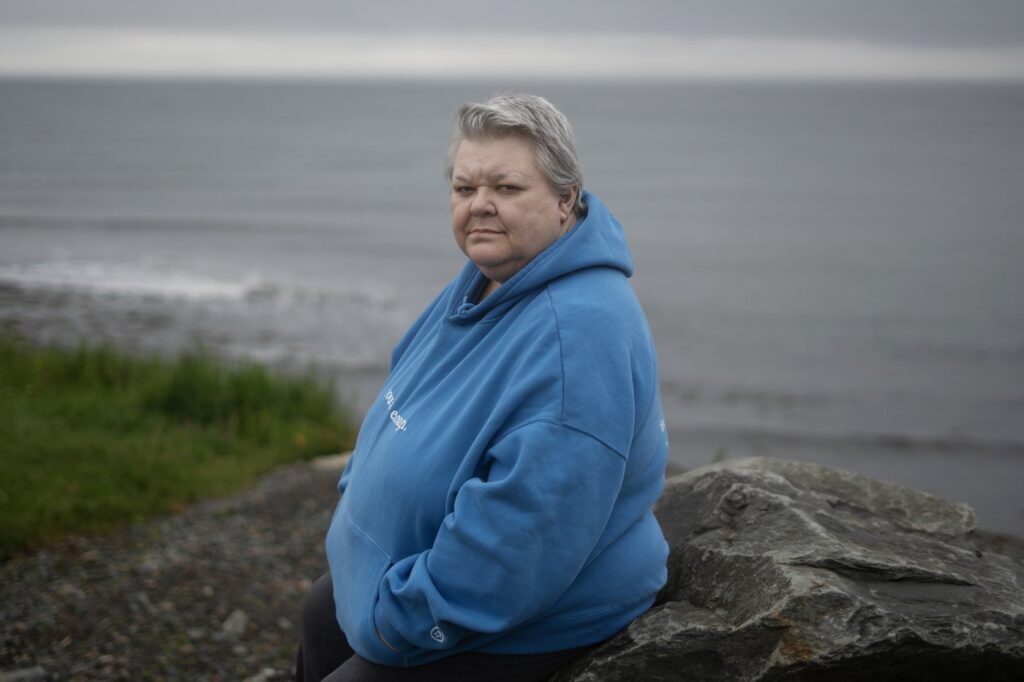
Similarly, Lisa Marr, a 56-year-old retired paramedic from Eastern Passage, N.S., grapples with complex post-traumatic stress disorder and numerous other mental health challenges. Despite being involved in providing support to others with PTSD, she remains haunted by her own experiences and is deeply affected by the committee's rejection of MAID for those with mental disorders. Marr feels that the system does not recognize the severity of their pain.
John, whose identity remains concealed due to a court order, began studying the law surrounding MAID after anticipating that mental health expansion recommendations would be denied. He has dealt with depression since childhood and has a recent diagnosis of multiple sclerosis, which he plans to use to substantiate his eligibility for MAID, alongside his mental health struggles.
Finally, Kyle Thomson underscores a critical point: many individuals seeking MAID for mental disorders feel that the system has left them desperate. After multiple hospital visits in crisis and no resources available to aid their mental health recovery, they see MAID as a viable option. The report emphasizes the necessity for better mental health services while failing to address the immediate needs of those like Thomson, who feel abandoned in their suffering.








