

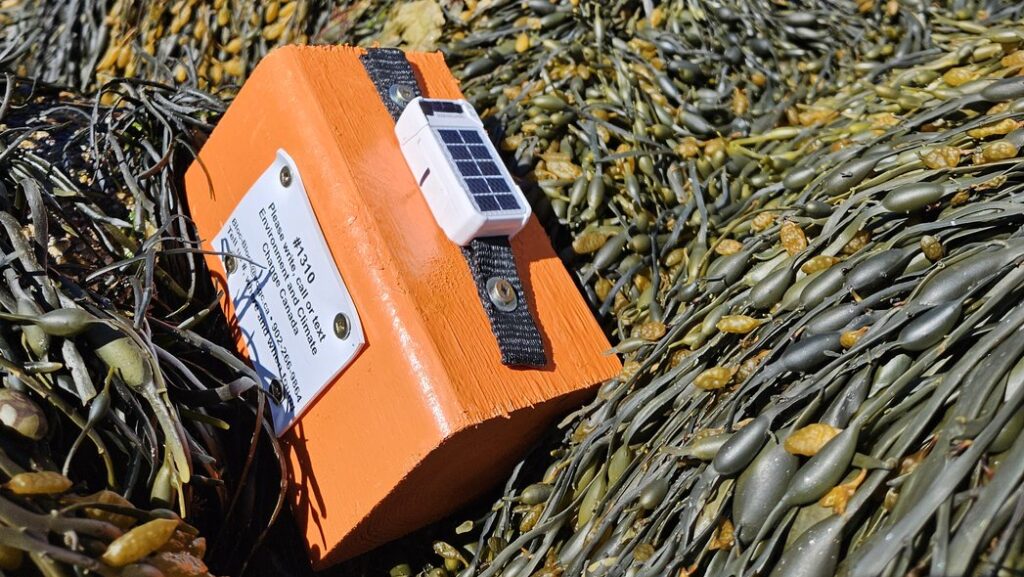
In an innovative approach to tracking seabird mortality, researchers from Environment and Climate Change Canada are utilizing a low-tech solution to predict where dead seabirds are likely to wash ashore along the coast of Nova Scotia. As part of their research, approximately 600 wooden blocks have been deployed in strategic locations between Halifax and Sable Island, as well as along the northern coastline of Cape Breton. These blocks serve as stand-ins for bird carcasses, with several equipped with GPS trackers.
The bright orange blocks are not only visually distinctive but are also marked with contact information, inviting bird watchers and beachcombers to participate in the study. Individuals who encounter these wooden blocks are encouraged to contact the researchers with details regarding the date and location of their findings. This citizen science initiative plays a critical role in gathering valuable data on the drift patterns of these blocks, which can be correlated to potential locations where seabird carcasses may subsequently wash up.
The data collected from the blocks will be essential in developing sophisticated computer models that predict where die-offs of aquatic birds occur as their remains drift ashore. Gaining insights into these patterns is particularly significant for the rapid response to various ecological crises, including serious outbreaks of diseases like avian flu. Moreover, understanding the drift of seabird carcasses can help address man-made environmental issues, such as oil spills, ensuring that officials can take timely action to mitigate harm to wildlife.
This research underscores the importance of monitoring seabird populations, especially in the context of increasing threats from diseases and environmental disasters. By harnessing community participation, researchers are able to broaden their data collection efforts without the need for extensive resources, demonstrating the value of integrative approaches in ecological studies.
Overall, this initiative not only aims to provide crucial data that can assist in managing wildlife health and environmental protection, but it also engages the public in scientific research that highlights the interconnectedness of species and ecosystems along the Nova Scotia coast.








