

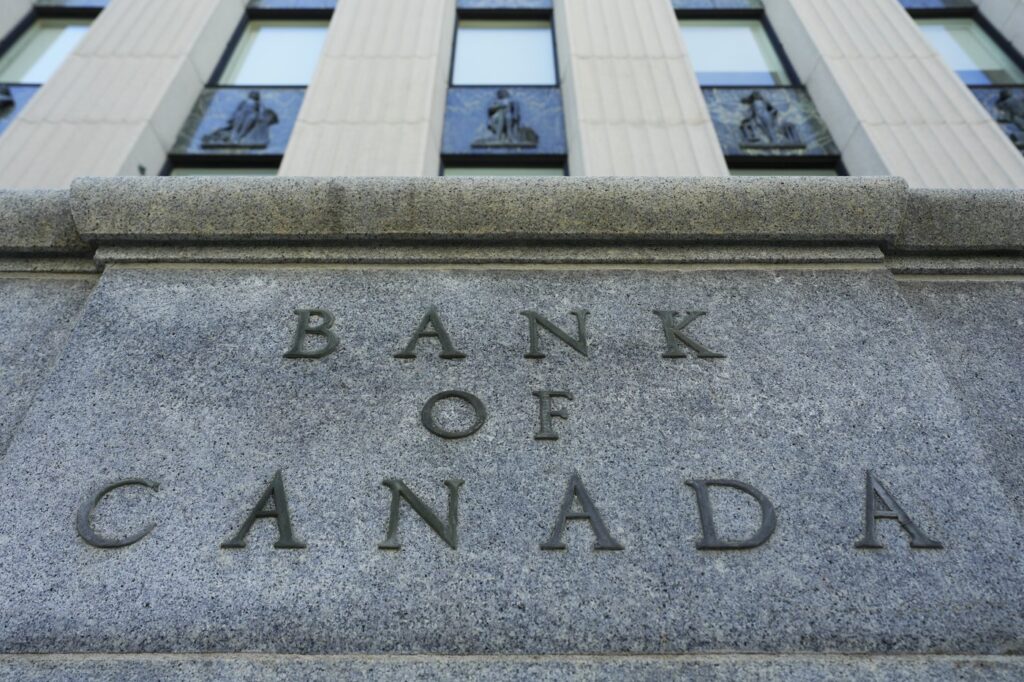
The Bank of Canada has announced that it will maintain its benchmark interest rate at 2.25 percent for the sixth consecutive time. This decision, anticipated by economists, comes amid expectations of an economic rebound following a challenging start to the year.
Tiff Macklem, the governor of the Bank of Canada, expressed that while the economy is currently facing heightened uncertainty, there is growing confidence among central bank officials regarding its ability to navigate these challenges. He emphasized that the current policy rate is seen as appropriate for steering inflation back to the central target of two percent and supporting economic recovery efforts.
Despite the optimism, Macklem acknowledged a risk that inflation might remain above the two percent target as it begins to ease. Notably, his statement excluded previous indications regarding the possibility of consecutive rate hikes or further cuts, depending on economic developments.
Recent data leading up to the announcement indicated an improving labor market and economic conditions after a difficult beginning to the year. The surprise contraction in the economy at the start of the year was unexpected by the Bank of Canada, which had projected an annualized growth rate of 1.5 percent for the first two quarters. Macklem pointed out that the economy has struggled to achieve growth prior to this situation.
"Canada's GDP growth was flat over the past year as the economy adjusted to new tariffs, elevated uncertainty, and slower population growth," noted Macklem. The Bank's updated monetary policy report indicated that temporary factors, such as delays in auto production and government spending, are expected to resolve, paving the way for projected growth of 2.5 percent in the second quarter.
Inflation, meanwhile, reached 3.2 percent in May, with significant increases in gasoline prices attributed to global energy shocks stemming from the ongoing war in Iran. The Bank of Canada highlighted that core inflation remains in line with the two percent target when gasoline prices are excluded, indicating that the overall impact on consumer goods has been limited thus far.
However, renewed tensions between the United States and Iran have led to increased global oil prices, and gasoline costs are expected to remain "volatile and highly dependent on events in the Middle East." Macklem remarked that while the direct effects of higher oil prices are being monitored, prolonged elevated prices could potentially lead to widespread inflationary pressures across other sectors.
To assess the long-term effects of the conflict in the Middle East, the Bank of Canada is closely watching supply chain disruptions, particularly those related to shipping volumes through the Strait of Hormuz. The central bank anticipates that the ongoing war will continue to drive inflationary pressures, especially in gasoline and grocery prices, through early 2027. Food inflation is expected to be particularly stubborn due to rising fuel and fertilizer costs in the short term.
The Bank of Canada also pointed out that weak demand could limit how much businesses can pass on increased costs from the war to consumers. However, a declining Canadian dollar may place upward pressure on imported goods' prices. CIBC senior economist Katherine Judge noted that the Bank's updated forecasts reveal significant slack still to be absorbed in the economy. This outlook aligns with CIBC’s projection, suggesting that the Bank of Canada will likely maintain its policy rate at its current level throughout the remainder of 2026.








