

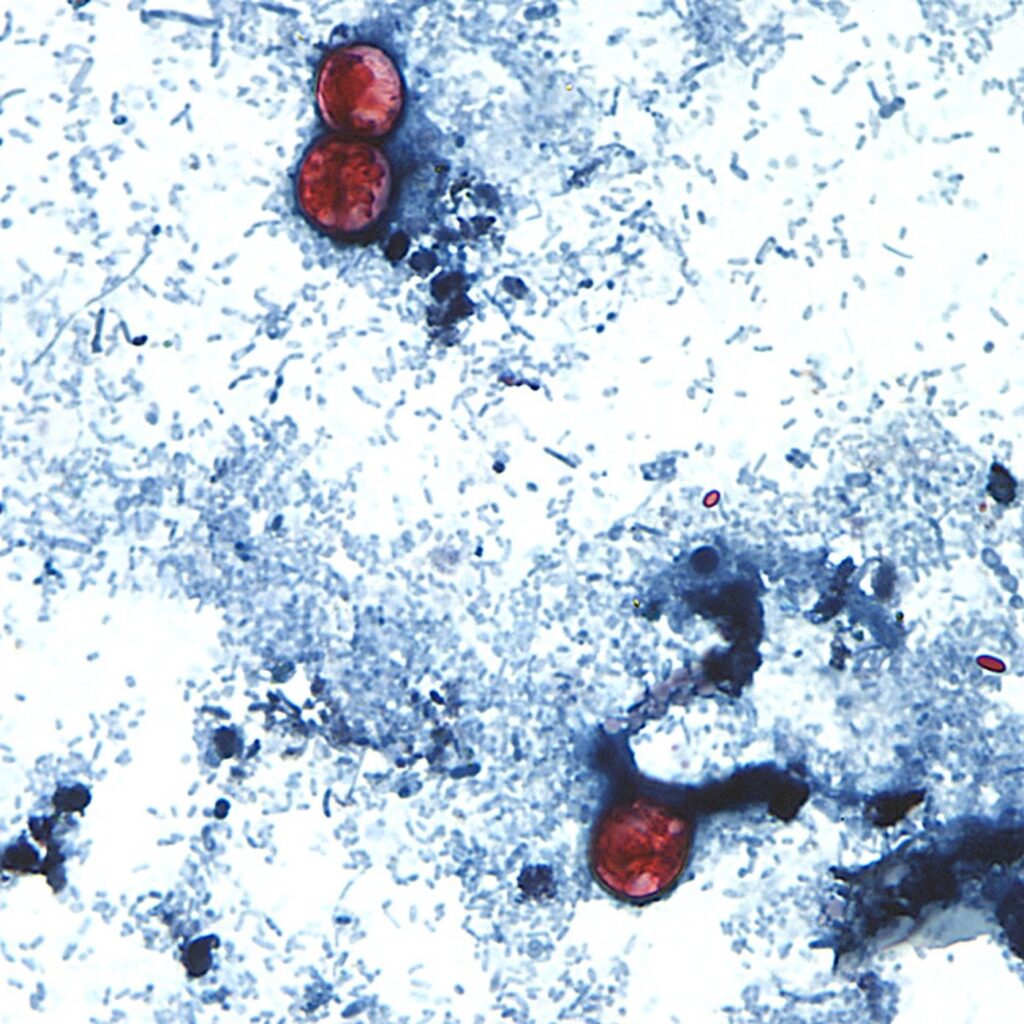
The Canadian Food Inspection Agency (CFIA) has announced that it currently has no plans to impose restrictions on fresh produce imports from the United States, despite a significant outbreak of cyclosporiasis — a diarrhea-causing parasitic illness — that has affected thousands of individuals across multiple states. According to data released on Tuesday by the U.S. Centers for Disease Control and Prevention (CDC), since May, nearly 7,000 individuals in various states may have been infected, with over 1,600 confirmed cases and an additional 5,100 still under investigation.
The majority of the reported infections are concentrated in Michigan, where health officials have identified over 3,000 cases. Preliminary assessments have suggested that lettuce or salad greens may be potential sources of the outbreak. However, the Michigan health department has clarified that no specific produce grower or supplier has been definitively linked to the outbreak, leaving the door open for other foods to be investigated as potential sources of the contagion.
The Public Health Agency of Canada (PHAC) stated on Tuesday that it is not currently investigating any outbreaks of cyclosporiasis within the country. The CFIA emphasized that it is closely monitoring developments in the United States and is prepared to implement any necessary actions to safeguard the food supply.
The CFIA is responsible for food safety and routinely conducts tests for cyclospora as part of its surveillance programs. This monitoring includes fresh whole and cut leafy vegetables, including both bulk and pre-packaged lettuce and salad mixes, as well as fresh herbs like cilantro and basil, as well as raspberries and blackberries. The agency noted that this year-round surveillance is particularly intensified during periods of elevated risk, such as spring and summer when fresh produce imports surge.
The CFIA spokesperson mentioned that the measures could include targeted import controls, additional import requirements as needed, increased sampling and testing activities, and other preventive measures to mitigate risks before products reach Canadian consumers.
Understanding Cyclospora
Cyclospora is a parasite that is not transmitted from person to person. It can only infect a person once the parasite exits the body via feces. The PHAC highlights the requirement for the parasite to be outside the body for roughly one week to 15 days to spread. Food contamination can occur when the feces of an infected person contaminates water supplies used for crop irrigation or food processing.
The symptoms of cyclospora infection typically manifest a couple of weeks after exposure and may include watery diarrhea, bloating, gas, nausea, fatigue, stomach cramps, loss of appetite, weight loss, and mild fever. The illness generally lasts six to seven weeks, with symptoms sometimes resolving and then reappearing.
Staying Safe from Cyclospora
Mark Johnson, a spokesperson for PHAC, noted that cyclospora is not frequently found on food and is not present in Canada’s drinking water, which makes consuming local produce a safer option for reducing the risk of illness. Historically, foods imported into Canada that have been linked to cyclospora include basil, cilantro, raspberries, blackberries, mesclun lettuce, snap and snow peas, as well as pre-packaged salad mixes.
Dr. Susy Hota, the head of the division of infectious diseases at Toronto’s University Health Network, advised consumers to always wash fresh fruits, even if labeled as pre-washed, particularly if they have been stored for an extended period. She noted that pre-packaged salad greens could harbor contaminants. While washing produce is essential, it cannot guarantee complete safety from foodborne illnesses, as washing may not eliminate all pathogens.
Cooking produce from countries known to have cyclospora, such as Peru, Cuba, India, Nepal, Mexico, Guatemala, Southeast Asia, and the Dominican Republic, may significantly reduce the risk of infection. Diagnosis of the illness is typically conducted through a stool sample, and treatment involves a prescription antibiotic, with symptoms often improving within two to three days after starting medication. However, intestinal symptoms might take several weeks to fully resolve. Canadians who suspect they have contracted a cyclospora infection are urged to reach out to their healthcare provider for further assistance.








