

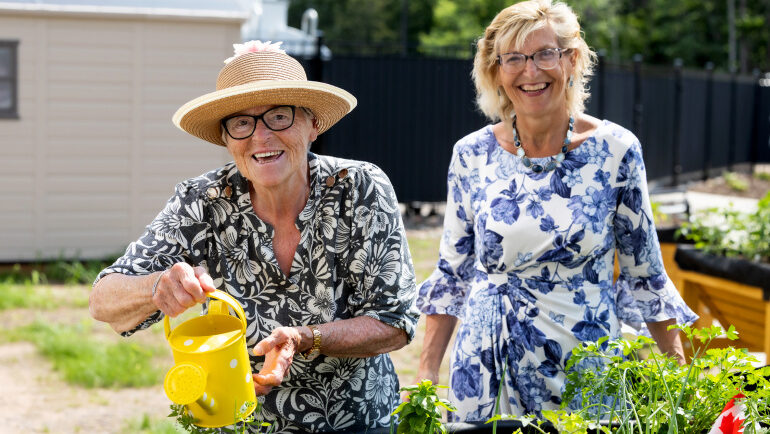
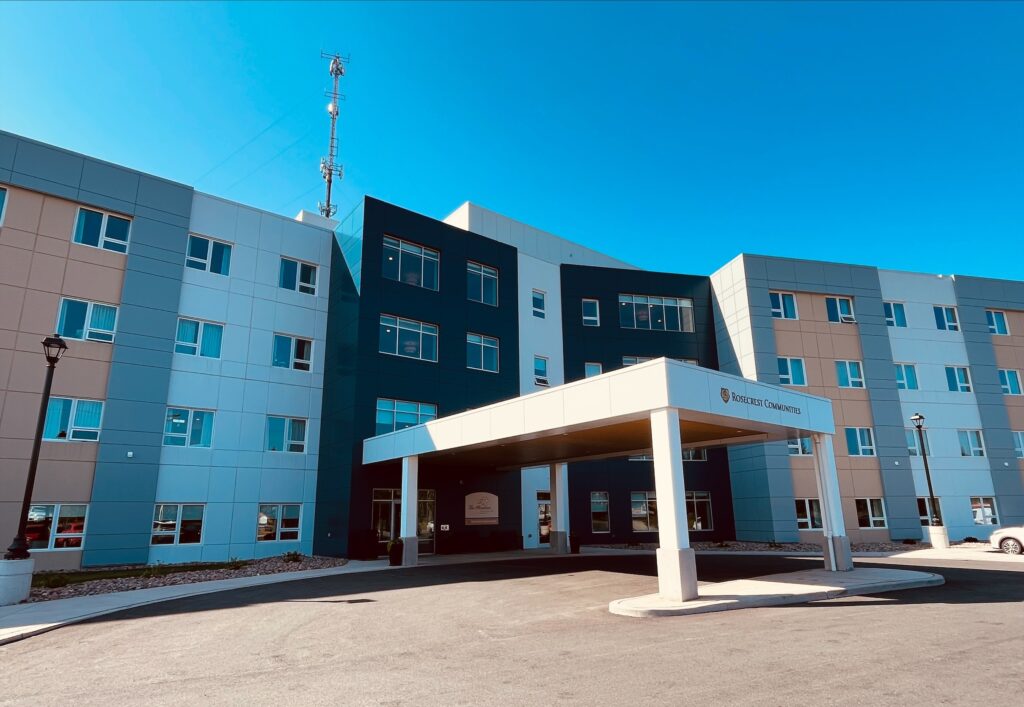
Older Nova Scotians needing a place to live have another option as a long-term care home named Rosecrest The Meadows has opened in Lower Sackville. This facility, managed by Rosecrest Communities, features a modern design and accommodates 144 residents in single bedrooms, each with private washrooms. It marks the seventh addition to the provincial strategy aimed at constructing 5,700 new and replacement long-term care beds across Nova Scotia.
Since its grand opening on July 16, 2026, 100 residents have already moved into the home, with additional residents expected in the following weeks. Among the first to move in was the grandfather of Maddie White, who requires ongoing care despite being the inaugural resident. White expressed that her grandfather has had a positive experience at The Meadows, highlighting the bright environment and attentive staff. She noted that the family feels reassured knowing he is receiving quality care.
The grand opening event included tours of the facility, showcasing amenities such as a physiotherapy space, a hair salon, a community room, and a large outdoor space for residents to enjoy. Laurie Parsons, the Administrator of Rosecrest The Meadows, reflected on the meticulous planning and effort that went into creating the facility. She expressed gratification in seeing the vision for The Meadows become a reality, emphasizing the collaborative community spirit among residents, families, volunteers, and staff.
Loneliness and Financial Strains Among Older Adults
In addition to the positive developments in long-term care, a report published earlier this year by the National Institute on Aging surveyed over 6,000 adults aged 50 and older, providing insights into their perspectives on aging in Canada. The findings revealed that while 57% of respondents maintained a positive view of aging, this represents a decline from 62% in 2024. This drop marks a shift after several years in which sentiments had remained stable.
Talia Bronstein, the Director of Policy at the National Institute on Aging, pointed out that older adults are increasingly facing financial challenges that hinder their ability to retire as planned. The data indicated that 43% of survey participants now feel unable to retire when they had hoped, compared to 38% just two years prior. Additionally, issues of social isolation and loneliness persist, with 43% of those surveyed at risk of social isolation and 59% reporting feelings of loneliness, which have remained conspicuously unchanged over the last four years.
The overall trends illustrate a more pressing need for support systems and resources for older adults, particularly as they navigate the complexities of aging, health care, and social connections.








