

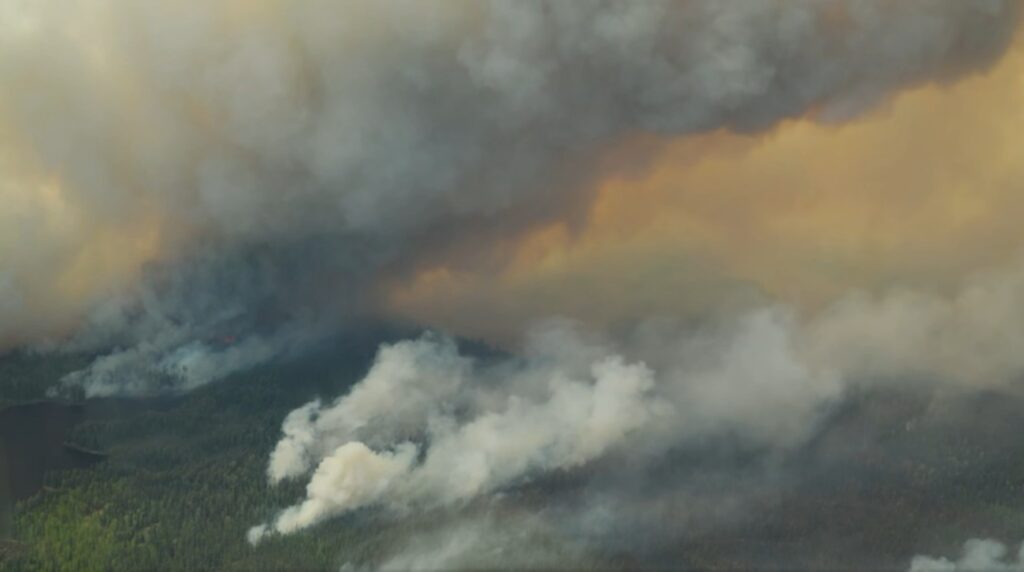
The alarming yellow-orange haze that enveloped much of southern Ontario recently was a result of smoke drifting from wildfires in northwestern Canada, rather than a mere atmospheric filter. On a Wednesday, Toronto experienced the unfortunate distinction of having the worst air quality in the world, as reported by IQAir. This concerning air pollution raised questions about the region's preparedness for such environmental crises and whether preventative measures could have been implemented to mitigate the impact.
As the city of Toronto anticipates improvements in air quality as it approaches the weekend, residents and officials alike ponder the circumstances that led to the current situation. Was Ontario adequately equipped to handle the devastating effects of wildfire events? It appears that many are left wondering why there was a lack of readiness for the escalating risks associated with wildfire seasons.
In a recent discussion, host Maria Kestane engaged with Dr. Lori Daniels, a professor at the University of British Columbia in the faculty of Forestry and Environmental Stewardship. The conversation focused on the factors that contributed to Ontario's current air quality crisis and potential strategies to enhance preparedness for upcoming wildfire seasons.
The discussion shed light on the increasing frequency and intensity of wildfires, which are becoming a more pressing concern due to climate change. Scientists and environmental experts are warning that without significant changes in how we address fire management and prevention, the situation could worsen in the future. Dr. Daniels emphasized the importance of understanding how ecosystem management practices can influence wildfire behavior, suggesting that proactive measures should be taken to reduce the risk of catastrophic fires.
Moreover, the conversation highlighted the role of community engagement and education in building resilience against wildfires. Public awareness campaigns about fire safety, as well as informing communities on how to prepare for the possibility of wildfires, were proposed as essential steps in improving the overall preparedness of the region. These initiatives could help mitigate damages not just to property but to public health as well, given the detrimental effects of poor air quality.
As people in Southern Ontario reflect on the unfolding environmental crisis and its implications, the urgency for policy change becomes palpable. Investing in infrastructure for better forest management, monitoring air quality more consistently, and addressing climate change are key elements identified as necessary for future prevention efforts. The conversation between Kestane and Dr. Daniels serves as a crucial reminder that systemic changes are essential in combating the increasing threat of wildfires and their associated health hazards.
In conclusion, the situation in Ontario prompts a reconsideration of how regions at risk from wildfires can better prepare for the future. As the effects of smoke linger in urban areas, affecting air quality and public health, it is essential for authorities to take immediate and long-term steps to safeguard both the environment and the well-being of their communities.








