

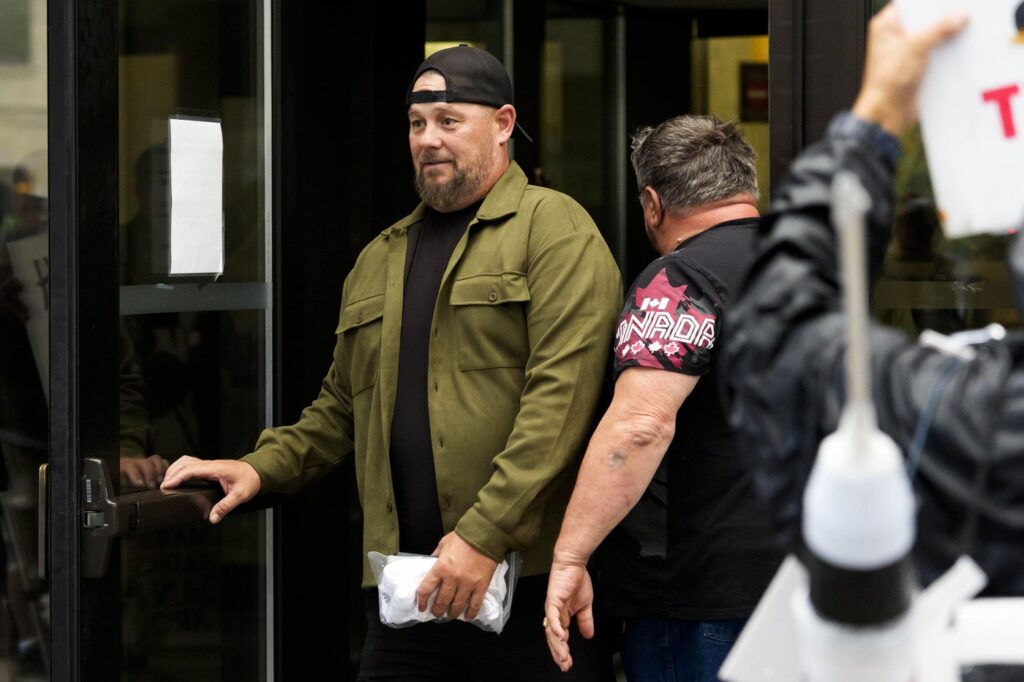
The Ontario Court of Appeal has reached a significant decision regarding Pat King, an organizer of the controversial "Freedom Convoy." The court found King guilty of intimidation and has called for a new sentencing hearing. This development is a critical update in a case that has garnered substantial attention due to the widespread impact of the convoy on the city of Ottawa.
Pat King was charged with multiple offenses linked to his prominent role in the February 2022 demonstration, which led to the blockade of downtown Ottawa for over three weeks. The protest was initially aimed at opposing COVID-19 mandates and restrictions but evolved into a broader expression of discontent. King faced several charges, including five counts of mischief, counselling mischief, and failing to comply with a court order. After his trial, he received a conditional sentence of 12 months, a decision that sparked public debate regarding the severity of the consequences for his actions.
During the trial, King was acquitted of three counts of intimidation, which suggested that the initial judicial determination did not see sufficient evidence to support these claims. However, the recent ruling by the Ontario Court of Appeal overturned that acquittal, emphasizing errors made by the trial judge regarding the application of the law in this context. The appellate judges concluded that the actions of King and others involved in the convoy constituted "a coordinated, targeted attack on Ottawa residents" with the intent of coercing change through disruptive and criminal activities.
The appeal court's ruling is notable not only for its legal implications but also for its social consequences, as it sheds light on the actions taken by organizers and participants of such large-scale protests. The description of the convoy's conduct as a "highly disruptive criminal act" signals a firm stance on the accountability of protest leaders, particularly when such actions infringe on the rights and daily lives of local residents.
As the legal process continues, the implications of this decision are likely to resonate throughout discussions on civil liberties and the rights of individuals to protest. It raises questions about the balance between freedom of expression and the responsibilities of organizers to ensure that their demonstrations do not infringe upon public order and safety.
This ruling is poised to have a lasting impact on how similar protests may be handled in the future, as it establishes a precedent for legal interpretations of intimidation and mischief related to public demonstrations. The new sentencing hearing will determine the appropriate consequences for King's involvement, and it will be closely watched by both legal experts and the public alike.








