

OTTAWA — Despite a national downward trend in vehicle thefts, a significant portion of Canadians remain concerned about the effectiveness of their vehicles' anti-theft technology. An Angus Reid survey commissioned by Équité Association, a non-profit organization focused on anti-fraud measures, revealed that nearly 80 percent of Canadians believe their vehicles are vulnerable to theft.
Bryan Gast, the vice president of investigative services for Équité, shared that the survey results align with his expectations. He highlighted that the methods used in modern auto theft have evolved significantly. Instead of using physical tools such as crowbars, organized crime groups now employ advanced technology, including key fob relay attacks and reprogramming techniques to circumvent vehicle security systems. Gast emphasized the need for a shift toward preventative measures to effectively reduce auto theft rates in Canada.
According to a February report by Équité Association, although vehicle thefts in Canada saw a sharp decline in 2025, the number of reported thefts was still substantial, with nearly 47,000 incidents recorded. Alarmingly, over one-third of these stolen vehicles were never recovered. In reaction to this ongoing issue, the federal government introduced a national action plan in 2024 aimed at confronting organized crime involved in auto thefts, which includes implementing stricter penalties, enhancing container inspections, and improving intelligence sharing among law enforcement agencies.
The March report revealed that while the new strategies appeared effective in combating auto theft, Canadians still feel at risk from car theft rings and rising vehicle finance fraud, particularly at shipping ports in Montreal and Halifax. Additionally, Équité Association advocates for the standardization of strong anti-theft technologies in all new vehicles, highlighting a public interest in security features. The Angus Reid survey indicated that 60 percent of Canadians support government-mandated protection measures in new vehicles, while 75 percent believe such technologies are essential.
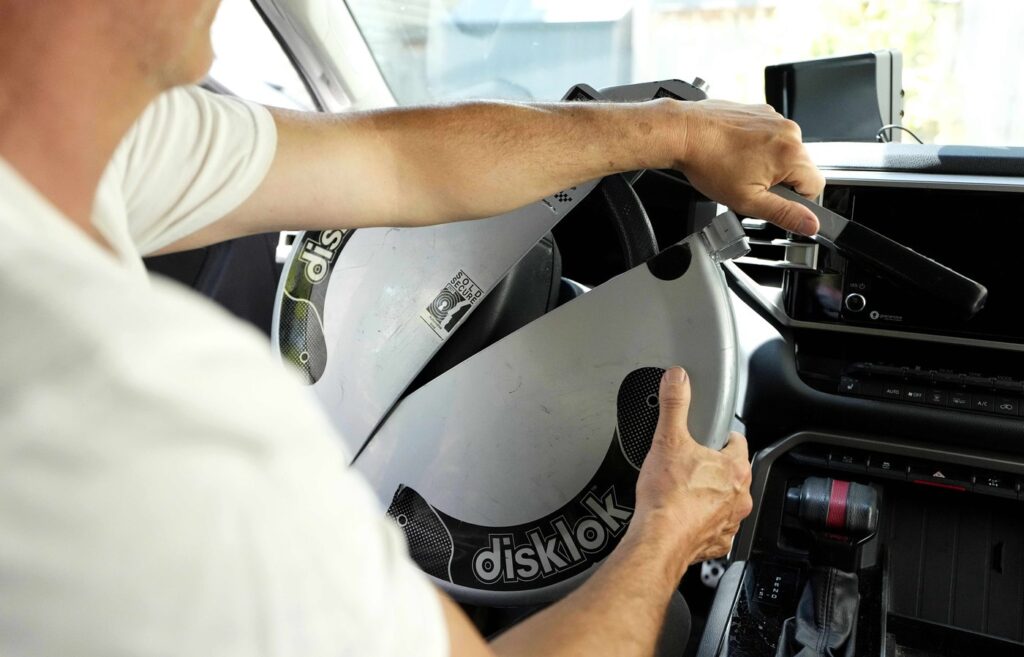
In response to the current situation, Bryan Gast recommended that consumers adopt a multi-layered approach to vehicle safety. Simple measures such as parking in garages, ensuring doors are locked, and investing in immobilizers and tracking devices can create significant barriers for potential thieves. Gast noted that making a vehicle less appealing to steal increases the time and effort required by criminals, potentially discouraging theft.
Breaking down the data further, Équité’s February report indicated that Quebec experienced the most significant reduction in auto thefts in 2025, with a decrease of 25 percent. This was followed by Ontario with a 22 percent decline and Western Canada with an 11 percent reduction. In contrast, Atlantic Canada saw only a minimal decline of two percent.
While the recovery rate for stolen vehicles remains low, the report highlighted that nationally only 59 percent of stolen vehicles are recovered. In Ontario and Quebec, around half of the stolen vehicles are never found, leading experts to believe that many are either dismantled in so-called "chop shops" or exported. Alberta led the provinces with a 71 percent vehicle recovery rate, yet it is often seen as a "feeder province" for stolen cars registered from other regions.
This evolving landscape of vehicle theft emphasizes the continuing need for robust security measures and proactive strategies for prevention, both from law enforcement and individual vehicle owners across Canada.








