

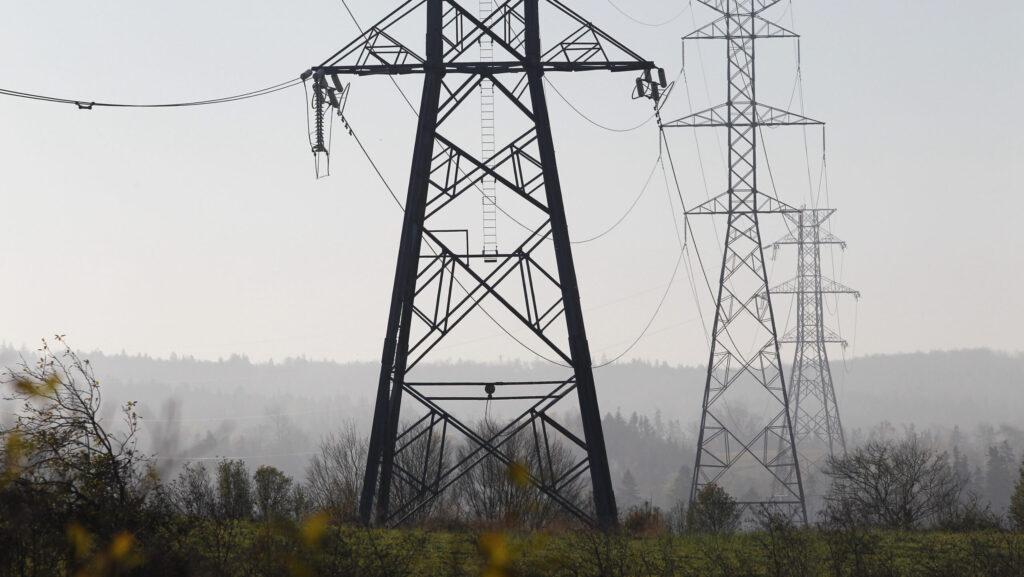
Three Atlantic provinces—New Brunswick, Nova Scotia, and Prince Edward Island—are exploring the establishment of a new Maritime electricity system operator. This initiative is part of a comprehensive memorandum of understanding that the three provinces signed during a meeting of Canada's premiers in Charlottetown, P.E.I., this week.
Tim Houston, the Premier of Nova Scotia, emphasized the importance of modernizing the electricity system, stating, "Over the past five years, Nova Scotia has made significant advances in modernizing our electricity system, and we owe it to ratepayers to keep looking ahead at what more can be done." The provinces argue that this new collaboration would not only help maintain energy affordability but also ensure the reliability of the electrical grid.
Premier Susan Holt of New Brunswick expressed confidence in her province's capability to play a central role in powering Canada’s energy future, positioning New Brunswick as the power hub of the Maritimes. "From our leadership in nuclear energy to stronger electricity interties across the region, New Brunswick is well positioned to help build a cleaner, more reliable, and more resilient electricity system," she stated.
In addition to these developments, the federal government is investing $5.9 million into two new 200-megawatt submarine cables that will connect New Brunswick and P.E.I. This investment highlights the commitment of both provincial and federal governments to enhancing energy infrastructure in the region.
Recommendation Backed by Environmental Group
The Ecology Action Centre (EAC) has also released a report outlining how the Atlantic provinces could establish a coordinated power grid. Thomas Arnason McNeil, senior energy coordinator at the EAC, stated, "As Atlantic Canadians, we take pride in our willingness to help our friends and neighbours when the power goes out. But when it comes to planning and operation of our power grid, our decision-makers have put up barriers to trade and collaboration between provinces." He stressed the need for the provinces to cooperate during emergencies to ensure reliable and affordable electricity.
The EAC report details that Atlantic Canada wouldn't be embarking on this initiative blindly, as the proposed models would be influenced by successful power systems already in place in New England, central United States, and California. According to McNeil, the lack of collaboration among the provinces has resulted in lower power reliability and higher electricity costs for residents.
The report, produced by Dusky Energy + Climate Partners, outlines various recommendations aimed at developing a coordinated power grid, ultimately aimed at enhancing reliability, reducing costs, and increasing the integration of renewable energy sources.
Overall, the potential collaboration between the Atlantic provinces, supported by federal investment and advocacy from environmental organizations, underscores a significant shift toward a more integrated and sustainable energy future in the region.








