

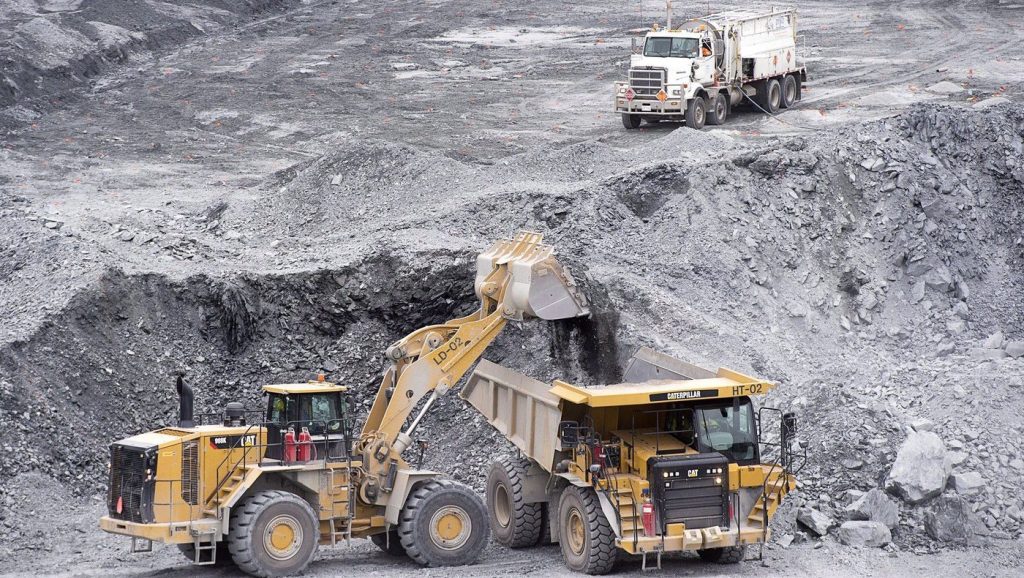
The Nova Scotia government has reported a significant increase in activity within the province's mining sector over the past few months, which has been described as "undeniable" by Tory Rushton, the Minister of Natural Resources. In recent statements, he has highlighted the advancement of major projects that are set to support local communities, create jobs, and contribute to economic growth.
Rushton noted that global uncertainties, particularly regarding U.S. tariffs applied at a substantial 50 percent on various imports, including hockey sticks and wine, have prompted the province to turn its focus toward mining as a viable economic solution. In a roundtable discussion with industry leaders, he announced that plans are underway to reopen a zinc mine in Halifax County. Scotia Mine Ltd. has received approval to modify its industrial permit to restart operations.
The reopening of the Scotia Mine is particularly significant as it is expected to produce zinc—a critical mineral utilized in renewable energy technologies, batteries, and electric vehicles—as well as lead used in batteries and gypsum important for housing and agriculture. According to Minister Rushton, this first project to gain approval under the province's new mining strategy could create approximately 150 jobs over its operational lifespan of more than 14 years, thereby bolstering the local economy.
Environmental Concerns Raised
Despite the optimistic outlook from government officials, there are growing concerns among environmental advocates regarding the potential impacts of mining activities on Nova Scotia's landscapes. Experts have raised alarms over the ongoing environmental effects associated with mining operations, especially as mines are reopened or new projects are proposed.
A study conducted by researchers at Dalhousie University revealed deficiencies within the environmental review process pertaining to mining in Canada. Their findings suggested that around 20 percent of the reviewed projects had incomplete or missing data within public records. An investigation into environmental assessments conducted prior to 2000 showed that, despite Nova Scotia's requirement for assessments beginning in 1989, many of these records were maintained in manual formats and lack comprehensiveness. Dr. Alana Westwood, the report's lead author, emphasized the importance of baseline data to understand potential environmental impacts, warning that cumulative effects from mining could lead to severe consequences such as pollution or groundwater contamination.
This report was compiled from available environmental impact assessments related to mining projects dating back to 1974, totaling 266 assessments across 227 projects over a span of 50 years. However, the researchers faced difficulties in gathering adequate data, revealing the complexity and lack of oversight in regulating this significant sector. Canadian mining constitutes about six percent of the national economy, yet it also poses considerable environmental risks, with estimates suggesting there are over 10,000 abandoned mines across the country that may continue to pollute ecosystems without responsible management.
As the Nova Scotia government celebrates the revitalization of its mining sector, the juxtaposition of economic potential against environmental sustainability remains a critical point of discussion. While the prospect of job creation and economic growth is promising, it is crucial to address the environmental implications that such activities entail.








