

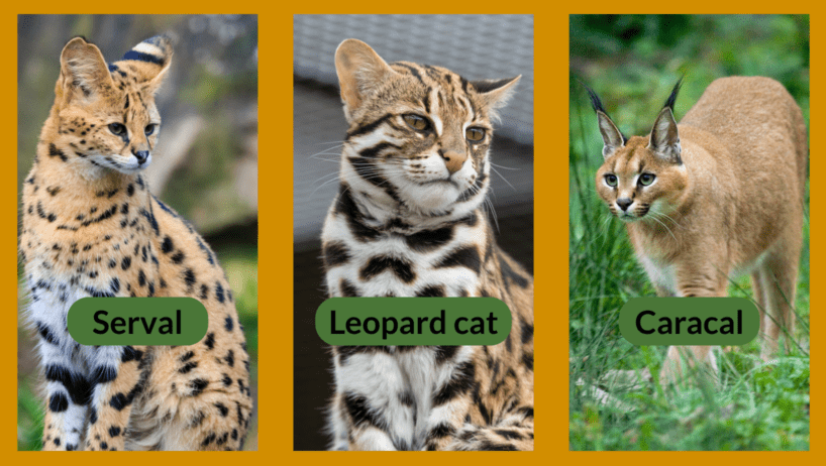
In British Columbia (B.C.), owning exotic cats such as lions and tigers is illegal, a regulation that is consistent across many regions due to significant safety, ethical, and conservation concerns associated with exotic large cat ownership. These laws have been instituted in response to numerous preventable tragedies that often arise from the mishandling of such powerful animals. However, there exists a category of cats that are larger than domestic breeds yet smaller than giants like cheetahs, which has remained largely unregulated until recently.
In a recent discussion, host Caryn Ceolin engages with Michelle Cyca, the conservation and fellowships bureau chief for The Narwal, to delve into the intricacies surrounding B.C. government's newfound regulations on ownership of certain larger cat breeds. This conversation sheds light on the motivations behind the government's decision and explores how it will impact individuals who currently own such cats, as well as the future of these animals that have been raised in captivity.
As society increasingly recognizes the complexities of caring for exotic animals, B.C.'s move to regulate the ownership of mid-sized cat breeds marks a significant step in animal welfare. Many of these breeds, though not as large or dangerous as their exotic counterparts, nonetheless pose unique challenges for owners who may not have the necessary experience or resources to provide adequate care. The lack of regulation in this area has resulted in a growing concern among conservationists and animal welfare advocates, who argue that stricter controls are necessary to ensure the health and safety of both the animals and the public.
During the podcast, Cyca discusses the scope and implications of the new regulations, which are aimed at addressing the welfare of animals already kept in captivity while also preventing future ownership of unregulated breeds. The conversation highlights the fact that previous loopholes allowed individuals to acquire and care for larger cat breeds without oversight, leading to potential risks for both the animals and their surroundings. Cyca also addresses concerns regarding the transition for those who may already own such cats and how the government intends to manage these cases.
The implications of this regulatory change can be profound, as it puts into perspective the responsibilities that come with owning an exotic or larger breed cat. Potential owners will need to consider their capabilities in providing a suitable environment and proper care for these animals. The proposed regulations reflect a broader trend of increasing awareness around wildlife conservation and animal rights, calling for responsible pet ownership and informed decisions regarding animal care.
Listeners can access the entire conversation and gain further insights by tuning into The Big Story podcast, available on platforms like Apple Podcasts and Spotify. This major shift in B.C.'s stance on larger cat breed ownership serves as a reminder of the ongoing efforts needed to balance human interests with the welfare of exotic animals in our communities.








