

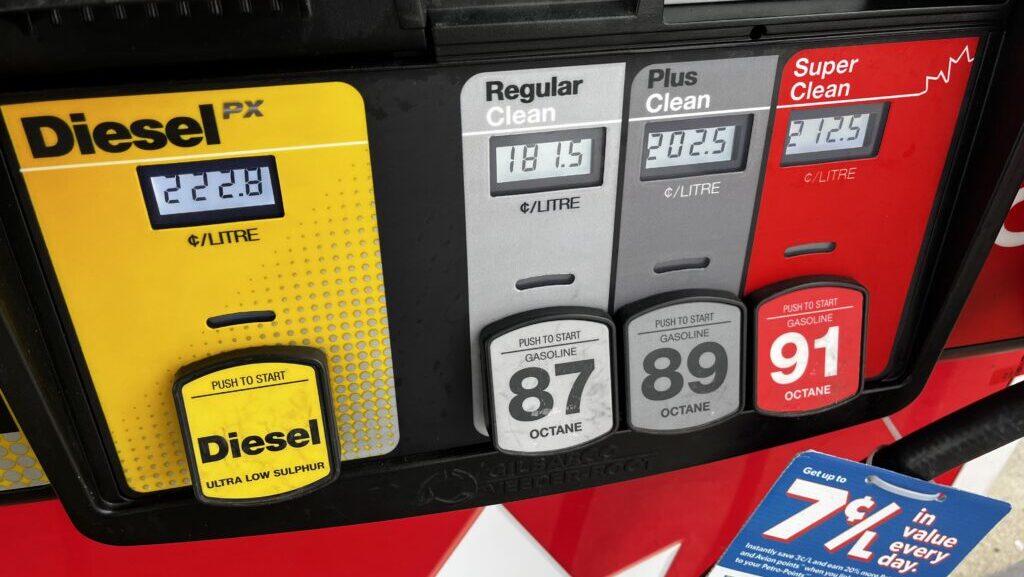
Nova Scotians are currently facing increased gasoline prices as geopolitical unrest pushes crude oil costs to their highest levels in over a month. The Nova Scotia Energy Board has announced a rise in gasoline prices by 5.7 cents, bringing the average cost to 192.6 cents per liter across the province. Diesel prices saw an even more significant increase of 6.2 cents, now standing at 233.0 cents per liter. The rising diesel prices have shown greater volatility, with the board utilizing the interrupter clause three times in July alone. Notably, on July 15, diesel prices surged by over 10 cents, marking a substantial spike within the month.
In stark comparison, gas prices have experienced less drastic increases and have not triggered the use of the interrupter clause. During the same period last year, Nova Scotians were paying approximately 145.2 cents per liter for gasoline and 158.0 cents for diesel, highlighting the substantial jump in prices over the past year.
Check out the price of gas across Nova Scotia
Experts attribute the sharp price increases in gasoline to the ongoing conflict involving the United States and Iran. Currently, West Texas Intermediate crude for September delivery is trading above US$92 per barrel, reflecting almost a six percent rise from the previous day. The price of Brent crude, a benchmark for international oil prices, has also surpassed the US$100 mark, a level not seen since May.
According to Patrick De Haan, head of petroleum analysis at GasBuddy, there is a possibility of an additional rise of five to 10 cents over the next week or two as the effects of the recent crude price surge permeate through the supply chain. The escalation in global oil prices has been largely driven by geopolitical tensions since February when the U.S. and Israel began military operations against Iran, resulting in severe disruption of oil tanker shipments through the Strait of Hormuz.
Furthermore, tensions in the Middle East have exacerbated the situation. Recent attacks attributed to Yemen's Iran-backed Houthi rebels on two Saudi oil tankers in the Bab el-Mandeb Strait, which connects the Red Sea to the Gulf of Aden, further threaten the stability of oil supply chains. Additionally, continued Ukrainian assaults on Russian refineries have contributed to global shortages of diesel and jet fuel, compounding the challenges facing consumers and businesses alike.
This surge in fuel prices coincides with the peak summer driving season, raising additional concerns for travelers. Despite the increased prices, experts suggest there will be little immediate change in gasoline consumption patterns among Canadians as travel plans are largely set for the summer.
With files from Lauren Krugel, The Canadian Press.








