

TORONTO - First Nation chiefs and community members are emphasizing the increased dangers faced by evacuees from northern Ontario wildfires. Those sheltering in Toronto hotels are encountering heightened safety risks associated with drugs, alcohol, and human trafficking.
Cat Lake First Nation Chief Russell Wesley has expressed his concerns following the evacuation of more than 450 community members to Toronto last week. He states that he wishes to see them return home as soon as possible. Chief Wesley indicated that the community was not given the autonomy to select their evacuation destination. If given the choice, he would have preferred to keep residents closer to home where they could uphold cultural practices like fishing and hunting and reduce the disruption to their daily lives.
In a hotel in Toronto located off Highway 401, where the Cat Lake residents are currently sheltered, Chief Wesley highlights the "social cost" of First Nations lacking the authority to manage their own evacuations. The environment has raised serious safety concerns for residents, with the community's social worker, Chantal Wesley, admitting to sleepless nights worrying about the safety of individuals returning to their hotel rooms. There have already been incidents involving security guards and "predators" at the hotel.
Of the 13 communities evacuated due to nearly 180 wildfires ravaging northern Ontario, twelve are First Nations. Chantal Wesley noted that some community members resort to drinking as a coping mechanism for the historical trauma linked to the residential school system. While these issues were already pressing in their remote community, the evacuation has significantly worsened the situation.
These concerns resonate with members of the Neskantaga First Nation, who similarly evacuated to a Toronto hotel as thick smoke from the wildfires engulfed their homes and disrupted food and water supply deliveries to their isolated community. Chief Gary Quisess reported a specific security incident where a young mother was approached by an individual in a vehicle, raising alarms about potential human trafficking.
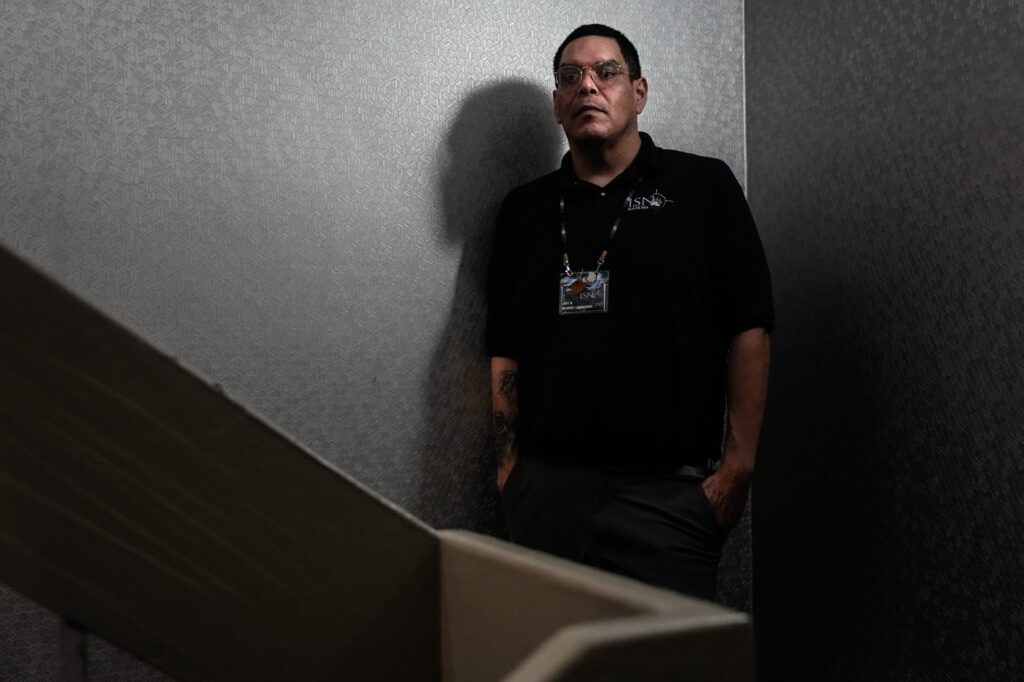
Joey Morningstar, a manager with ISN Maskwa, an Indigenous-led emergency management organization providing support to Neskantaga during the evacuation, stated that safety issues related to alcohol and human trafficking emerge frequently after First Nation communities evacuate. He reflected on previous evacuations where individuals have succumbed to overdoses because drugs and alcohol are more readily available in urban settings compared to their home communities. Morningstar emphasized that vulnerable individuals often do not have to seek out these substances; they "will find them in a lot of the cities" where they are preyed upon.
Riley Yesno, an Anishinaabe scholar and member of the Eabametoong First Nation, captured the complexity of the situation by identifying evacuees as "climate refugees" in their own homelands. She criticized the expectation placed on evacuees to behave in a certain manner and to express gratitude for any support they receive during this distressing time.
As conditions around the Cat Lake First Nation improve, with a lower wildfire risk in the area, Chief Russell Wesley is working to facilitate the return of residents as early as next week, with assistance from the provincial government. Social worker Chantal Wesley expressed a desire to return home despite the inherent risks. She posed a difficult question regarding safety, asking, "Is it more dangerous for us to be in the Greater Toronto Area, or is it more dangerous for us to go home and be with the fire?" This statement emphasizes the dire circumstances and tough choices faced by the community.








