

CEUTA, Spain (AP) - Over the weekend, Ceuta appeared less tense than in the previous days, but the impact of the recent migrant surge remained fresh in the minds of its inhabitants. A significant number of the approximately 60,000 migrants who had crossed into the tiny Spanish exclave in North Africa returned to Morocco by Sunday, though some sought to remain hidden within the city. Meanwhile, Spanish civil guard ships continued their search for migrant bodies in the waters near the urban beach that thousands of migrants had breached.
As shops reopened, the familiar mix of residents and tourists filled Ceuta’s open-air terraces, restaurants, and cafes. Nevertheless, the city, known for its rich tapestry of cultures, was grappling with the consequences of the border surge. Opinions varied among locals regarding the causes of the influx and responsibility for the situation.
Authorities reported that at least 72 migrants died during the ordeal, with some drowning and others losing their lives in a stampede while attempting to cross a breakwater barrier. This humanitarian crisis has reignited the immigration debate across Europe and beyond. Mohamad Abdelkader Driss, a 44-year-old waiter, stated, "It's not the young men's fault. If you open the border, of course everyone comes in, but the young men aren't to blame. The authorities are responsible." This sentiment was echoed by some returning migrants, who described a situation where the border appeared effectively open, with authorities taking little action as waves of individuals crossed.
The unprecedented arrival of between 50,000 to 60,000 migrants swelled Ceuta's population by over half in just two days. While Driss expressed sorrow over the events, he noted that the conduct of those who breached the border could have been much worse.
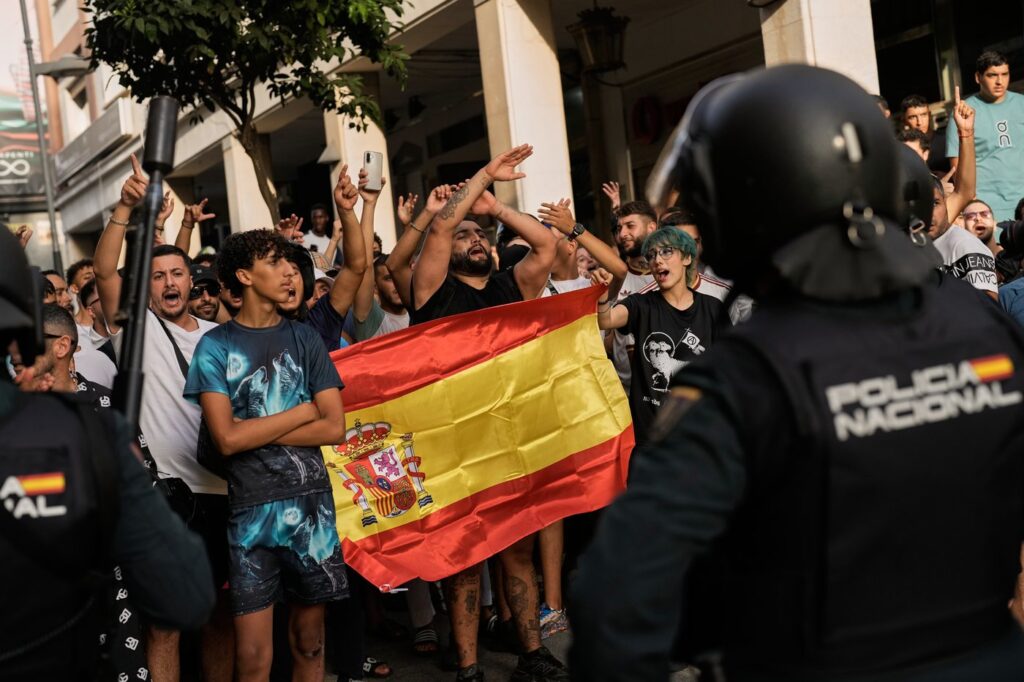
In response to the situation, far-right politicians have called for the expulsion of the remaining migrants. During the weekend, anti-immigrant leaders and prominent right-wing influencers descended on the city, leading to counterprotests from members of Ceuta's sizable Muslim population, many of whom have Moroccan heritage. Alvise Pérez, a far-right member of the European Parliament, demanded that the migrants be expelled while facing a hostile crowd. He eventually sought refuge in a bar as protesters surrounded him, necessitating police intervention for his exit.
Among the counterprotesters was Noor Ahmed, a 20-year-old student from Ceuta, who criticized Pérez and his supporters for exploiting the city's current humanitarian crisis for political gain. She remarked, "They just want to take advantage of the humanitarian crisis Ceuta is currently experiencing."
Santiago Abascal, the leader of the far-right Vox party, visited Ceuta on Sunday, labeling the surge in migrant numbers as "an invasion." He criticized the Spanish government for not adequately protecting Ceuta and Melilla's borders, calling them the "walls of our home and homeland."
Despite Ceuta's tradition of cultural tolerance, some residents expressed concern about the implications of the recent surge. Eva Barrientos, a local logistics worker, attended the protest to hear what Pérez and other right-wing figures had to say. She suggested that similar incidents could occur in the future and questioned the loyalty of some foreign-born residents to Spain. "We have always lived together. We have four cultures living very well, without any problems," she noted, adding, "But the only thing we are realizing now is that there is an enemy within."
Meanwhile, Pope Leo XIV expressed his concern about the "alarming situation in Ceuta," praying for "solutions of peace, stability and justice." Migration remains one of the Pope's priorities, a theme he emphasized during a recent visit to the Canary Islands, a significant entry point for migrants into Europe.








