

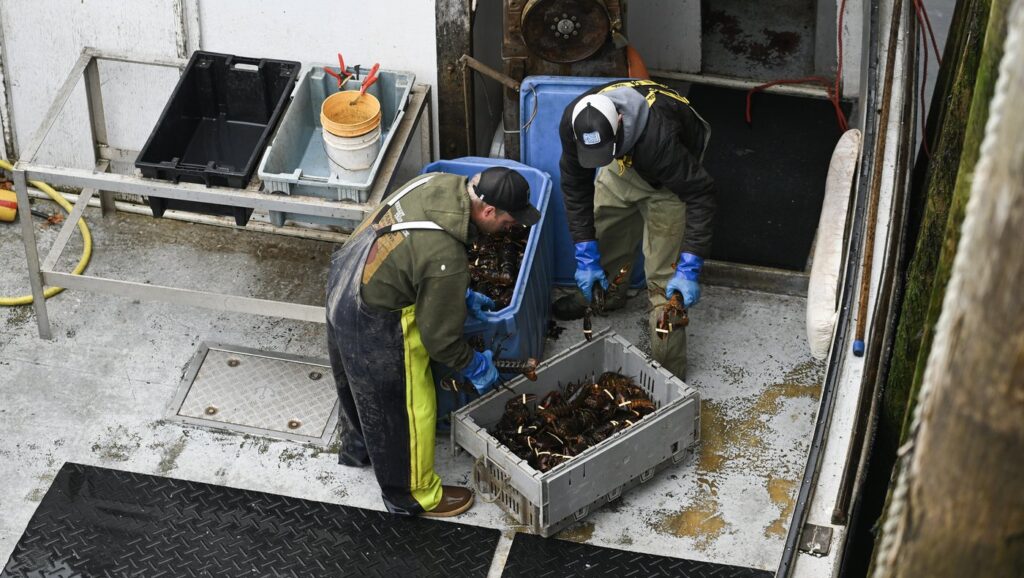
Federal researchers are currently investigating methods to address the decline in lobster catches in the Maritimes, as a new report highlights concerns regarding climate change and other factors contributing to population decreases in certain lobster fishing regions over recent years. The report indicates that reversing the trend will require a combination of both short-term and long-term strategies.
The researchers have proposed several potential measures, including the possibility of slightly shortening the lobster fishing seasons, enhancing protections for egg-laying females, and making amendments to the minimum and maximum size limits that harvesters are allowed to catch. Kris Vascotto, the executive director of the Nova Scotia Seafood Alliance, has expressed his belief that there will be minimal opposition from harvesters regarding these recommendations. He emphasized that while the report is based on scientific evidence, no definitive decisions have yet been made regarding these changes.
In addition to these measures, there are other ongoing developments in the lobster industry in the region. For instance, lobster harvesters are hopeful for stronger prices this spring, as they face rising costs related to fuel and various other expenses. A current shortage of lobsters coupled with increased demand following the removal of international tariffs has created a complex market situation that harvesters are keen to navigate effectively.
In another significant development, a group of high school students in New Brunswick has been recognized for their innovative proposal to create eco-friendly heart monitoring sensors using excess materials sourced from lobster shells. This creative application of lobster shell waste not only demonstrates the potential for sustainability but also showcases the ingenuity of youth in addressing environmental challenges.
On the legal front, a ruling by a Nova Scotia judge has clarified the rights surrounding Indigenous lobster fishing. The judge stated that disputes involving a First Nation's right to commercially fish for lobster out of season and without a license must be adjudicated at the federal level. This decision highlights the ongoing complexities and sensitivities surrounding Indigenous rights and resource management in the region.
Furthermore, reports indicate that while Nova Scotia's lobster sector has faced challenges due to tariffs imposed by China, there are signs of recovery as exporters begin to explore other international markets. The executive director of the Lobster Council has noted that efforts to attract customers beyond China are starting to bear fruit, providing a glimmer of hope for the industry amidst fluctuating trade dynamics.
Overall, the lobster fishing industry in the Maritimes is navigating a challenging landscape due to environmental changes, economic pressures, and regulatory complexities. The outcomes of these ongoing discussions and innovations will be crucial in determining the future sustainability and viability of lobster populations and the livelihoods that depend on them.








