

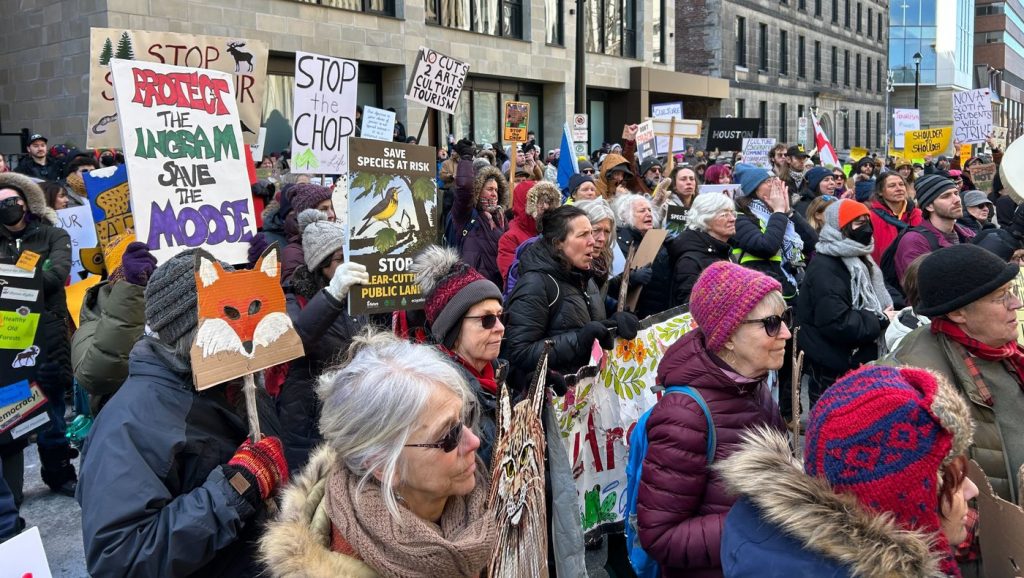
The chief clerk of the Nova Scotia legislature announced a temporary ban on 36 individuals from accessing the building. This decision follows allegations that these individuals caused disruptions during a recent legislative session. The protests were linked to a budget-related vote held on March 24, 2026, which turned late into the night.
James Charlton, the chief clerk, revealed that the legislature reviewed extensive security footage from the protest before issuing letters informing the banned individuals. The protest became particularly intense, culminating around midnight when some demonstrators blocked exits, preventing vehicles from departing the premises. Consequently, these actions led the Speaker of the legislature to make the decision to close the building to the public for one week.
The banning orders are set to begin on September 1, 2026, with the duration of bans varying between three to twelve months. Those who did not actively participate in the protest but remained in the galleries after the Speaker’s order to exit are facing a three-month ban. In contrast, individuals who interrupted the vote through their demonstrations or by verbally abusing members of the legislature face significantly longer bans, with those causing major disruptions receiving a full one-year exclusion.
Christine Saulnier, the director of the Canadian Centre for Policy Alternatives Nova Scotia, is one of the individuals affected by this ban. Saulnier claimed to have joined in humming a protest song, leaving approximately 15 minutes after the singing commenced. Furthermore, she stated that she exited the legislature without being instructed to do so by staff or security personnel. Despite her claims of reasonable conduct, Saulnier received a registered letter at her home on a Friday, informing her of the ban imposed against her.
Charlton elaborated on the nature of the bans, noting that those who were involved in protest activities and verbally abusive toward legislature members would face a year-long prohibition from the building. These measures were designed to maintain order and security within the legislative environment, ensuring that such disruptions do not occur in the future.
This incident not only highlights tensions over ongoing budget issues in Nova Scotia but also raises questions about the balance between public demonstration rights and the operational integrity of legislative proceedings. As the situation continues to develop, it remains to be seen how these bans will impact public engagement with the legislature and the broader discourse surrounding budgetary policies in the province.








