

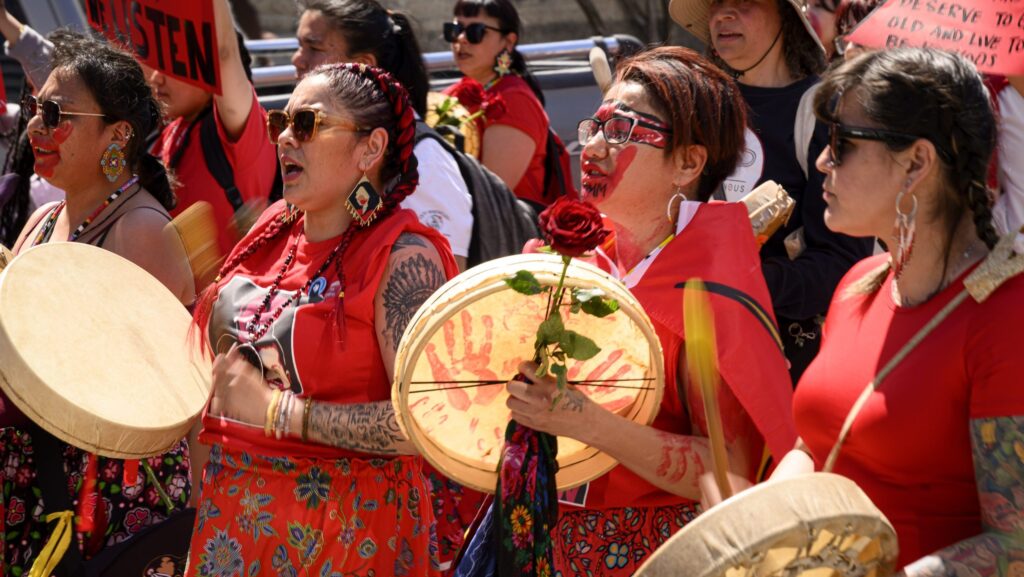
The issue of Missing and Murdered Indigenous Women and Girls (MMIWG) in Canada has persisted for decades, drawing attention to a tragic trend that has been largely overlooked. Dating back to the late 1960s, numerous women and girls disappeared, particularly along a notorious stretch of road in British Columbia called The Highway of Tears. This highway became emblematic of the systemic violence faced by Indigenous women. However, a worrying trend has emerged, revealing a new "highway of tears." Recent investigative efforts highlight the alarming way traffickers operate by utilizing online platforms for sex advertisements, which has facilitated the movement of victims across Canada.
A team from Thomson Reuters conducted an extensive study that traced the routes of traffickers by examining sex ads posted online. This investigation unveiled how various traffickers transported their victims along some of Canada's busiest highways and through major airports. Such revelations provide critical insights into the mechanisms of sex trafficking in the country, showcasing the urgent need for awareness and intervention.
To delve deeper into this grave issue, host Caryn Ceolin engaged in a conversation with Temur Durrani, a national correspondent for The Globe and Mail based in Manitoba. Durrani has conducted thorough coverage on the topic of sex trafficking and the recent findings, aiming to provide a comprehensive understanding of how these criminal enterprises function. The discussion seeks to illuminate the patterns of trafficking and explore potential measures that could be taken to combat this pervasive problem.
The use of technology in sex trafficking represents a chilling evolution of this crime, as traffickers adapt to modern tools to exploit and control their victims. By following the online trail of sex ads, researchers were able to establish a clearer picture of how victims are trafficked across vast distances, illuminating the often-hidden networks that facilitate this criminal activity. The findings present not only an opportunity for law enforcement to develop targeted strategies but also signal a need for community awareness and support systems for affected individuals.
This ongoing crisis highlights the vulnerabilities of Indigenous women and girls, who are disproportionately affected by violence and trafficking. It underscores the importance of addressing the root causes of such violence, including systemic racism, socio-economic disparities, and a lack of adequate support for Indigenous communities. As discussions around MMIWG gain traction, it becomes increasingly crucial to amplify Indigenous voices and include them in conversations about policy changes and community safety measures.
For those interested in further exploring the multifaceted aspects of this crisis, the conversation between Caryn Ceolin and Temur Durrani is available through Apple Podcasts and Spotify. This podcast provides an excellent platform for understanding the challenges and solutions related to MMIWG and sex trafficking in Canada.








