

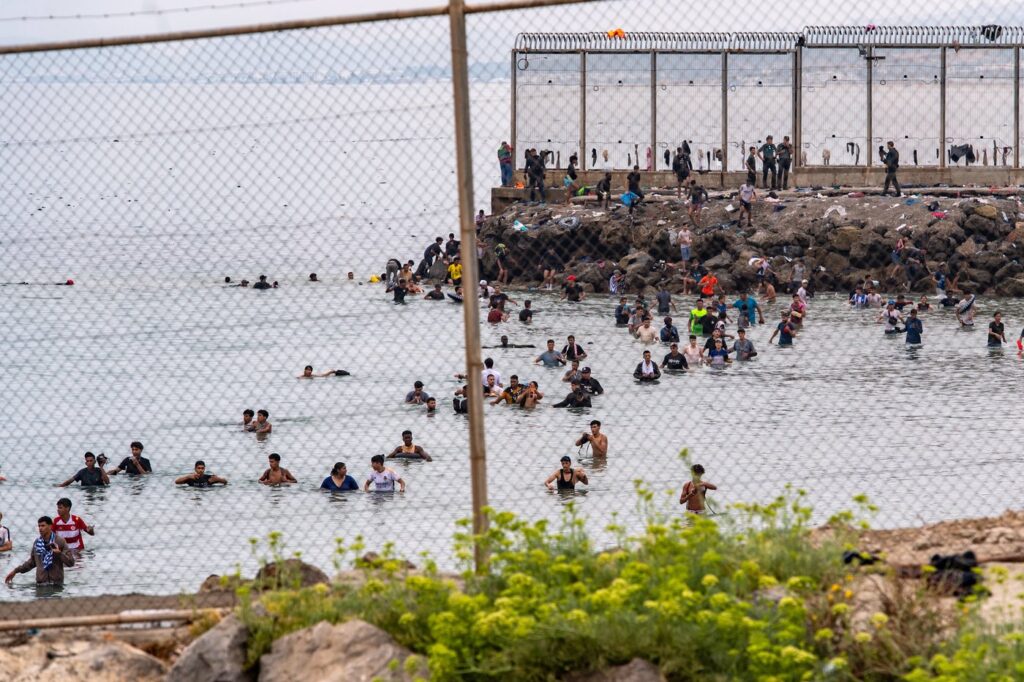
Recently, the Spanish city of Ceuta, located on the northeastern tip of Morocco, has been significantly impacted by a surge of Moroccan migrants attempting to enter Europe. This influx coincided with a period of heightened activity at border crossings, with tens of thousands of Moroccans attempting to cross into Ceuta, some even attempting to swim across the perilous Strait of Gibraltar. Tragically, this endeavor has resulted in the loss of dozens of lives as desperate individuals seek better opportunities across the Mediterranean.
As the situation unfolded, a majority of the migrants were returned to Morocco. However, a significant number, estimated to be in the hundreds or even thousands, remain stranded in Ceuta. Many of these individuals are grappling with extreme challenges, including a lack of access to basic necessities like food and water. This humanitarian crisis has been exacerbated by a rising tide of anti-immigrant sentiments, which are not only affecting the fabric of Ceuta but are also reverberating throughout the European Union. The political landscape in Europe is being notably affected, as far-right parties gain traction by capitalizing on public fears surrounding immigration and border security.
In light of this ongoing crisis, host Caryn Ceolin recently engaged in a discussion with Gerald Knaus, the president of the European Stability Initiative. The conversation revolved around the underlying causes of the migrant crisis and explored the broader ramifications for Europe, including the political upheaval stemming from the rise of far-right sentiments in several major European nations. Knaus provided insights into the complexities of the situation, shedding light on the need for cohesive strategies within the EU to address both the humanitarian and political challenges posed by these migrations.
The issues facing Ceuta and similar border cities are indicative of a larger pattern affecting the European region. As countries grapple with how to manage the influx of migrants, the discourse surrounding immigration policy continues to polarize public opinion. The pressure felt by local governments to respond effectively to the crisis often conflicts with the rising anti-immigrant rhetoric present in various political arenas. This discord not only threatens the social cohesion within affected cities like Ceuta but also impacts EU unity as member states struggle to find common ground on migration policies.
Amid these developments, discussions about migration are becoming increasingly relevant in the context of upcoming elections in Europe. The far-right parties have been successful in harnessing fears associated with high levels of migration, often positioning themselves as the primary defenders of national identity and security. This has led to a concerning trend where discussions on migration are heavily politicized, often overshadowing the humanitarian aspects of the crisis.
As Europe faces this ongoing migration challenge, the need for a balanced approach that prioritizes humanitarian assistance while addressing security concerns becomes essential. The situation in Ceuta serves as a microcosm of the larger issues at play within the EU, highlighting the urgent need for effective policies that can manage migration flows while maintaining social stability and cohesion.
In summary, the recent surge of Moroccan migrants into Ceuta not only presents immediate humanitarian concerns but also reflects broader political and social issues within Europe. With the rise of far-right parties exploiting anti-immigrant sentiments, the EU faces significant challenges in developing comprehensive and humane migration policies. The insights from experts like Gerald Knaus can provide valuable perspectives on navigating this complex landscape.








