

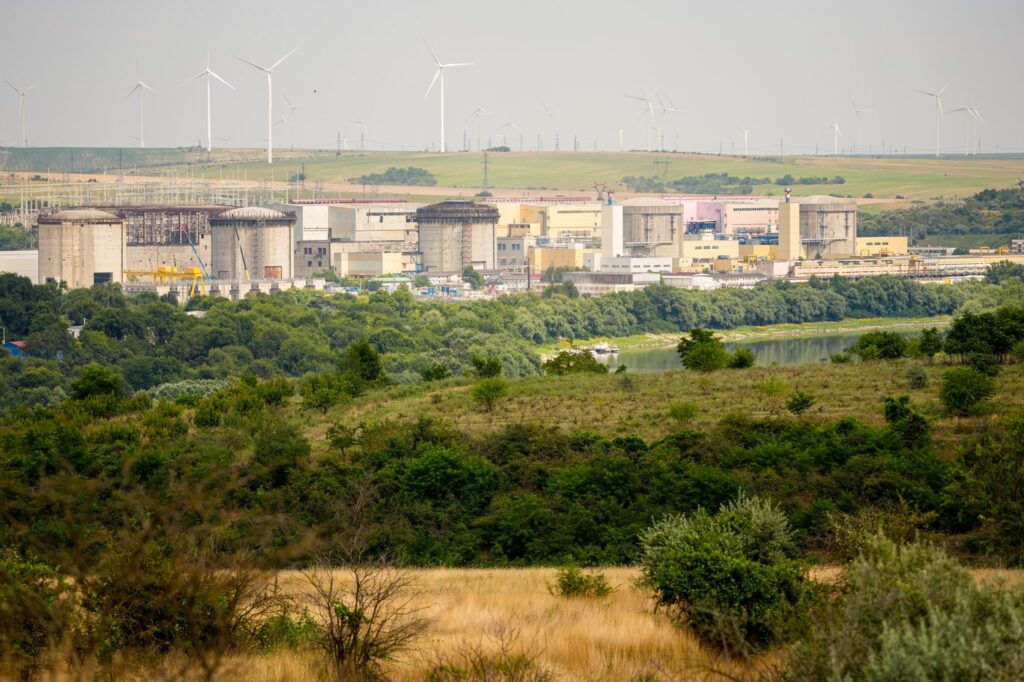
On Thursday, Romania initiated a controlled shutdown of the second reactor at its Cernavoda nuclear power plant due to the ongoing severe drought affecting the continent. The Cernavoda plant, which contributes approximately 20% of Romania's electricity production, relies significantly on river water for cooling its two reactors. Recent scorching heat and insufficient rainfall have caused the Danube River to reach record low levels, forcing the shutdown of the plant's first reactor in late July.
The operator of the Cernavoda plant, Nuclearelectrica, issued a statement indicating that the decision to shut down Unit 2 was prompted by the substantial decrease in the Danube River's water level. The plant's operational capacity is deeply intertwined with the river's health, making it vulnerable to environmental conditions.
In a bid to address the impending electricity supply challenges resulting from this shutdown, Romania's Ministry of Energy reassured the public that the country's electricity demand would be adequately met by alternative sources and imports. This confidence comes after a nationwide state of alert in the energy sector was declared by acting Prime Minister Ilie Bolojan on July 31, aiming to galvanize efforts to prevent a further shutdown at Cernavoda.
To mitigate the situation, Romanian authorities undertook unprecedented measures to maintain water levels around the plant. Last week, military personnel began operations to sink four barges loaded with rock near the Danube’s Bala Canal. These barges, blasted from the riverbed, were intended to create an underwater barrier designed to redirect the river’s flow towards the Cernavoda facility. However, despite these efforts, the water levels of the Danube ultimately fell below the threshold necessary for the safe operation of the reactor.
Nuclearelectrica affirmed that maintaining both reactors in a safe shutdown state does not compromise nuclear safety, including the well-being of personnel, the environment, and surrounding communities. This assurance aims to address public concern during a period of heightened energy scrutiny.
As Romania navigates these challenges, neighboring Hungary is also taking proactive measures to secure its own nuclear power needs. The Hungarian authorities are planning initiatives, including the sinking of barges and constructing a bed sill, in an effort to raise the Danube’s water levels. This is critical for Hungary’s Paks Nuclear Power Plant, which faces the risk of shutting down for the first time in its 44-year operation history due to similar drought-related water constraints.
The implications of this drought extend beyond Romania, highlighting the vulnerability of nuclear energy facilities in the face of climate extremities. As both nations respond to this climatic challenge, the regional dependency on water sources for energy production underlines the urgent need for sustainable practices and contingency planning in the energy sector.








