

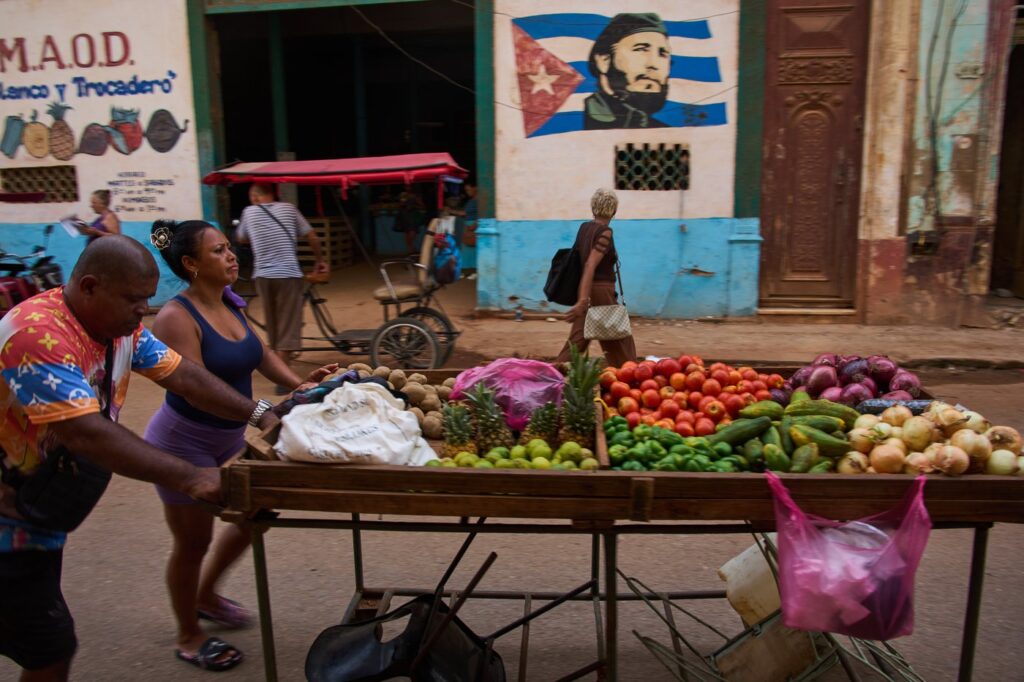
Fidel Castro would have celebrated his 100th birthday on Thursday, and his longstanding influence continues to be felt in Cuba. Some Cubans revere him, particularly in light of ongoing challenges posed by a crippling U.S. energy blockade, while others blame him for establishing a system that has led to the island's current crisis.
This week, Cuba held various events to commemorate Castro, including the International Book Fair, art exhibitions, concerts, and gatherings of delegates from leftist organizations throughout the continent. His image remains prevalent, with posters in hospitals and billboards showcasing his famous slogans, such as "Homeland or Death," making his presence known in daily Cuban life.
Writer and essayist Miguel Barnet reflected on Castro's legacy, stating, “I believe he leaves Cuba a legacy of dignity, morality, tireless work and concern for the poor.” He emphasized that Castro's philosophy was translated into significant policies within cultural, educational, and public health sectors.
However, Castro's centennial arrives amid intensified economic setbacks, exacerbated by the Trump administration’s fuel blockade initiated in January and an array of sanctions aimed at pressuring the Cuban government for political and economic reforms. These measures have deepened a five-year economic crisis that also stems from previous U.S. sanctions and a failed domestic financial overhaul.
For ordinary Cubans, the consequences of these pressures have been significant: extended power outages, fuel and medicine shortages, declines in industrial and tourism activities, flight cancellations, transportation limitations, and reductions in work and school hours. Castro’s governance spanned five decades from 1959 to 2008, and he continued to influence Cuba until his death in 2016.
Argelia Mustelier, a retiree from Old Havana, declared, “Fidel left us everything, everything good that came from Cuba's revolutionary process.” She believes that had he been alive, he would have found ways to bring joy to the nation during these testing times.
From guerrilla campaigns to leading a country
Fidel Castro Ruz was born on August 13, 1926, in eastern Cuba's sugar-producing region. His father, a Spanish immigrant, initially worked for U.S. sugar companies before establishing a successful plantation. After graduating as a lawyer, Castro became politically active.
In 1953, he unsuccessfully led an attack on the Moncada Barracks in Santiago de Cuba in his first attempt to overthrow dictator Fulgencio Batista. Captured and later released, he went into exile in Mexico. Castro returned to Cuba with other rebels, launching a guerrilla campaign that culminated in Batista’s ousting in 1959 and Castro’s ascent to power.
Once in power, Castro implemented radical changes in Cuba, including agrarian reform, a large-scale literacy campaign, and nationalization of private businesses, moving the country onto a path of confrontation with the U.S. He became an emblem of anti-colonial and revolutionary movements across Latin America and beyond, while also igniting fierce opposition from wealthy Cubans who fled to the United States and from others objecting to the Communist Party’s tight grip on political power.
Historian Manuel Cuesta Murúa emphasized Castro's controversial nature, stating, “There was no justification for sacrificing freedoms.” He argued that the suppression of Cuba's political diversity and plurality created lasting divisions that still resonate today.
Among younger Cubans, Castro is recognized as an iconic figure, though his influence feels more distant. Cristian Cohello, a 27-year-old, remarked, “Our generation didn’t experience him as an active leader.” He observed a less visible Fidel, indicating that for the younger population, what remains of his legacy is “nothing; absolutely nothing,” and expressed skepticism regarding leadership changes addressing the island's current struggles, asserting that another Fidel would not solve the issues at hand.








