

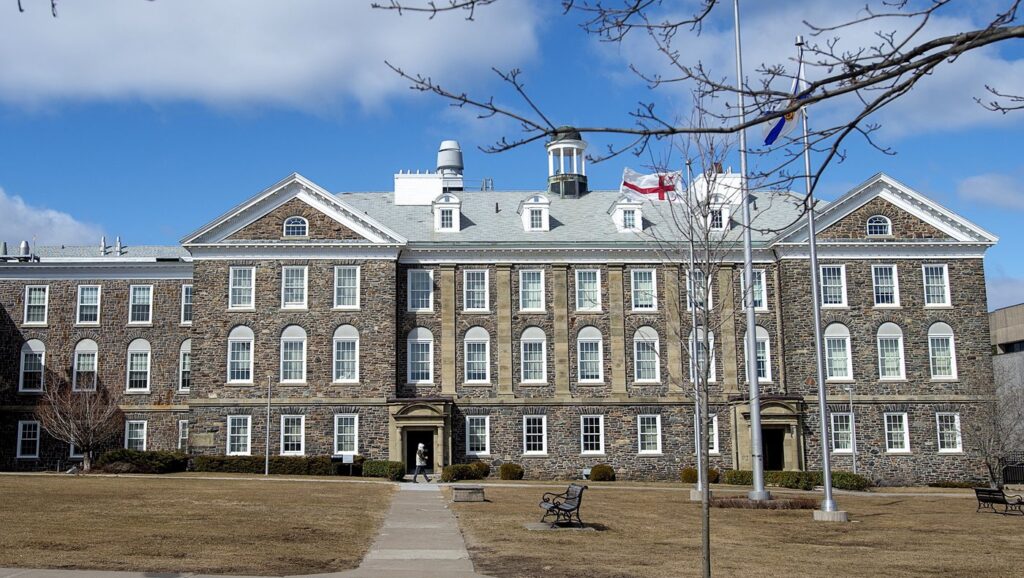
A group representing university teachers in Nova Scotia has expressed significant concern regarding recent legislative changes that grant the government increased control over funding for academic programs. This shift in authority raises questions about the independence of universities in making decisions about their curricula.
In 2026, legislation was passed that ties university funding decisions to the government's social and economic priorities. This new law requires universities to align their academic offerings with these priorities, affecting how programs are financed and evaluated. As a result, all universities in Nova Scotia are currently undertaking a thorough review of their courses and programs, a process that could have substantial financial consequences. If institutions fail to submit their findings to the provincial government by the upcoming fall, they risk facing significant hold-backs in funding, potentially amounting to millions of dollars.
The Association of Nova Scotia University Teachers (ANSUT) is voicing strong objections to these developments. President Mathew Reichertz has articulated concerns that the provincial government could seize this opportunity to eliminate or combine essential programs, particularly those in the arts, including disciplines like English and philosophy. The apprehension stems from fears that academic decisions will be primarily influenced by governmental agendas rather than the educational needs and interests of students and faculty.
This situation has led to a broader discussion about the role of government in higher education and the potential implications for academic freedom in Nova Scotia. Teachers are increasingly worried that as funding becomes more contingent on government assessments of social and economic utility, the diversity and richness of academic programs may be compromised.
On the other hand, the provincial government argues that the alignment of university programs with student demand and labor market requirements is crucial. They maintain that this approach will ensure that graduates possess the skills and knowledge needed to thrive in the evolving job market. The government’s stance reflects a growing trend in higher education, where the focus is shifting towards practicality and employability.
However, this practical approach raises critical questions about the value of a liberal arts education. Critics argue that disciplines such as arts and humanities contribute significantly to a well-rounded education, fostering critical thinking and creativity, traits that are essential in any professional field. The debate centers on balancing the need for economic viability with the cultural and intellectual enrichment that diverse academic programs provide.
As these discussions unfold, the significance of this issue becomes ever more apparent. The future of academic programs in Nova Scotia's universities hangs in the balance, influenced by both governmental priorities and the voices of educators advocating for the importance of maintaining autonomy in academic decision-making. The outcome of the current program reviews could have lasting implications for the landscape of higher education in the province, affecting not just funding, but the academic opportunities available to students.








