

Gas prices have surged once again following a recent stalemate in negotiations between the U.S. and Iran concerning ongoing hostilities. This resurgence in fuel costs comes amid heightened tension as both nations find themselves at an impasse over terms, with tangible impacts on market prices already being observed.
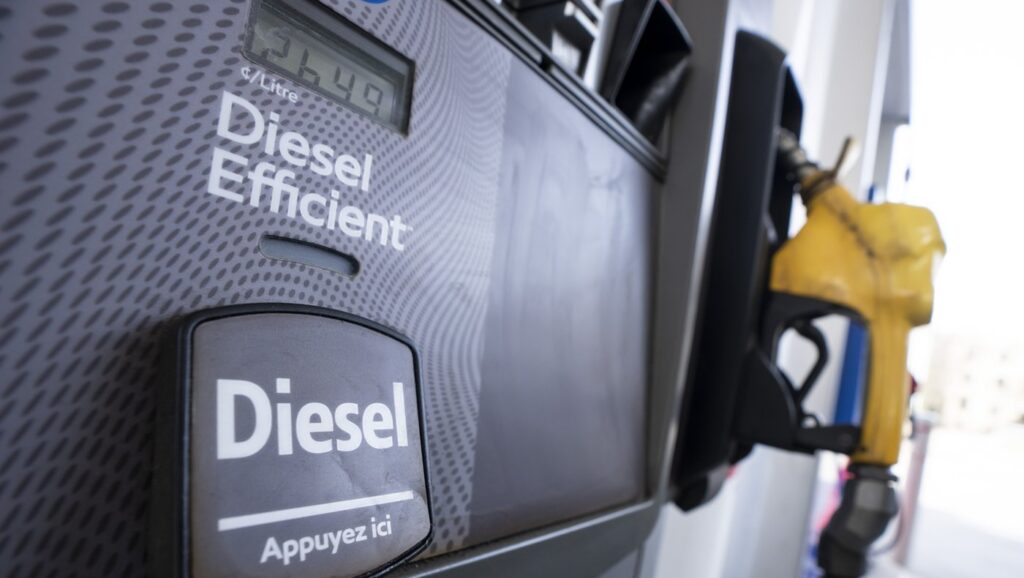
According to the Nova Scotia Energy Board, diesel prices have been particularly affected, increasing by 9.3 cents to reach 238.6 cents per liter as of Friday. This marks an 18.6-cent rise over just the past week, underscoring the volatility of fuel markets that are sensitive to geopolitical developments.
In tandem with the diesel price hike, gasoline prices have also escalated significantly. In the same week, gasoline saw an increase of 10.9 cents, bringing it to 181.4 cents per liter. This simultaneous rise in both diesel and gasoline prices highlights the interconnected nature of fuel costs with international political dynamics.
Stalemate in U.S.-Iran Negotiations
Earlier in the week, President Donald Trump publicly dismissed Iran's recent demand for reparations related to damages from U.S. and Israeli military actions over the past five months. Trump's remarks came after Iranian Foreign Ministry spokesperson Esmail Baghaei asserted that Iran would not consider reopening the strategically crucial Strait of Hormuz unless the United States fulfills its preconditions.
According to Iranian officials, the list of demands includes the lifting of U.S. economic sanctions, the cessation of the blockade on Iranian ports, and the release of frozen assets belonging to Iran. Furthermore, they are insisting on compensation for the damages sustained during the conflicts in which the U.S. has been involved.
In a reaction to Iran's stance, Trump indicated that he, too, would be expecting compensation—specifically for the lives lost and injuries sustained by Americans due to attacks allegedly orchestrated by Iranian-backed militants. His statement emphasized a reciprocal expectation for reparations, which he stated should also extend to families of Iranian protesters who have been victims of governmental actions.
"I have instructed my representatives to put this firmly into any, and all, future negotiations," Trump declared, further complicating an already tense negotiation atmosphere. This insistence on compensation from both sides illustrates the deep-rooted conflicts and the inability to find common ground, which has significant repercussions not only on diplomatic relations but also on global economic factors, particularly oil prices.
As it stands, the ongoing discord between the U.S. and Iran continues to create an unstable environment, ultimately affecting consumers who are now seeing rising fuel prices as a direct consequence of these international tensions. The interplay between political negotiations and market responses remains a critical area of observation as the situation unfolds.








