

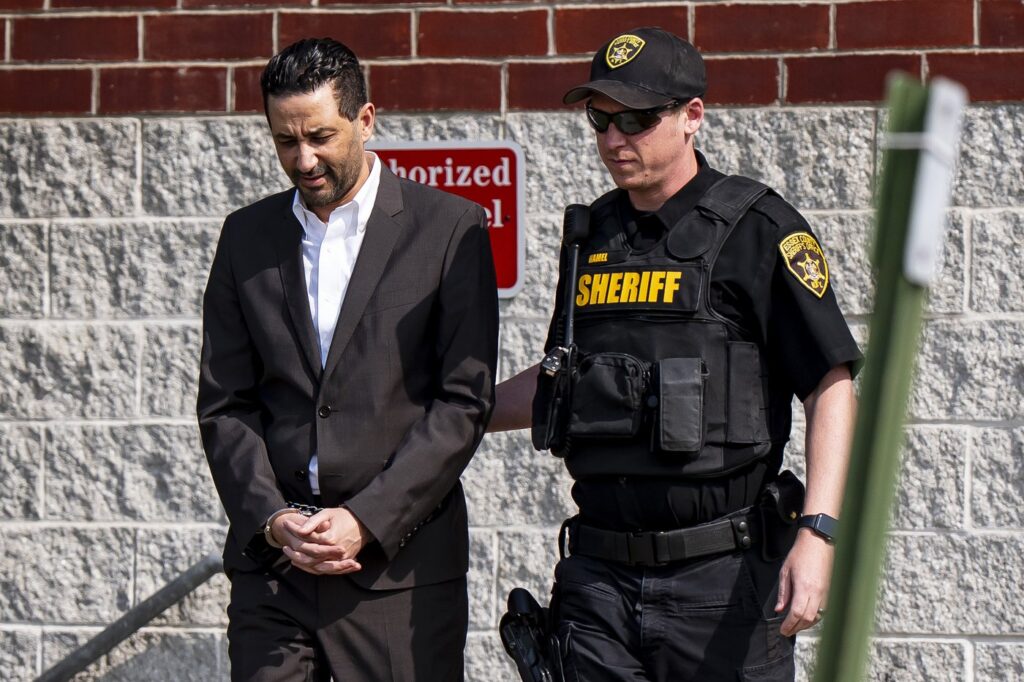
MONTREAL – Luciano Frattolin was found guilty of second-degree murder and concealment of a human corpse in the death of his nine-year-old daughter, Melina Frattolin, on August 10, 2025. The jury rendered their verdict a short time after the defense rested their case, which included only one witness, while Frattolin did not testify. This decision remained uncertain until the final morning of the trial.
Frattolin was convicted by a New York jury for the murder that occurred on July 19, 2025, during a weeklong trip to the United States. The following day, Melina's body was discovered near Ticonderoga, New York, approximately 400 kilometers north of New York City. An autopsy later revealed that the cause of her death was asphyxia due to drowning.
The question of Frattolin's testimony had been a point of discussion throughout the trial. In a private moment with Judge Tatiana Coffinger, shortly after the prosecution rested its case, Frattolin interrupted her while she explained his right to remain silent and the implications of his potential testimony. He expressed trust in the police, indicating his willingness to testify, but ultimately requested more time to decide.
Over the weekend, Judge Coffinger granted him the opportunity to rethink his decision. On the morning of the verdict, she inquired if he intended to take the stand, to which he responded, "I really want to, but I was advised not to." With Frattolin’s testimony officially ruled out, the jury quickly deliberated, returning a guilty verdict after only one hour.
Even though Frattolin did not testify, the jury was exposed to his account through police recordings, where he alleged that his daughter had been kidnapped by two men in a white van. Frattolin even suggested that Melina's mother could have orchestrated the kidnapping, a theory that police deemed "far-fetched." His statements were inconsistent, with numerous contradictions emerging as officers presented new evidence during their interactions.
Upon receiving the guilty verdict, Frattolin remained silent, visibly shaking his head while standing alongside his two lawyers. The prosecution, led by Essex County District Attorney Michael Langey, successfully fulfilled their burden to prove Frattolin’s guilt beyond a reasonable doubt by presenting over two dozen witnesses over a three-week trial. Crucial evidence included location data from Frattolin's phone and car, which played a significant role in locating Melina's body and substantiating the case against him.
Langey noted that he had prepared for the eventuality of cross-examining Frattolin, stating, "I don’t want to say I was looking forward to it, but... we were ready for it." Meanwhile, Frattolin's defense team made several attempts to dismiss the case during the trial. Defense attorney Brian Pilatzke argued that the prosecution failed to demonstrate that Frattolin was the perpetrator with the intent to kill Melina and conceal her body.
First Assistant District Attorney Carrie Daly acknowledged that the evidence presented was circumstantial but contended that it substantially indicated Frattolin's involvement. She referenced notes found in Frattolin’s car, some of which hinted at taking Melina "to end" her suffering, to illustrate intent to commit murder.
Judge Coffinger ultimately denied the defense's motions to dismiss the case, asserting the evidence warranted jury deliberation. On August 6, she also ruled on the admissibility of a video sent by Melina to her mother shortly before her death, which the defense opposed on the grounds that it would unduly influence the jury's emotions. The prosecution was allowed to present the video without sound, showing Melina playing with her hair and smiling.
This case has raised complex questions surrounding parental trust, evidence interpretation, and the factors influencing witness testimonies in legal proceedings.








