

In St. Paul, Minnesota, Kelly Rand’s teenage twin boys are experiencing growth spurts, necessitating the frequent purchase of new hockey equipment. The cost of gear has skyrocketed; for instance, a goaltender’s helmet that was $400 in 2022 now costs $1,000, while a chest protector that previously cost $465 has jumped to $900. This inflation in costs is exacerbated by a recent round of 50 percent tariffs imposed by President Donald Trump's administration on Canadian goods, which particularly affect hockey-related equipment.
Rand expressed the financial strain felt by families when a hockey stick breaks on the ice, noting that the average stick now costs $200, with premium versions reaching $400. Hockey sticks and skates are included in the over 550 goods that the tariffs affect, emphasizing that custom equipment is largely manufactured in Canada. According to John Merola, Director of E-commerce at B&R Sports, items like goalie gear and skates fall into this import category.
Despite the rising costs, the sport of hockey is enjoying increased popularity. The Sports & Fitness Industry Association reported that expenditures on hockey equipment rose by 45.4 percent from 2020 to 2025, climbing from $228.9 million to $332.9 million as more participants join the sport. However, rising prices may dissuade some families from enrolling their children in hockey due to the financial burden. Chris Douglas, an economics professor at the University of Michigan-Flint, underscored the potential impact of price increases by stating, “maybe there’s a family right on the margin where $50 or $100 in additional cost causes them not to enroll their kids at hockey any longer.”
The tariffs on Canadian goods could cause substantial changes in the market. Merola noted that in previous instances, major companies like Bauer and CCM initially absorbed such costs before passing them on to consumers when circumstances did not change. He speculated that a similar approach may delay the impact of current tariffs on retail prices. Canadian Prime Minister Mark Carney mentioned the possibility of resuming trade talks if the United States shows genuine interest in negotiations.
The uncertainty surrounding the duration of the tariffs complicates market predictions. Douglas remarked on the difficulty in establishing expectations in such an unpredictable environment, suggesting that if tariffs appear permanent, prices would likely rise significantly to cover increased production costs. Some manufacturers may respond by relocating production to the U.S. or other regions to mitigate the financial impact of these tariffs.
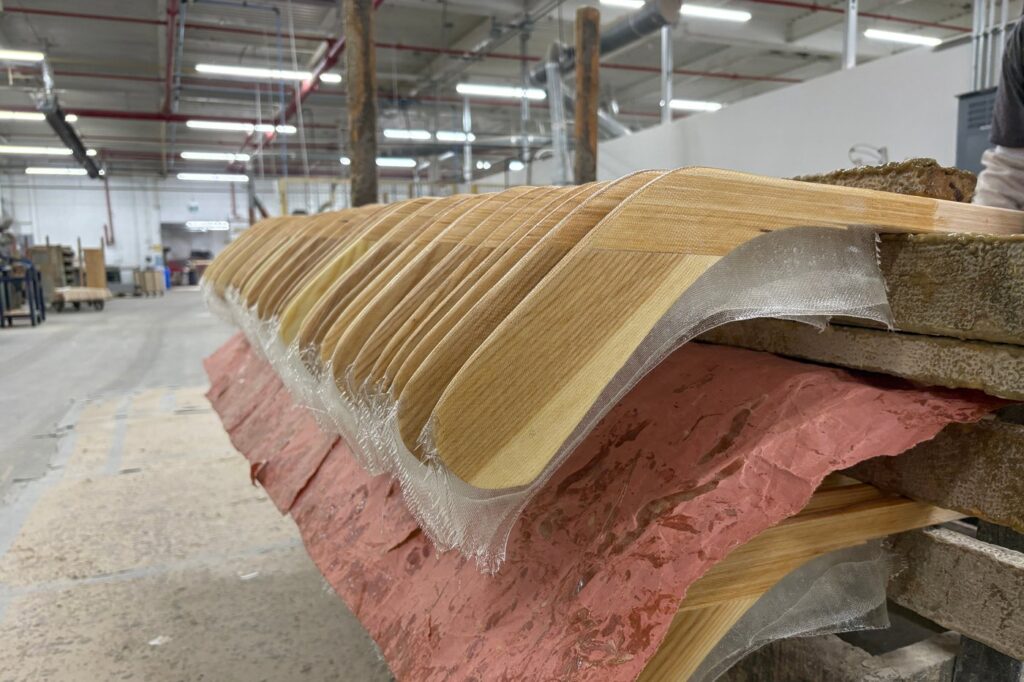
The situation also sees resistance from industry leaders. Roustan Hockey, the last major hockey stick factory in Canada, has reaffirmed its commitment to maintaining operations in Canada despite the challenges posed by tariffs. The Sports & Fitness Industry Association is pressing for the removal of these tariffs, particularly because of a 7 percent increase in hockey participation in the U.S. over the last three years, a growth attributed to various promotional initiatives including free equipment and ice time programs.
As the industry grapples with these tariff-related challenges, there are concerns that rising costs may hinder the growth of youth participation in hockey, presenting a serious obstacle at a time when the sport is experiencing a surge in popularity. Industry leaders are worried that new tariffs may come at the worst possible time for the expansion of the sport.








