

The Canadian federal government is taking significant steps to enhance access to HIV prevention by distributing 80,000 HIV self-test kits nationwide. This initiative aims to make testing more accessible and to reduce the stigma associated with the HIV diagnosis, enabling individuals to know their status more easily and to seek the necessary care and support.
On Thursday, Manitoba Liberal MP Doug Eyolfson emphasized the importance of the initiative, noting that "HIV is a manageable condition" and that those living with HIV should have the opportunity to lead healthy, fulfilling lives without facing stigma or discrimination. The federal government has allocated a total of $5 million towards this endeavor, consisting of $2 million earmarked for the self-tests, and $3 million dedicated to hiring peer-based support workers in communities most impacted by HIV.
In 2024, Canada reported 2,300 new HIV diagnoses, with an estimated 7,000 individuals unaware of their infection. HIV, which stands for human immunodeficiency virus, targets the immune system, and, if left untreated, can progress to AIDS, a condition that poses serious health risks. By providing self-test kits, advocates believe that barriers—including geographic and racial disparities—that deter individuals from seeking assistance can be mitigated.
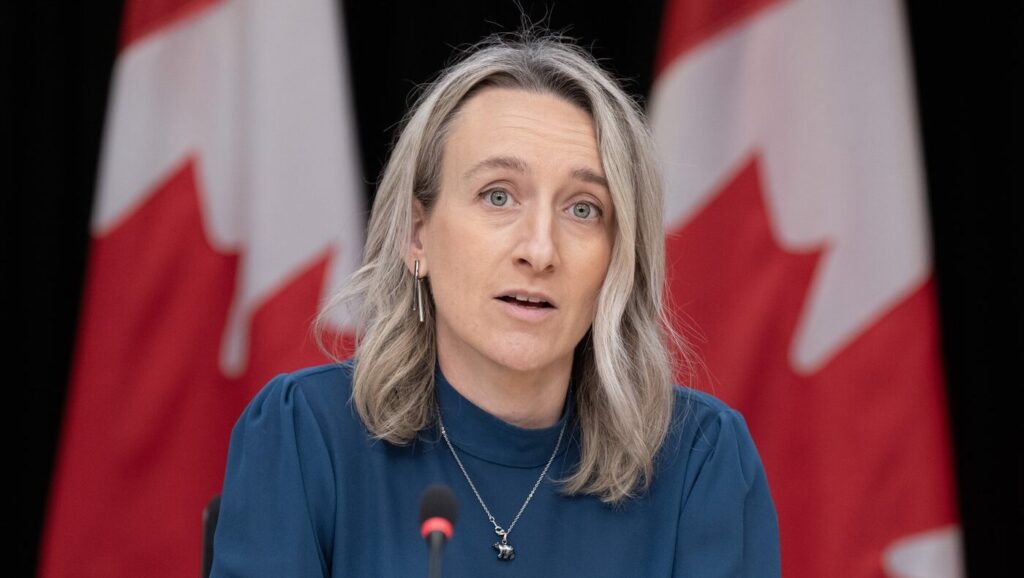
A distribution plan is underway, with a focus on underserved communities. Dr. Joss Reimer, Canada's chief public health officer, indicated that priority would be given to organizations serving Indigenous populations, men who have sex with men, Black communities, other racialized groups, and people who inject drugs. The Manitoba Harm Reduction Network, an advocacy organization focused on minimizing the spread of sexually transmitted and blood-borne infections, acknowledged that while self-tests are a positive advancement, further support is essential to ensure individuals receive dignified care following their results.
The situation in Manitoba is particularly severe, with the province declaring a public health emergency due to HIV rates that are believed to be three times higher than the national average. In 2024, the reported rate in Manitoba was 19.5 cases per 100,000 residents, which is significantly higher than the national rate of approximately 6.5. The province has seen a concerning rise in new cases over the last six years, reporting 328 new diagnoses in the previous year compared to just 90 in 2019. This alarming trend has prompted local authorities to request additional support from the federal government to combat the escalating rates of HIV in the region.
Uzoma Asagwara, Manitoba's health minister, described the recent funding announcement as a "big step" in addressing the HIV crisis while continuing to seek further investments. In addition, advocacy group CATIE welcomed the federal funding, viewing it as a crucial move toward achieving Canada's commitment to eliminate HIV as a public health issue by 2030. Jody Jollimore, executive director of CATIE, pointed out the significant challenge faced by community-based workers in light of a 23 percent increase in estimated HIV infections, emphasizing the necessity for ongoing and long-term dedication to address the epidemic effectively.








