

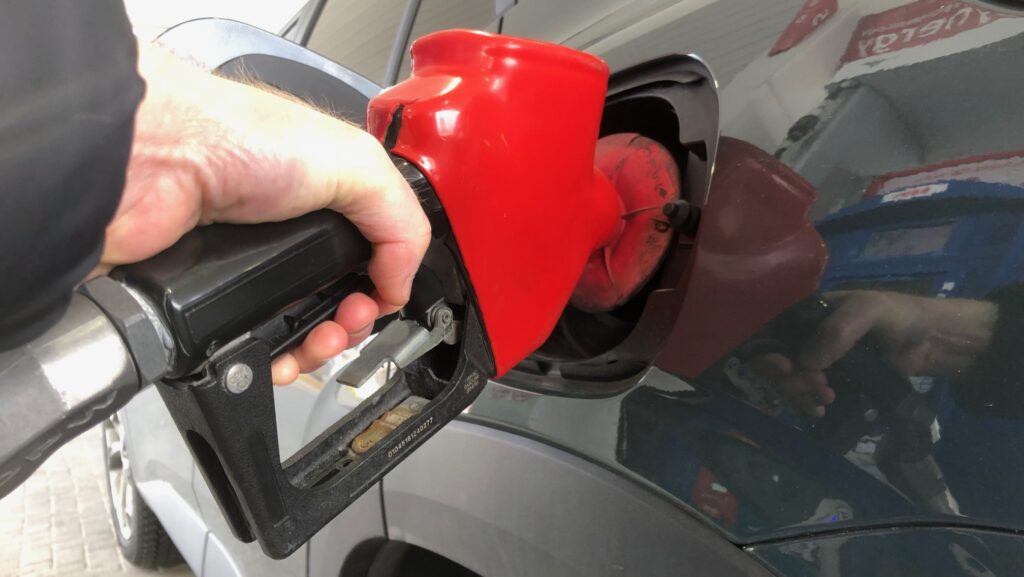
On Saturday, September 12, the Nova Scotia Energy Board invoked an interrupter clause resulting in a significant increase in diesel prices across the province, climbing nearly 15 cents per litre. This adjustment reflects the ongoing volatility in global oil markets, which has been exacerbated by geopolitical tensions.
In contrast, gas prices in Nova Scotia remained stable as of 12:01 a.m. on the same day, unaffected by the recent changes in diesel costs. Currently, diesel fuel prices range from 267.2 to 270.2 cents per litre at gas stations within Halifax, reflecting a marked increase that is concerning for consumers and businesses alike.
Fluctuating Prices Due to Iran War
The upward trajectory of both gas and diesel prices can be traced back to elevated tensions following the U.S. and Israel's military actions against Iran in February. This conflict has resulted in a sharp decline in crude oil traffic through the critical Strait of Hormuz, with Iran's refusal to reopen this vital waterway contributing to a precarious supply situation. Tom Seng, a professor of energy finance at Texas Christian University, emphasizes that the fluctuations in fuel prices are closely linked to the ongoing situation in Iran.
Seasonally, gas prices typically decline as the summer driving season concludes and refineries shift their production to a less expensive winter blend. However, Seng notes that other complicating factors this year extend beyond just Middle Eastern volatility. U.S. refineries are reportedly operating at full capacity—98 percent—while also facing unique challenges posed by the unusually harsh heat conditions prevalent in Texas. Any failures in these operations or disruptions caused by hurricanes could hinder the expected decline in prices.
Moreover, the situation is not solely confined to the Middle East. Diesel supplies are also being squeezed by Ukrainian drone strikes targeting Russian refineries, which adds another layer of uncertainty to the supply chain. Additionally, Chinese refiners are experiencing reduced output, as reported by Matthew Metzgar, a clinical professor of economics at UNC Charlotte. This interconnected web of challenges contributes to the unpredictability of fuel prices in the near future.
The recent spike in diesel prices in Nova Scotia follows a period of relief for consumers, as both diesel and gas saw price reductions during the standard price adjustment on Friday, September 11. Thus, the recent increase is particularly jarring for those who were expecting a continuation of lower prices.
With these ongoing developments, it is crucial for consumers and industry stakeholders to remain informed about the dynamic nature of fuel pricing, as geopolitical factors, operational challenges, and seasonal trends continue to play significant roles in shaping market behavior.








